24/7 Emergency Response, Tulsa Metro
Biohazard Cleanup in Oklahoma
Someone just died in a home in Tulsa County. Blood has soaked through the carpet into the subfloor. The medical examiner has released the scene, and now the family is standing in the doorway, wondering who handles what comes next.
That is where biohazard cleanup begins.
What We Clean Up
Biohazard Cleanup Services in Oklahoma
Fourteen specialized services, one standard: containment, removal, disinfection, and scientific verification on every job.
What Biohazard Cleanup Actually Involves
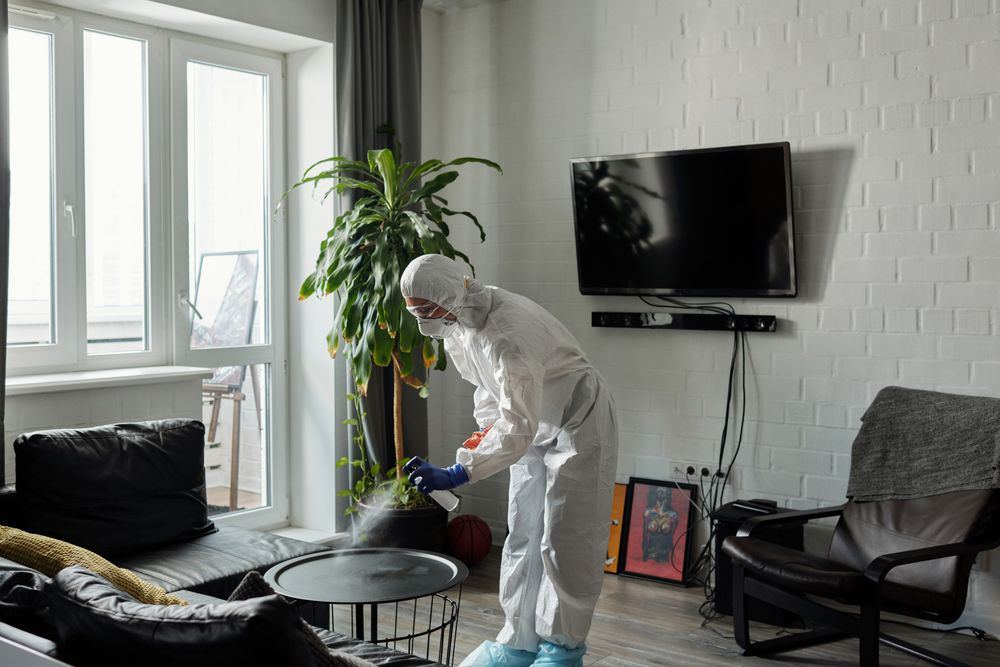
Biohazard remediation is the process of removing biological material, blood, bodily fluids, tissue, and other pathogen-carrying substances, from a property after a death, injury, or contamination event. This is not standard cleaning. A household disinfectant cannot neutralize bloodborne pathogens like Hepatitis B, Hepatitis C, or HIV that survive on surfaces for days.
The work follows the Occupational Safety and Health Administration’s Bloodborne Pathogen Standard (29 CFR 1910.1030), which governs how biohazardous material is handled, contained, and disposed of. Every surface that came into contact with biological matter is cleaned with EPA-registered hospital-grade disinfectants, then verified using ATP bioluminescence testing, a method that measures organic residue at the molecular level.
Material that cannot be decontaminated, carpet padding, sections of drywall, insulation, is removed, double-bagged in regulated medical waste containers, and transported to a permitted disposal facility under a documented waste manifest.
Situations That Require Biohazard Cleanup in Oklahoma
Crime Scene and Trauma Scene Decontamination
After law enforcement and the Oklahoma State Bureau of Investigation release a crime scene, the biological evidence left behind becomes the property owner’s responsibility. Homicide scenes, aggravated assaults, and other violent incidents leave blood spatter on walls, ceilings, and flooring that penetrates porous materials within hours. We respond to crime scenes across Tulsa, Broken Arrow, Owasso, and every city in our service area.
We decontaminate the entire affected area, not just what is visible. Presumptive blood detection methods identify contamination that has migrated behind baseboards, under door frames, and into HVAC return vents.
Unattended Death and Decomposition Cleanup
The Oklahoma Office of the Chief Medical Examiner handles death investigations statewide. Once they release a scene involving an unattended death, decomposition byproducts, including putrescine, cadaverine, and liquefied tissue, have often saturated flooring, subflooring, and structural members.
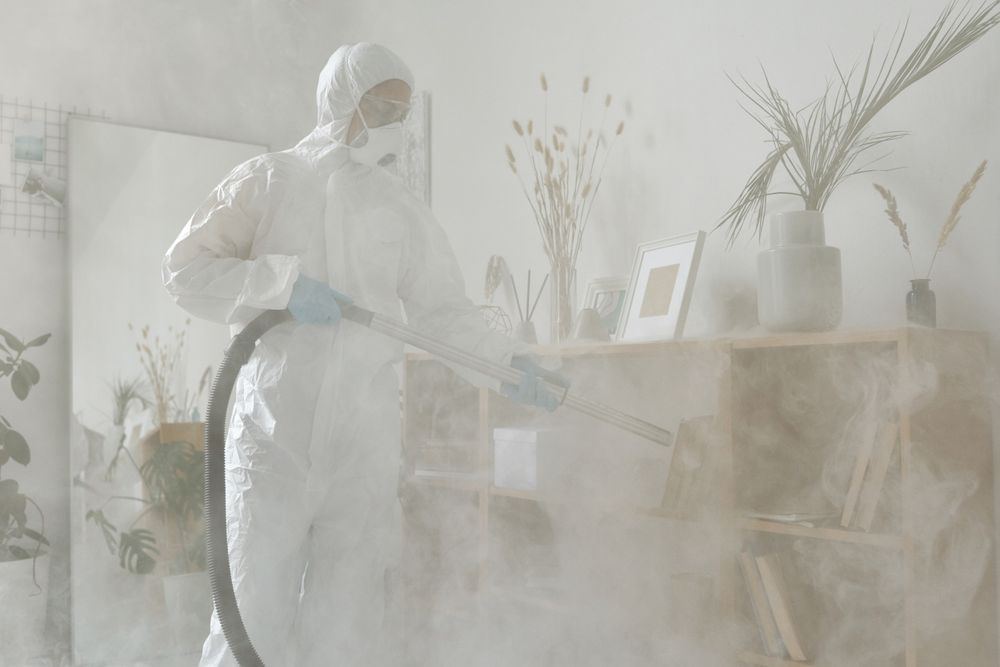
In Oklahoma’s summer heat, where temperatures regularly exceed 100°F, decomposition accelerates rapidly. A body undiscovered for 48 hours in a Tulsa apartment in July produces contamination that a body in January would take two weeks to reach. Our unattended death cleanup protocol accounts for this: thermal fogging, hydroxyl generators, and enzymatic treatments target decomposition compounds at the molecular level.
Suicide Cleanup
Every suicide scene is handled with absolute discretion. Unmarked vehicles. No uniforms that identify the nature of the work to neighbors. The emotional weight on the family is already unbearable, our only job is to make the space safe again without adding to that burden.
Oklahoma’s 988 Suicide and Crisis Lifeline connects individuals in crisis with trained counselors.
Hoarding Remediation
Hoarding situations in Oklahoma frequently involve biohazardous conditions, accumulated human or animal waste, rodent infestations producing hantavirus-carrying droppings, and mold growth behind walls of stacked material. These are not standard junk removal jobs.
We work alongside mental health professionals and Adult Protective Services when needed, approaching every situation without judgment.
Methamphetamine and Drug Contamination
Oklahoma ranks among the top states for methamphetamine-related incidents according to the Oklahoma Bureau of Narcotics. Our meth decontamination follows state guidelines: surface swab testing before and after remediation, removal of contaminated building materials, HVAC cleaning, and post-remediation clearance testing.
Biohazard Odor Elimination
Death odor does not respond to air fresheners, bleach, or ozone machines. We use commercial-grade hydroxyl generators and thermal fogging equipment to break down odor compounds permanently. Masking an odor is not eliminating it.
Service Area
Oklahoma Cities We Serve
Our biohazard cleanup teams respond across the Tulsa metropolitan area and northeast Oklahoma.
Tulsa County: Tulsa, 49 zip codes | Broken Arrow, 74011, 74012, 74013 | Owasso, north along US-169 | Bixby, south of Tulsa | Jenks, Riverwalk district | Sand Springs, toward Keystone Lake | Glenpool, along US-75 | Turley, north Tulsa
Surrounding Counties: Sapulpa, Creek County | Collinsville, north Tulsa County | Skiatook, Osage County border | Catoosa, Rogers County, Route 66
Also serving: Sperry, Oakhurst, Lotsee, Mannford, and Westport.
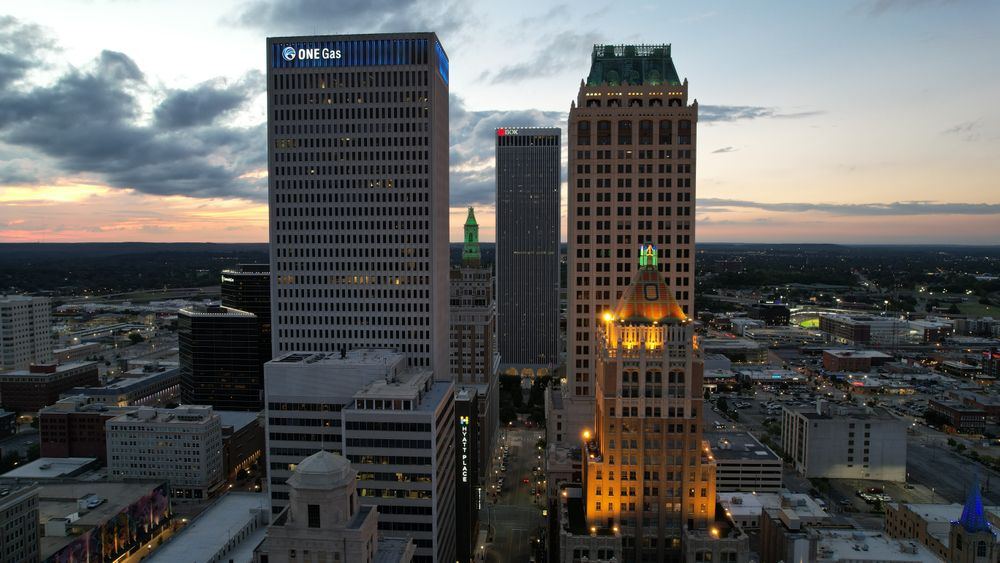 TulsaBiohazard cleanup in Tulsa, Oklahoma
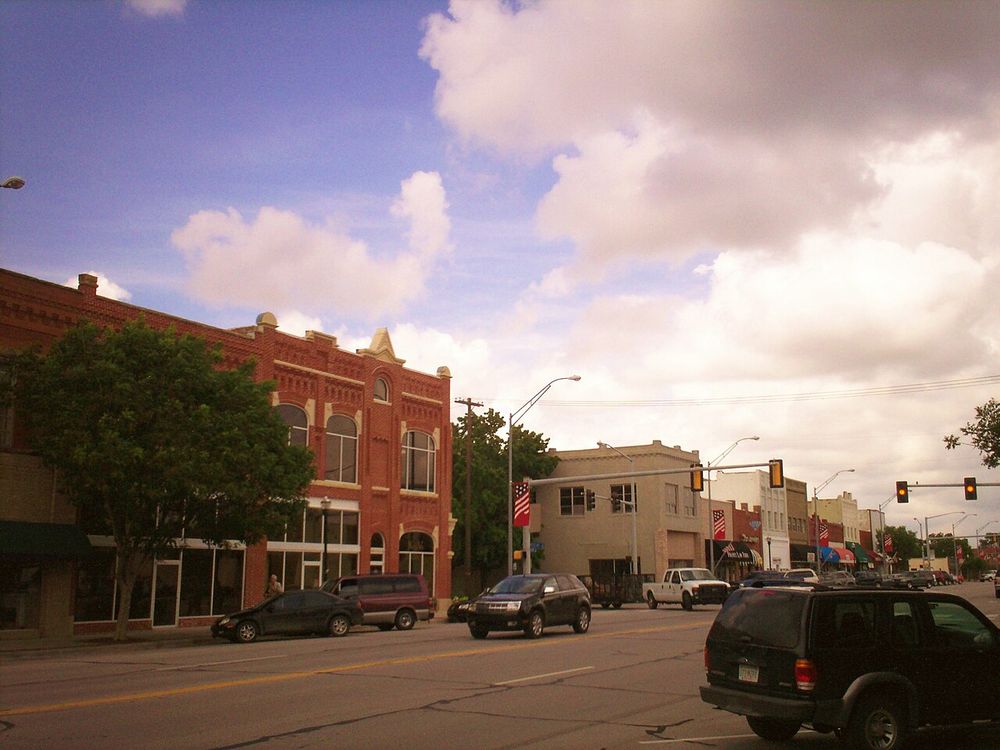 Broken ArrowBiohazard cleanup in Broken Arrow, Oklahoma
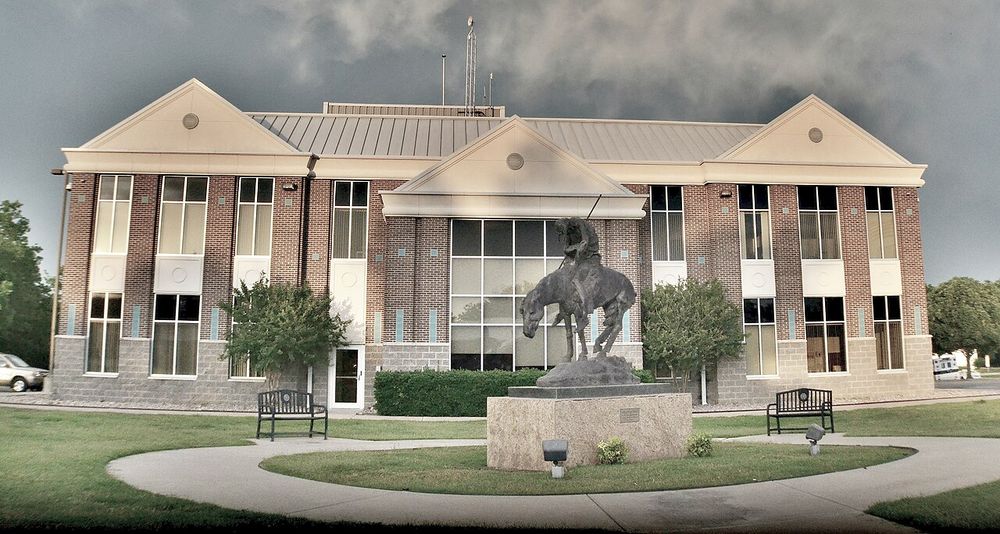 OwassoBiohazard cleanup in Owasso, Oklahoma
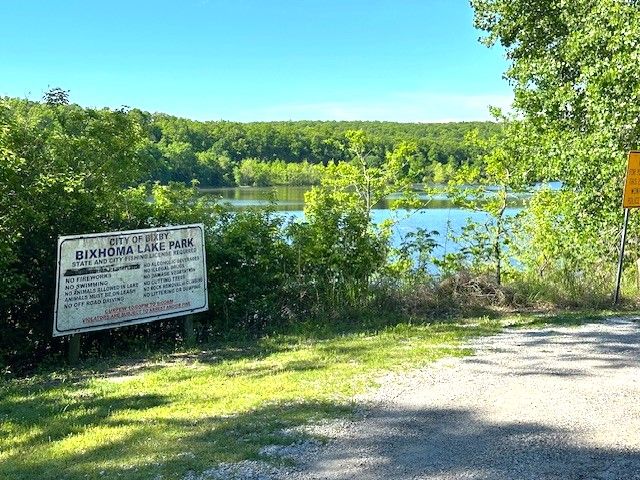 BixbyBiohazard cleanup in Bixby, Oklahoma
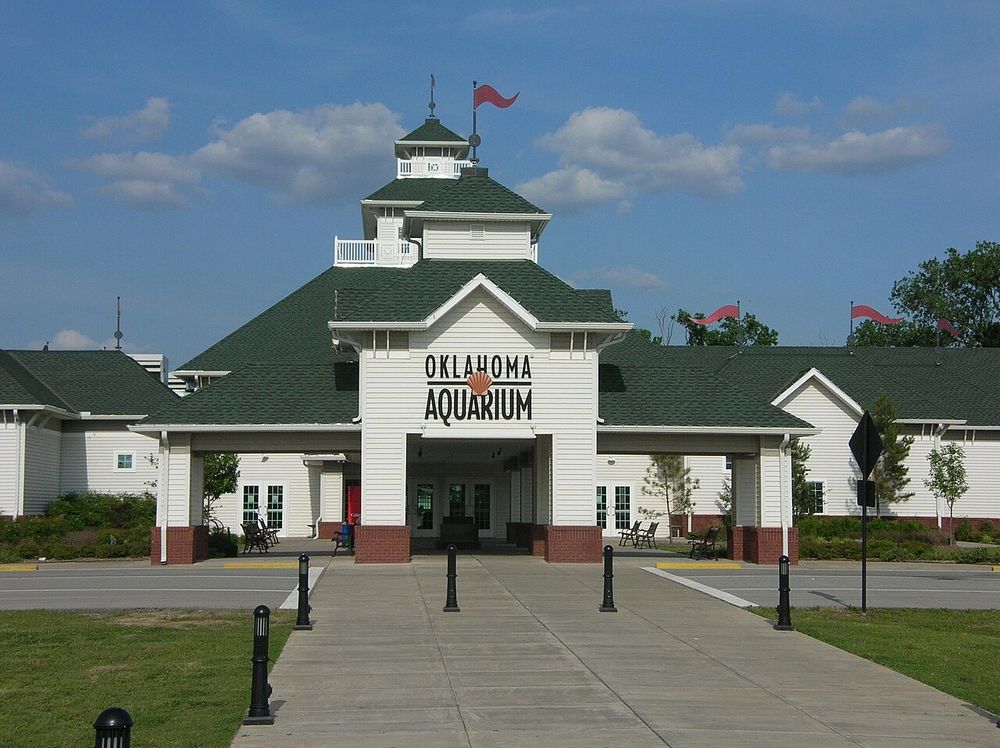 JenksBiohazard cleanup in Jenks, Oklahoma
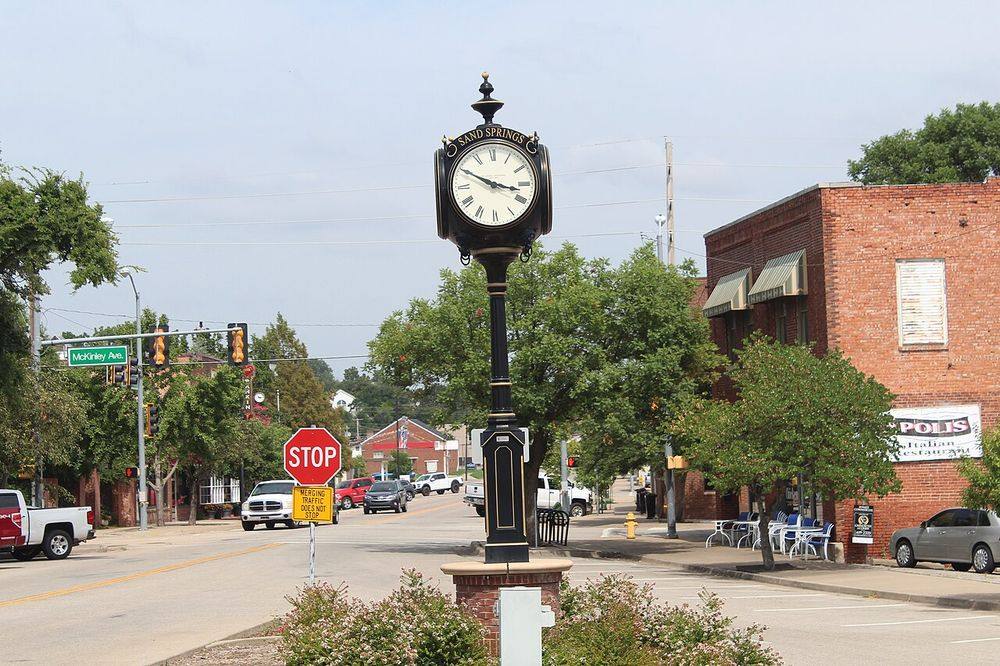 Sand SpringsBiohazard cleanup in Sand Springs, Oklahoma
 SapulpaBiohazard cleanup in Sapulpa, Oklahoma
 GlenpoolBiohazard cleanup in Glenpool, Oklahoma
 TurleyBiohazard cleanup in Turley, Oklahoma
 CollinsvilleBiohazard cleanup in Collinsville, Oklahoma
 SkiatookBiohazard cleanup in Skiatook, Oklahoma
 CatoosaBiohazard cleanup in Catoosa, Oklahoma
How a Biohazard Cleanup Happens
Step 1, You Call, We Assess by Phone. When you call (918) 478-8596, a dispatcher determines crew size, equipment, and response time.
Step 2, On-Site Assessment and Scope. The crew inspects every affected surface. You receive a written scope of work before any work begins.
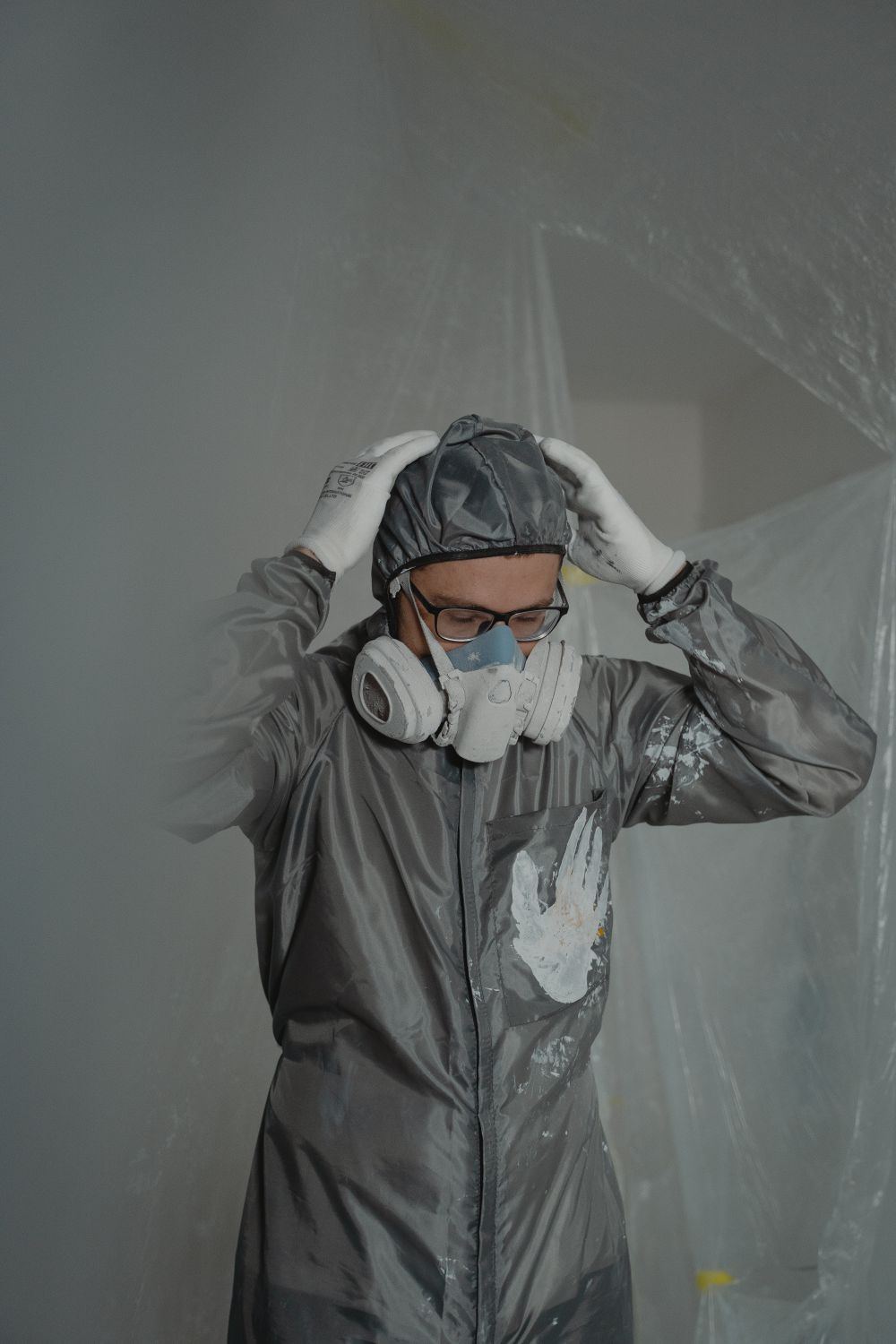
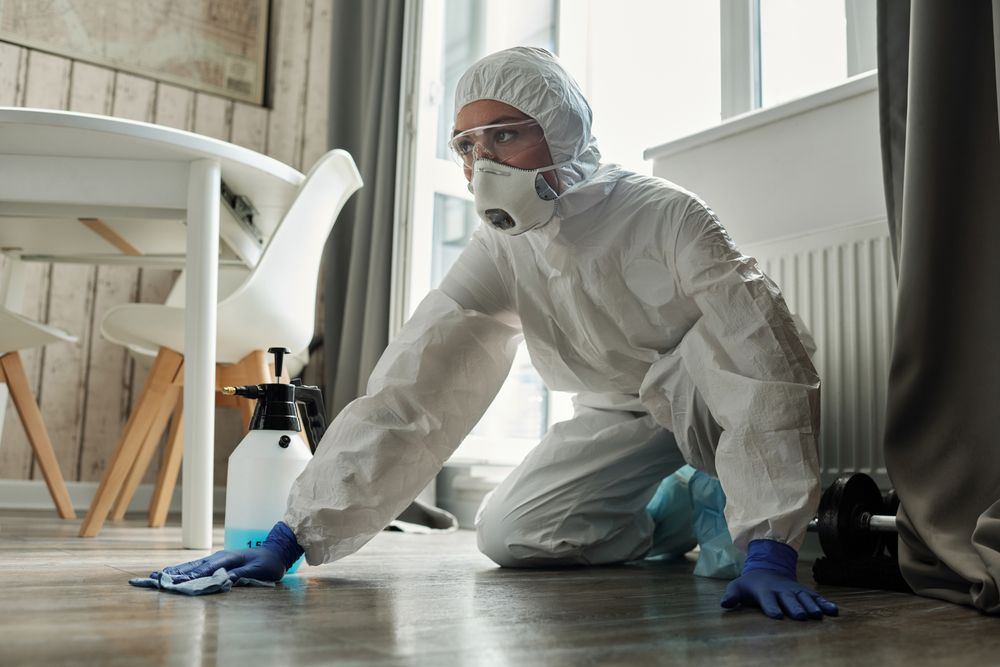
Step 3, Containment and Remediation. HEPA-filtered negative air machines isolate the area. All biohazardous material is removed. Every surface is treated with EPA-registered disinfectants.
Step 4, Verification and Handoff. ATP testing confirms decontamination. You walk through before signing off. Waste manifests become part of your records.
Oklahoma Biohazard Regulations
Oklahoma classifies biohazardous waste as regulated medical waste under the Oklahoma Department of Environmental Quality (DEQ). Any company transporting this waste must hold a valid Oklahoma Solid Waste Transporter Permit.
The Oklahoma Department of Labor enforces OSHA’s Bloodborne Pathogen Standard within the state.
For property owners: Oklahoma law does not require you to disclose a death on the property to future buyers unless directly asked. However, unresolved biohazard contamination can become a liability issue during property transfers.
Financial Assistance for Oklahoma Families
The Oklahoma Crime Victims Compensation Program, administered by the Oklahoma District Attorneys Council, provides financial assistance to victims of violent crime and their families, including reimbursement for cleanup costs.
Many homeowner’s and renter’s insurance policies also cover biohazard remediation. We work directly with your insurance adjuster, providing itemized documentation.
Frequently Asked Questions
Cost depends on the type of incident, the extent of contamination, and the building materials involved. Factors that affect scope include how long the scene went unaddressed, whether biological material reached porous surfaces like subflooring or drywall, and the total affected area. Every situation is different, call (918) 478-8596 for an on-site assessment and a written scope with pricing specific to your property.
Biohazard Cleanup Oklahoma
We answer 24 hours a day.
When you are ready, one call starts the process. A dispatcher assesses your situation and sends a crew.