Pet Odor Removal
You steam-cleaned the carpet three times. You poured baking soda. You bought every enzyme spray at the pet store. The smell faded for a day, then came back, worse on humid afternoons, worst in the room where the dog slept.
Pet urine odor is not a cleaning problem. It is a chemistry problem. And the solution lives beneath the surface you have been cleaning.
Why Pet Odor Keeps Coming Back
Pet urine contains urea, urochrome, uric acid, bacteria, hormones, and ammonia. Standard cleaning products break down the urea and wash away the bacteria. The odor disappears temporarily. Then it returns.
The reason is uric acid. Unlike the water-soluble components of urine, uric acid forms microscopic crystals as it dries. These crystals bond to carpet fibers, padding, and subflooring at the molecular level. They are not water-soluble. They do not respond to vinegar, baking soda, hydrogen peroxide, or standard enzymatic cleaners designed for surface application.
When humidity rises, a rainy Oklahoma afternoon, a steam cleaning session, even body heat from someone sitting on the carpet, moisture reactivates the uric acid crystals. The smell returns stronger than before because the water dissolved the masking agents applied during the last treatment.
This cycle repeats indefinitely until the uric acid crystals are destroyed or the material containing them is removed.
When Pet Odor Becomes a Biohazard
Chronic pet urination from elderly pets, untrained animals, or multi-pet households accumulates contamination that crosses into biohazard territory:
Ammonia concentration. Accumulated cat urine in an enclosed room produces ammonia exceeding OSHA’s permissible exposure limit of 50 parts per million, causing respiratory damage, eye irritation, and chemical burns.
Bacterial contamination. Urine-saturated carpet and padding become breeding environments for bacteria.
Structural damage. Urine reaching the subfloor causes wood rot, plywood delamination, and mold growth invisible from above until the carpet is pulled.
Our Pet Odor Elimination Process
UV blacklight mapping, pet urine fluoresces under ultraviolet light. We map every contaminated area including spots invisible under normal lighting, beneath furniture, behind baseboards, along wall-floor junctions. Common in rental properties across Tulsa, Broken Arrow, Owasso, Jenks, and Bixby where tenant pet damage goes undiscovered until turnover.
Determining contamination depth, we pull back carpet sections to inspect padding and subfloor condition.
Enzymatic treatment or material removal, for contamination limited to carpet and padding, professional-grade enzymatic cleaners targeting uric acid crystals are applied at saturation levels. For contamination that has reached the subfloor, affected carpet and padding are removed. Subfloor receives enzymatic treatment followed by antimicrobial sealer coating.
Odor verification, the space is tested for residual odor under elevated humidity conditions, simulating the worst-case scenario that previously triggered odor return.
Pet Odor Removal Areas We Serve
This service is available in every city below. Choose your city for local response details, community resources, and services in your area.
 TulsaBiohazard cleanup in Tulsa
 Broken ArrowBiohazard cleanup in Broken Arrow
 OwassoBiohazard cleanup in Owasso
 BixbyBiohazard cleanup in Bixby
 JenksBiohazard cleanup in Jenks
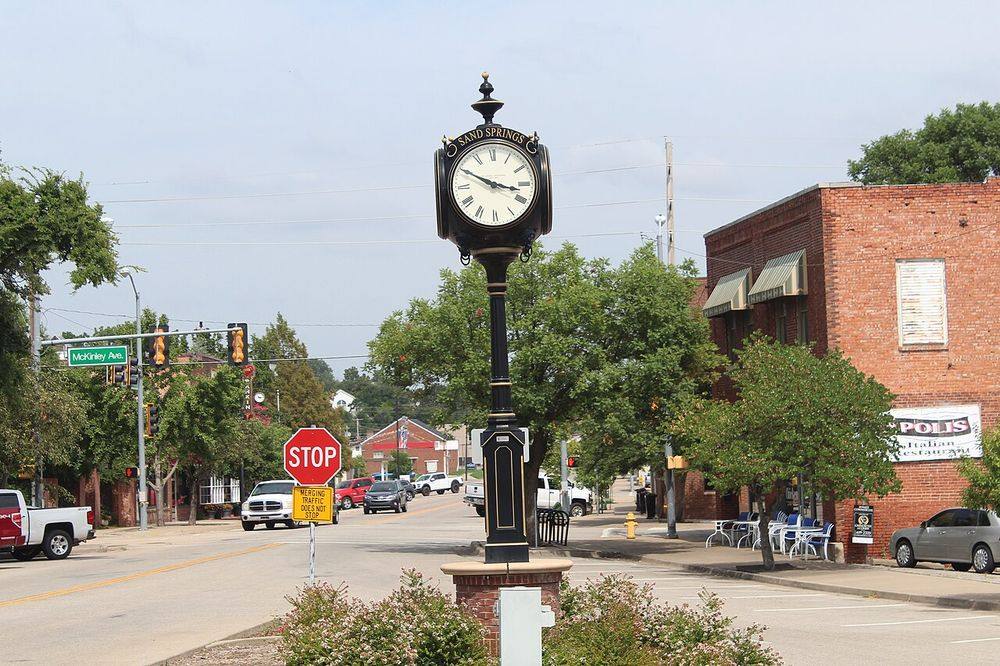 Sand SpringsBiohazard cleanup in Sand Springs
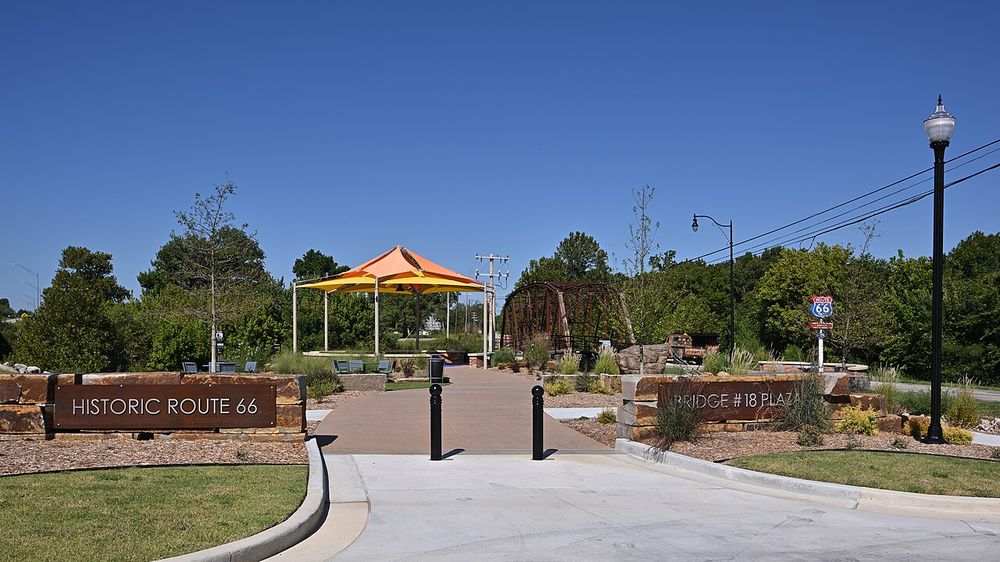 SapulpaBiohazard cleanup in Sapulpa
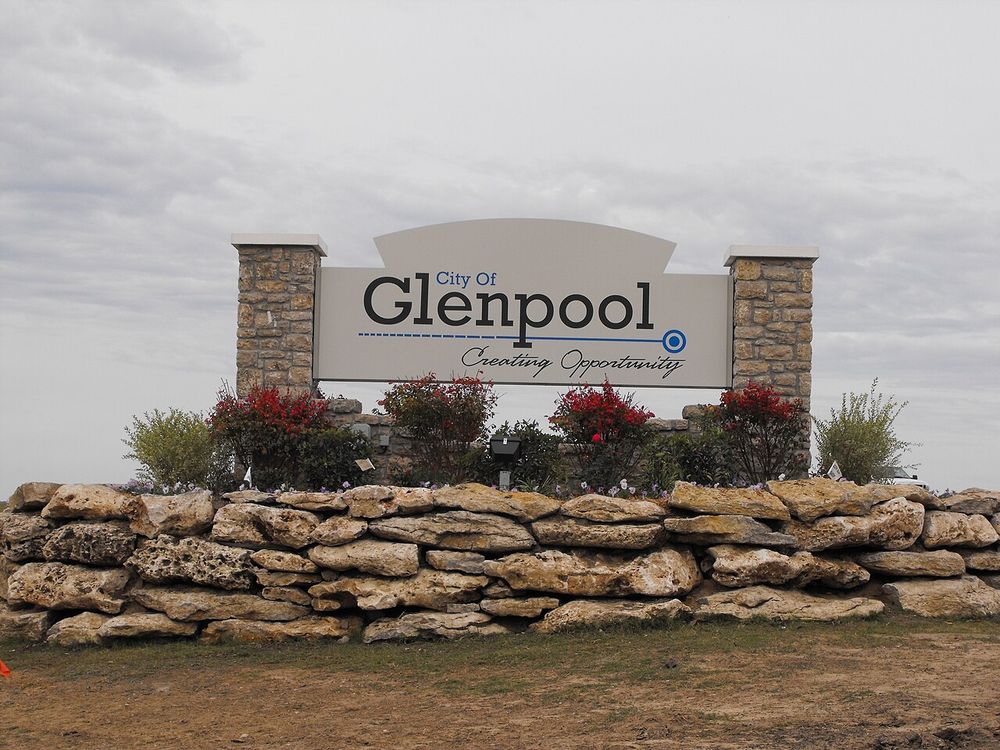 GlenpoolBiohazard cleanup in Glenpool
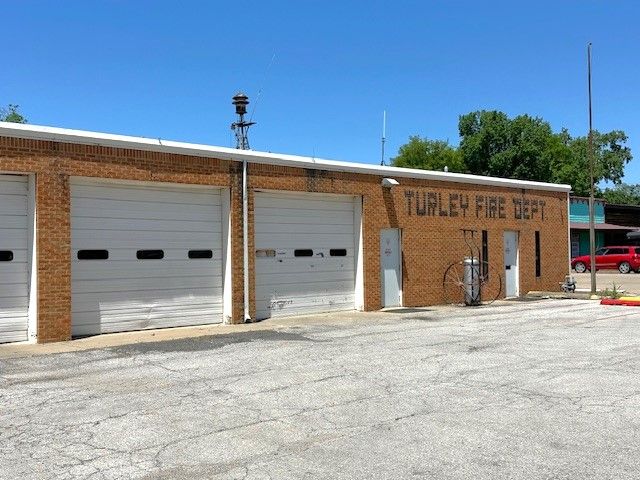 TurleyBiohazard cleanup in Turley
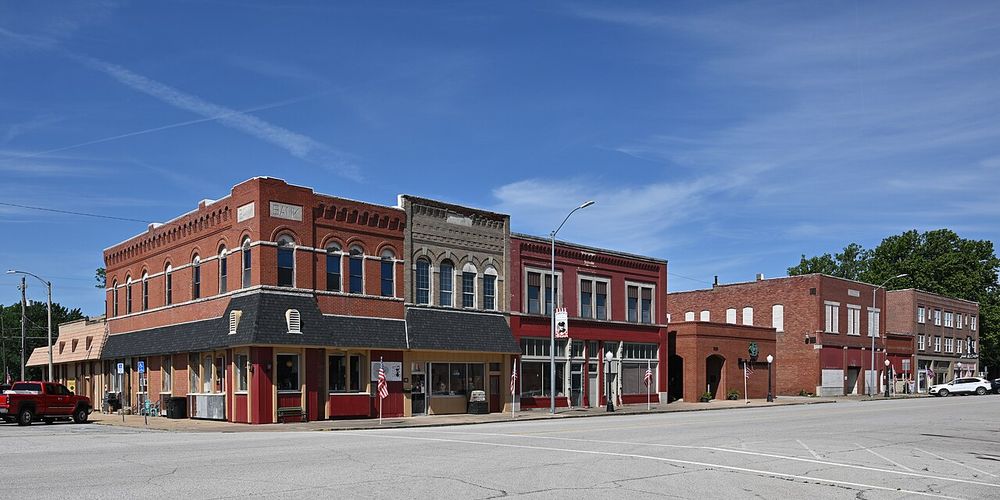 CollinsvilleBiohazard cleanup in Collinsville
 SkiatookBiohazard cleanup in Skiatook
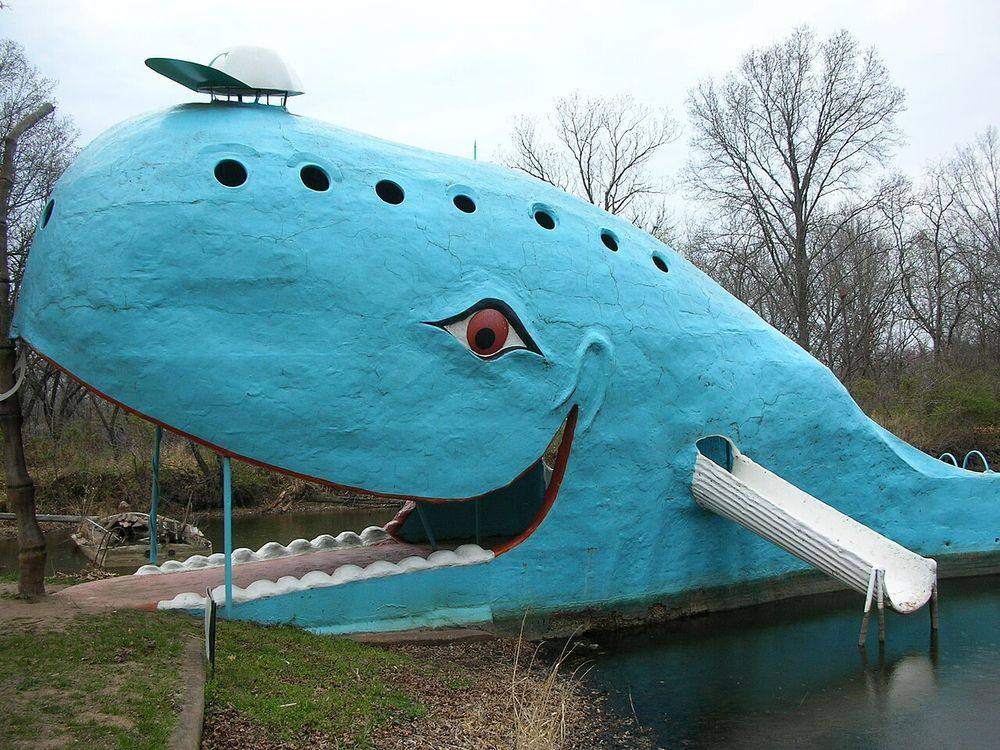 CatoosaBiohazard cleanup in Catoosa
Frequently Asked Questions
Retail enzymatic cleaners are formulated for surface application on fresh stains. They lack the concentration to penetrate carpet backing and padding where uric acid crystals have formed.

Biohazard Cleanup Oklahoma
We answer 24 hours a day.
When you are ready, one call starts the process. A dispatcher assesses your situation and sends a crew.