Hazmat and Human Waste Cleanup
A sewage line backed up into the basement of a rental property in Tulsa. A bedridden individual’s home in Broken Arrow has accumulated months of human waste. A chemical drum was discovered leaking in a commercial storage unit in Sand Springs.
Each of these situations involves hazardous material that standard cleaning companies are not equipped, trained, or legally permitted to handle.
What Qualifies as Hazardous Material Cleanup
Human fecal contamination. Properties in Tulsa, Owasso, Bixby, and throughout the metro where plumbing has failed, occupants are immobile, or hoarding conditions have prevented bathroom use accumulate human waste carrying E. coli, Clostridium difficile, norovirus, and parasitic organisms. Ammonia concentration in confined spaces can reach levels that cause chemical burns to respiratory tissue.
Sewage backup. When municipal sewer lines or private septic systems fail, Category 3 water, classified by the IICRC as grossly contaminated, floods into living spaces. This water contains human waste, industrial chemicals, and microbial pathogens.
Chemical contamination. Abandoned chemical containers, improperly stored industrial materials, clandestine drug manufacturing residue, and spilled petroleum products create environments that require hazmat-level personal protective equipment and specialized disposal.
The Health Risks of Human Waste Exposure
Human feces contains over 100 species of bacteria, viruses, and parasites:
E. coli, causes severe gastrointestinal illness. Certain strains produce toxins that cause kidney failure. Survives on surfaces for days to weeks.
Clostridium difficile, produces spores that resist standard disinfection. Spores survive on surfaces for months. Requires sporicidal disinfectants.
Norovirus, extremely contagious. Fewer than 20 viral particles cause infection. Survives on surfaces for up to two weeks.
The ammonia produced by decomposing urine causes respiratory irritation at concentrations above 25 parts per million and chemical burns above 300 ppm.
How We Handle Hazmat Cleanup
Personal Protective Equipment
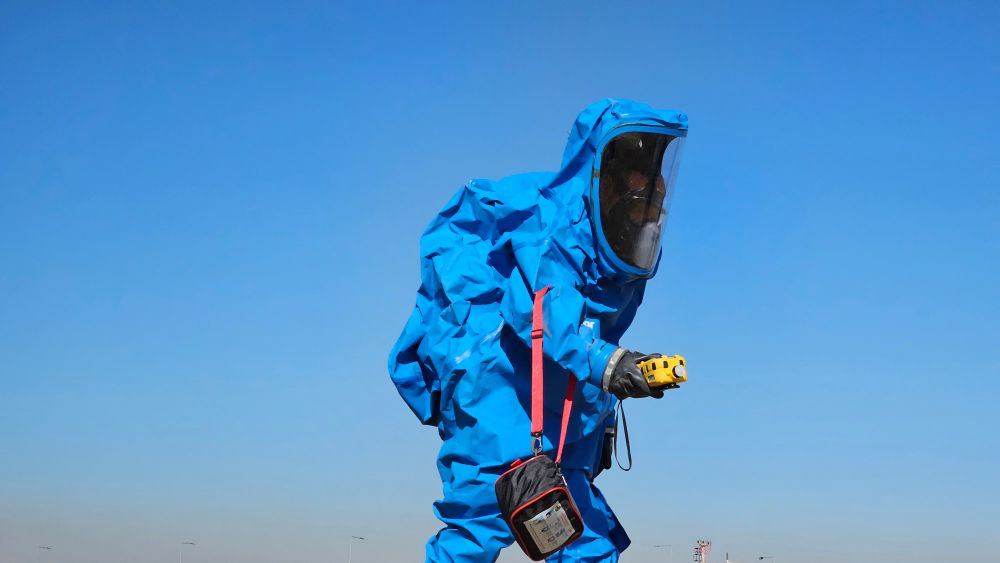
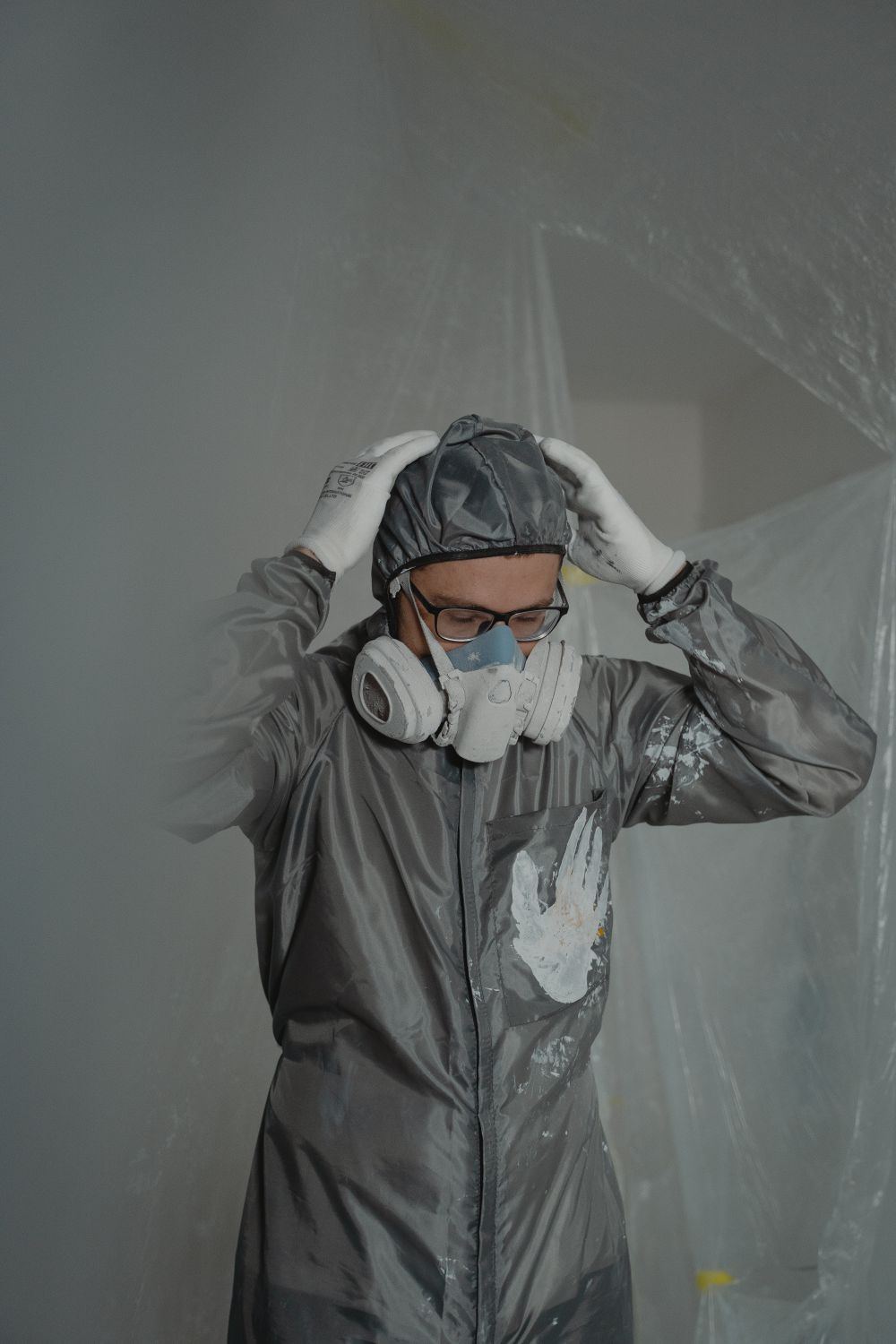
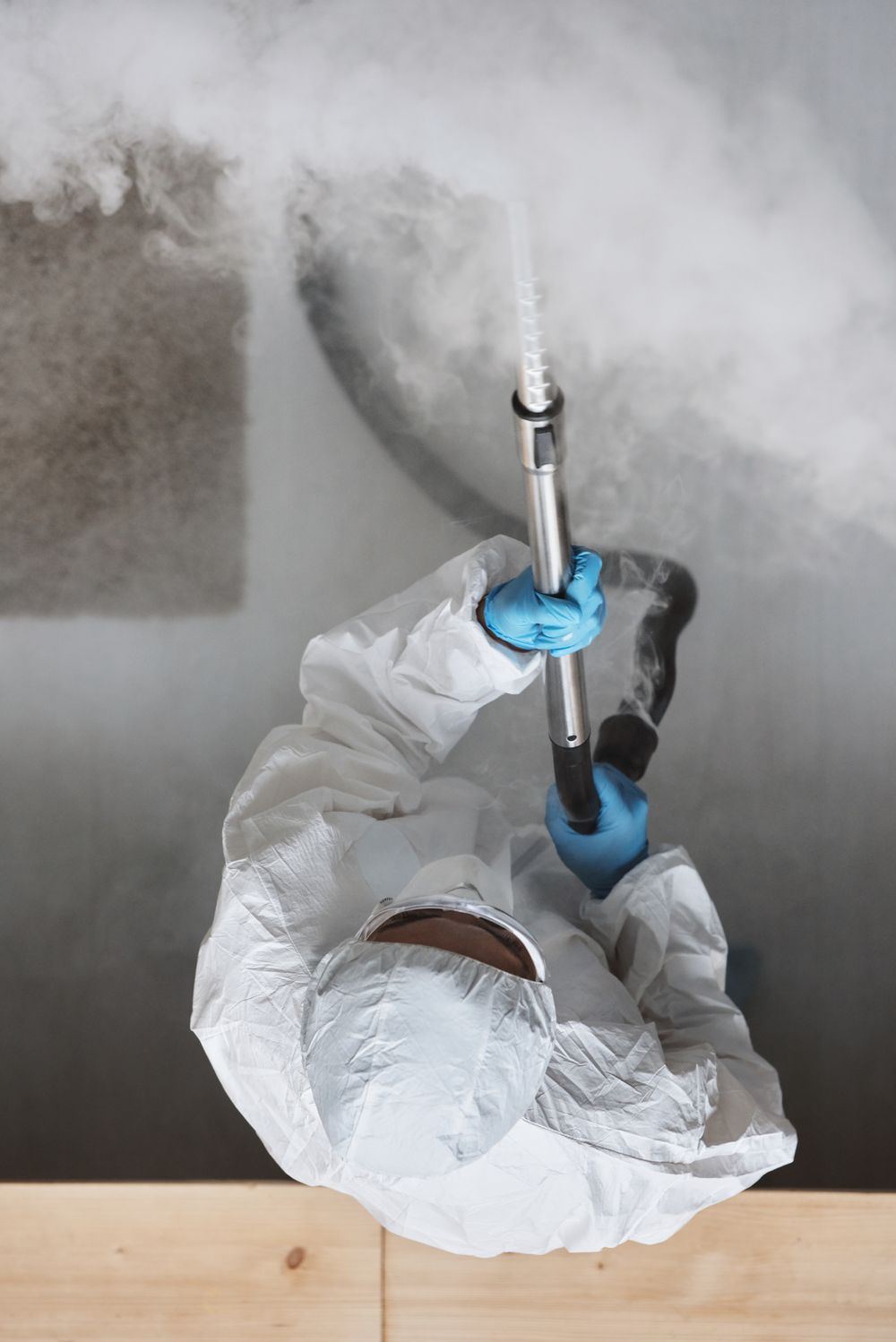
Hazmat cleanup requires Level B or Level C protection depending on the contaminant: chemical-resistant suits, supplied-air or powered air-purifying respirators, chemical-resistant gloves, and boot covers. OSHA’s HAZWOPER standard (29 CFR 1910.120) governs training requirements.
Contaminated Material Removal
All porous materials in contact with human waste or chemical contamination are removed and containerized. In sewage backup situations, everything below the flood line is treated as contaminated.
Decontamination
EPA-registered disinfectants with specific efficacy claims against the relevant pathogens. Sporicidal agents for C. difficile. Neutralizing agents for chemical contamination. Structural drying equipment addresses moisture. Mold prevention treatment applied.
Regulated Waste Disposal
Hazardous waste is classified, containerized, and transported according to Oklahoma Department of Environmental Quality regulations. Waste manifests document chain of custody.
Hazmat Cleanup Areas We Serve
Sewage backup is time-critical, the longer contaminated water sits, the deeper it penetrates building materials and the greater the mold risk. We dispatch immediately upon your call.
This service is available in every city below. Choose your city for local response details, community resources, and services in your area.
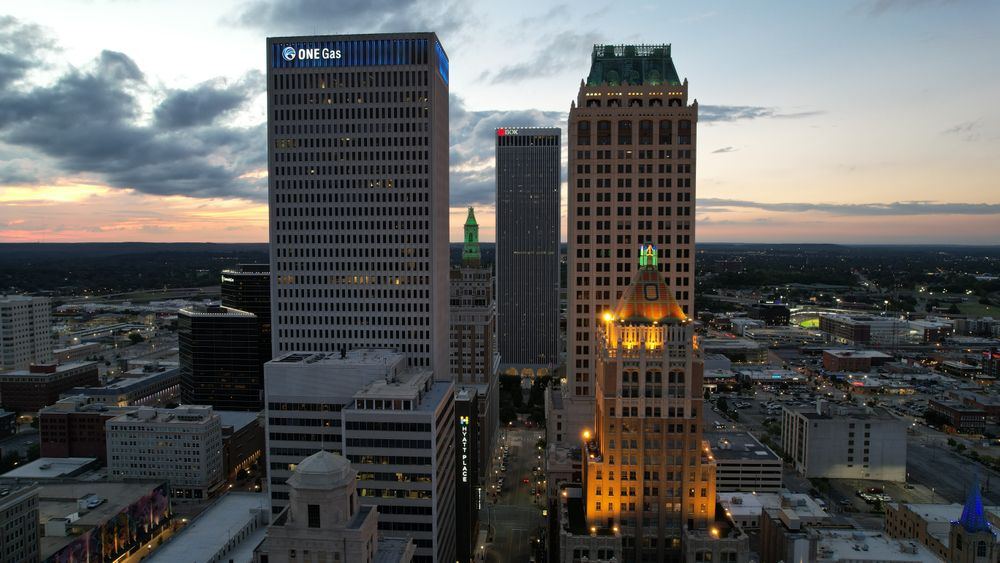 TulsaBiohazard cleanup in Tulsa
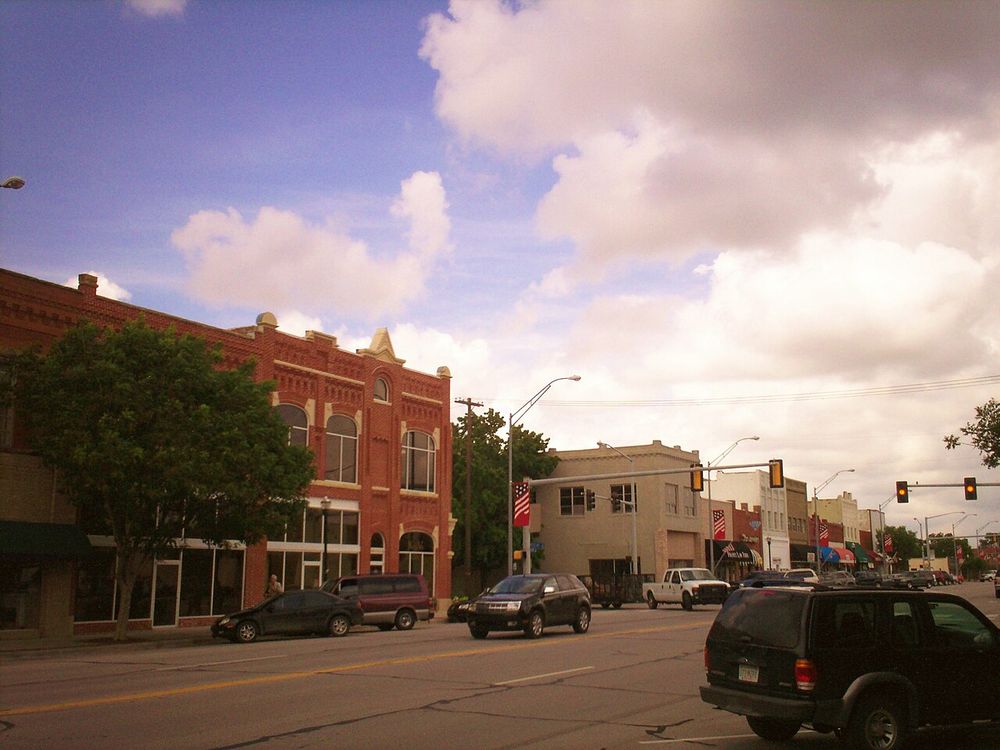 Broken ArrowBiohazard cleanup in Broken Arrow
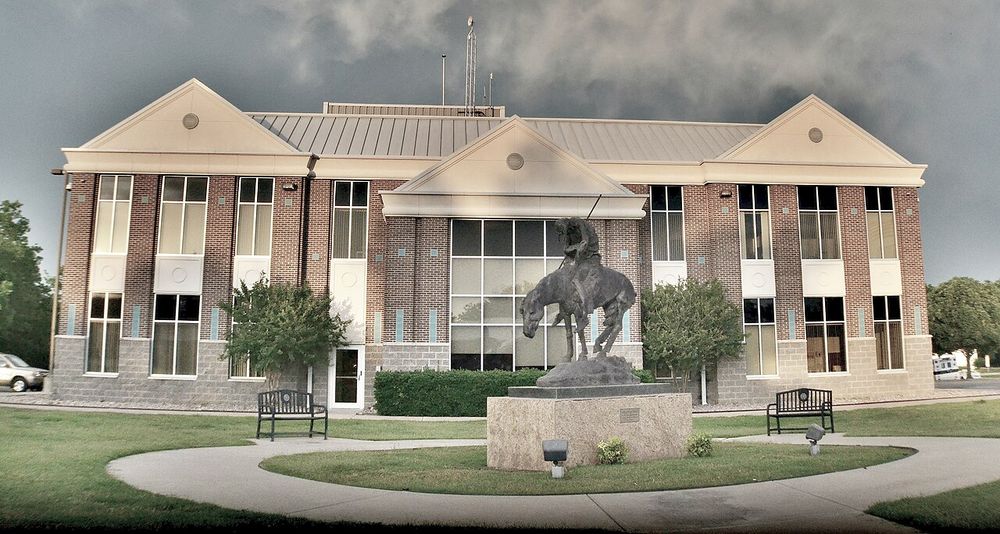 OwassoBiohazard cleanup in Owasso
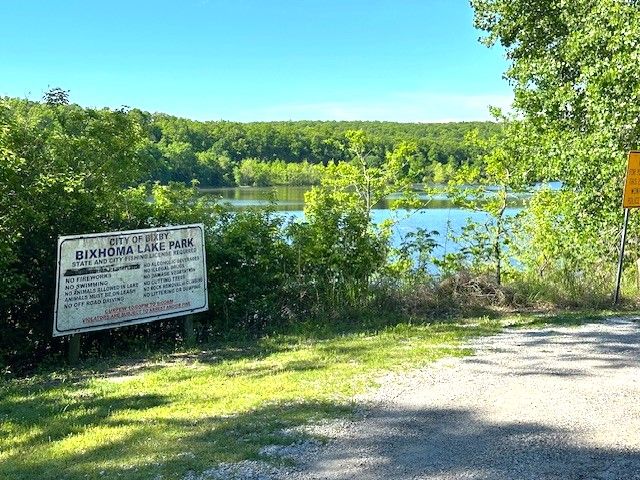 BixbyBiohazard cleanup in Bixby
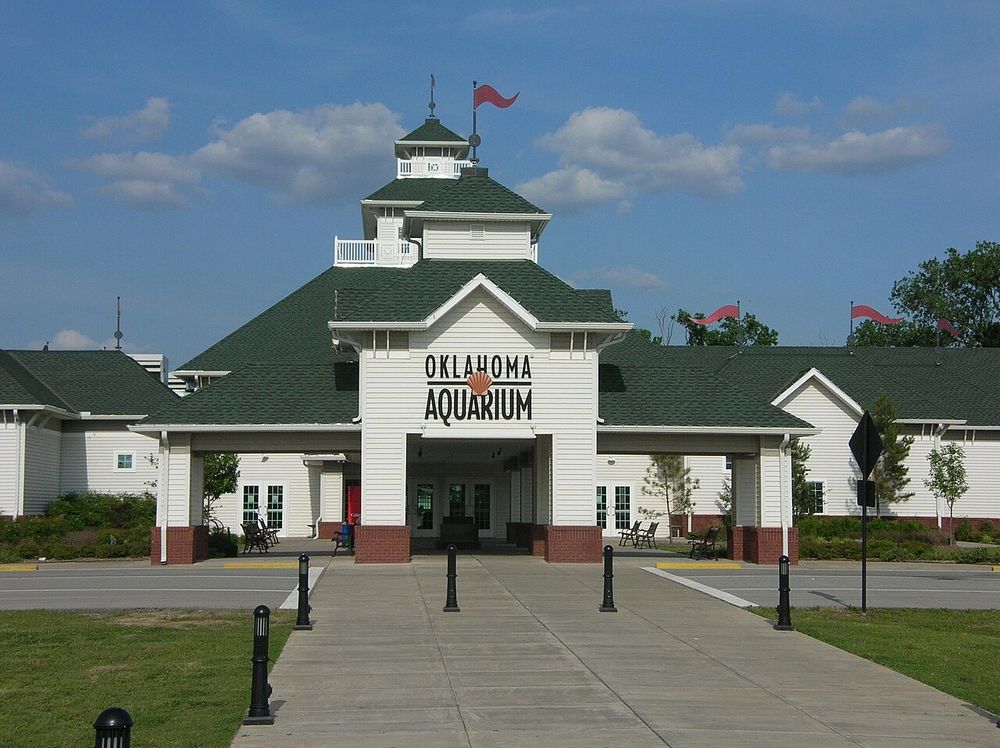 JenksBiohazard cleanup in Jenks
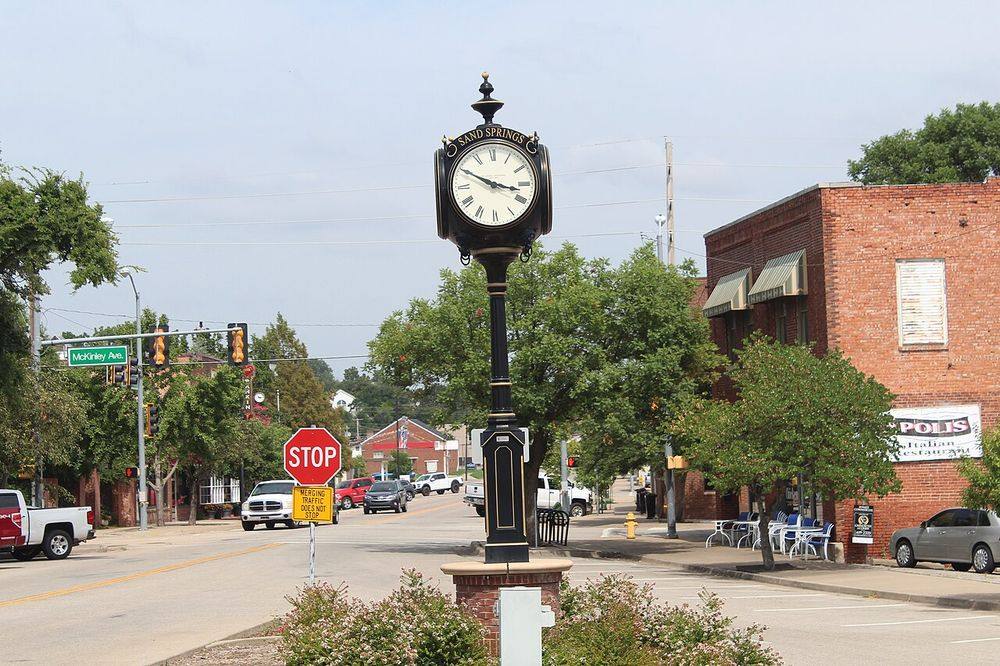 Sand SpringsBiohazard cleanup in Sand Springs
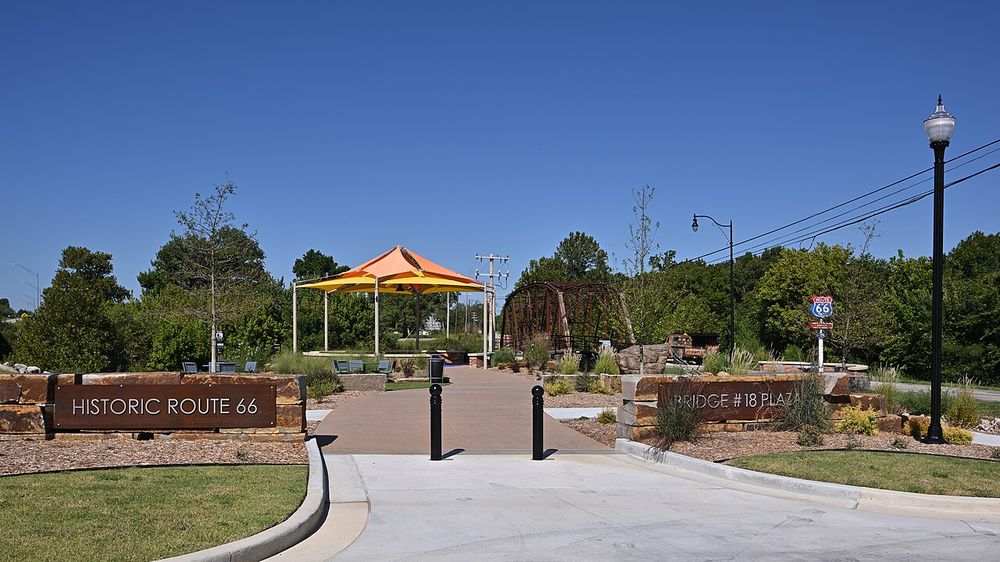 SapulpaBiohazard cleanup in Sapulpa
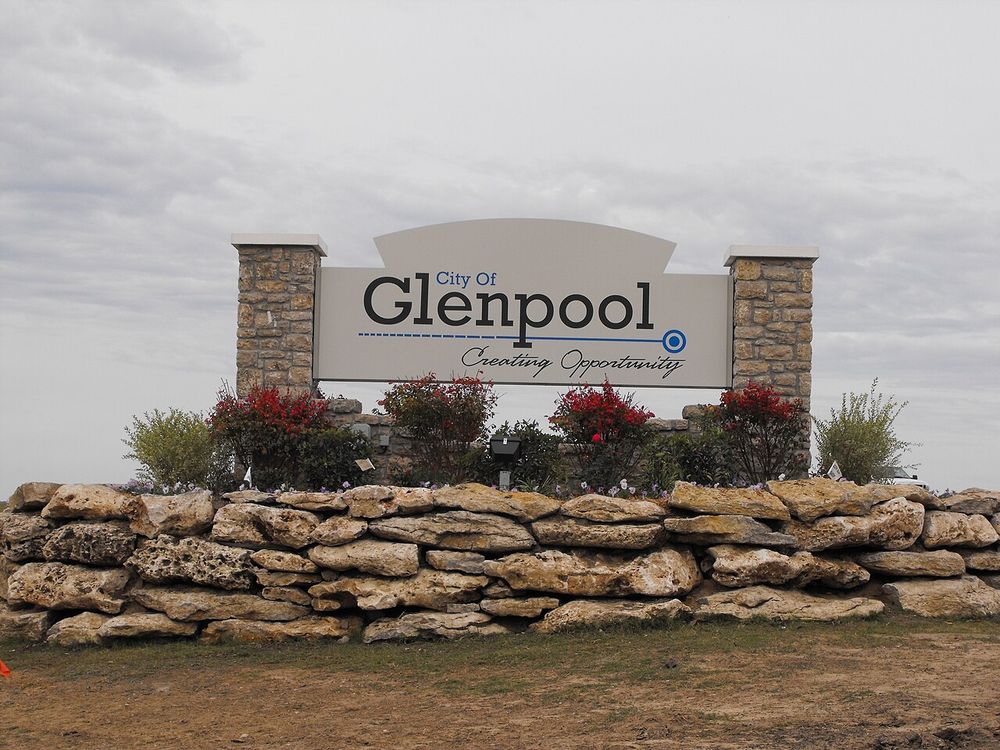 GlenpoolBiohazard cleanup in Glenpool
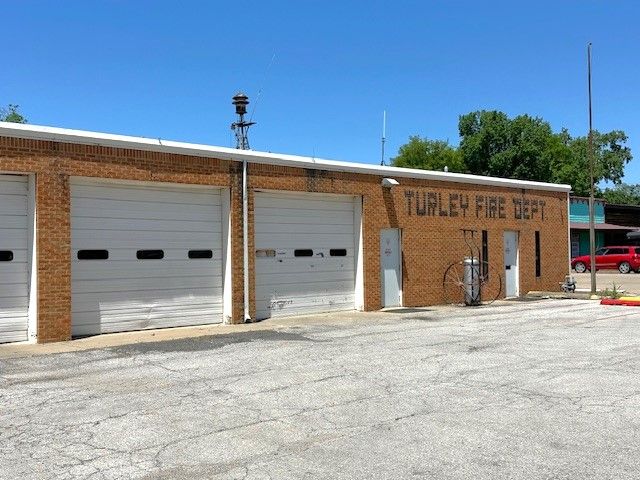 TurleyBiohazard cleanup in Turley
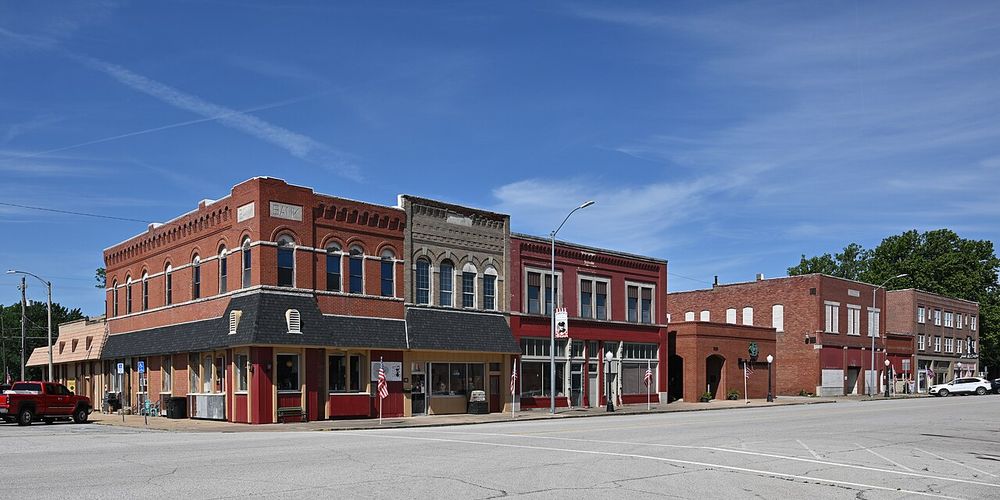 CollinsvilleBiohazard cleanup in Collinsville
 SkiatookBiohazard cleanup in Skiatook
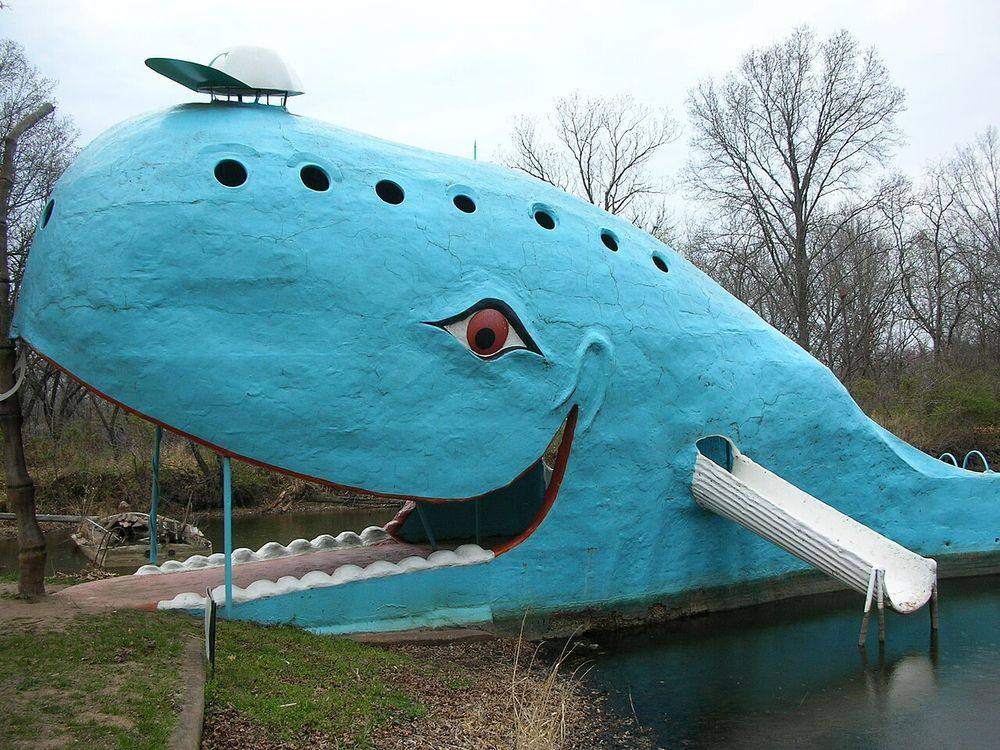 CatoosaBiohazard cleanup in Catoosa
Frequently Asked Questions
Human feces is classified as a biohazard due to the pathogens it contains. Oklahoma DEQ regulates its transport and disposal.
Biohazard Cleanup Oklahoma
We answer 24 hours a day.
When you are ready, one call starts the process. A dispatcher assesses your situation and sends a crew.