Biohazard Cleanup in Tulsa, Oklahoma
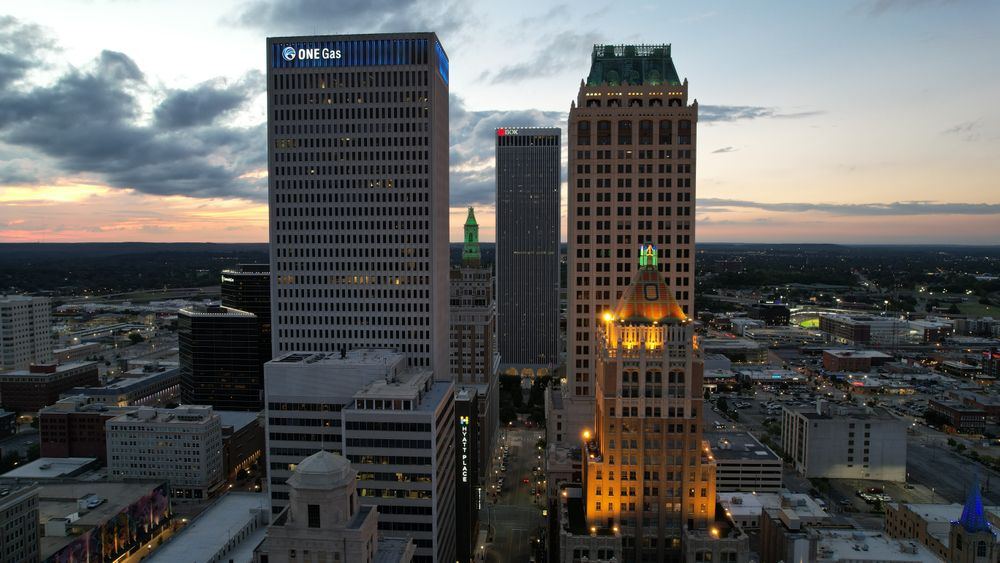
Tulsa is a city of 400,000 people spread across 201 square miles and 49 zip codes, from the Art Deco towers downtown to the ranch homes along South Memorial, from the historic neighborhoods of North Tulsa to the growing subdivisions pushing past 101st Street. In a metro this size, biohazard situations happen every week.
A man is found deceased in a midtown apartment after his coworkers report he has not shown up in five days. A domestic violence incident in a duplex near 61st and Peoria leaves blood across two rooms. A hoarder's home near the Tulsa Fairgrounds is condemned by the Tulsa Fire Marshal after a code enforcement inspection reveals animal waste and structural rot beneath stacked boxes.
Each situation requires professional biohazard remediation, not a cleaning service, not a restoration company that dabbles in biohazard, but a team trained specifically in bloodborne pathogen handling, EPA-compliant decontamination, and regulated medical waste disposal under Oklahoma Department of Environmental Quality guidelines.
Biohazard Services Available in Tulsa
Every biohazard remediation service we offer is available across all 49 Tulsa zip codes, 24 hours a day, 365 days a year.
Crime Scene and Trauma Cleanup, blood, bodily fluid, and tissue removal after violent crime, assault, or law enforcement scene release. We coordinate with the Tulsa Police Department's homicide unit and the Oklahoma State Bureau of Investigation on scene access timing.
Unattended Death and Decomposition Cleanup, full remediation of decomposition damage including bodily fluid extraction, subflooring removal, and death odor elimination. Tulsa's summer heat, routinely exceeding 100°F from June through September, accelerates decomposition dramatically. A body undiscovered for 48 hours in a Tulsa apartment in July produces contamination that would take two weeks in January.
Suicide Cleanup, handled with absolute discretion. Unmarked vehicles. No branded uniforms. Arrival coordinated to avoid visibility to neighbors. The emotional weight on the family is our primary concern.
Hoarding Remediation, biohazard assessment, contaminated material removal, compassionate sorting, and deep cleaning. We coordinate with the Tulsa Health Department and Adult Protective Services when cases involve code enforcement or vulnerable individuals.
Biohazard Odor Removal, permanent elimination of decomposition, death, smoke, and biological odor using commercial-grade hydroxyl generators and thermal fogging. Not masking, molecular-level destruction of the volatile organic compounds producing the smell.
Meth and Drug Contamination, surface testing, chemical residue removal, HVAC decontamination, and post-remediation clearance testing. The Oklahoma Bureau of Narcotics reports significant methamphetamine activity in the Tulsa metropolitan area.
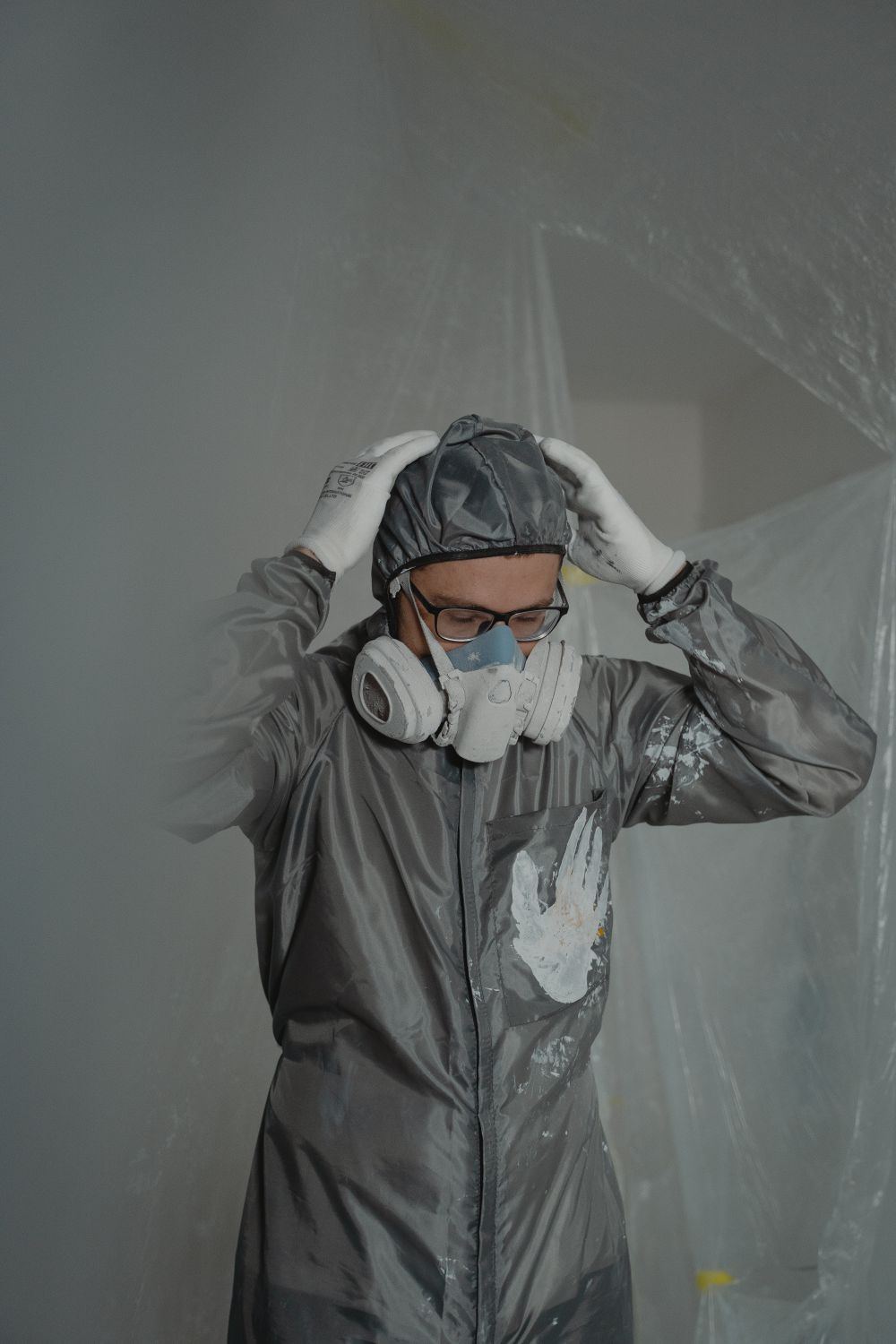
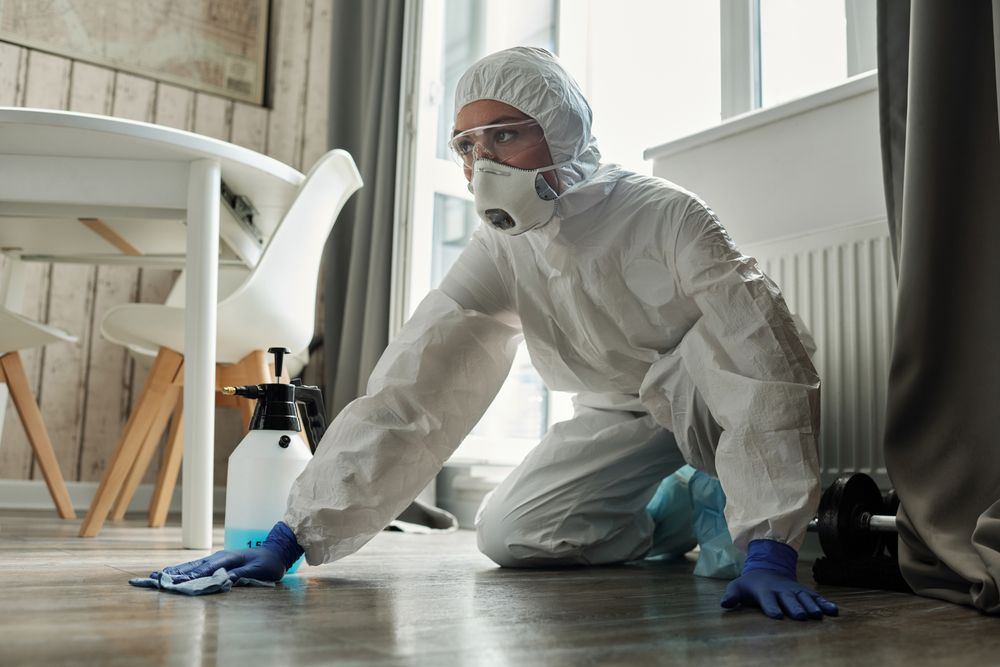
Hazmat and Human Waste Cleanup, sewage backup remediation, human fecal contamination, and chemical spill decontamination. OSHA HAZWOPER-trained crews with appropriate PPE for every scenario.
Vehicle Biohazard Cleanup, blood, decomposition, and biological contamination removal from car, truck, and commercial vehicle interiors.
Estate and Death Cleanout, property clearing after a death, with biohazard assessment, personal item recovery, and coordination with estate executors.
Commercial Biohazard Cleanup, office, retail, industrial, and property management decontamination with minimal business disruption.
Tulsa Neighborhoods and Areas We Cover
Our response reaches every part of the city, no neighborhood is outside our service range.
Downtown and Midtown Tulsa
The Brady Arts District, Blue Dome District, Deco District, Cherry Street, Brookside, and the Pearl District. Older building stock in these neighborhoods, many dating to Tulsa's oil boom era, often features plaster walls, hardwood floors, and limited subfloor access that complicate remediation. Decomposition in a 1920s Brookside bungalow penetrates differently than in a 2010s tract home.
Zip codes: 74103, 74104, 74119, 74120
South Tulsa
The area south of 51st Street extending to the Bixby and Jenks borders, including neighborhoods like Woodland Hills, Forest Creek, Southern Hills, Chimney Hills, and the communities along South Memorial Drive. This is one of Tulsa's highest-population-density corridors.
Zip codes: 74105, 74114, 74132, 74133, 74135, 74136, 74137
East Tulsa
The corridor along East 11th Street and Admiral Place through the Eastland, Lynn Lane, and Park Plaza neighborhoods, extending to the Broken Arrow border. Higher density apartment complexes in this area produce more frequent unattended death discoveries than single-family neighborhoods.
Zip codes: 74108, 74112, 74115, 74128, 74129, 74134, 74145, 74146
North Tulsa and Turley
North of I-244 through the Mohawk Park area, extending into the Turley census-designated place. Properties in this area include older single-family homes, rental properties, and rural lots along the Osage County border.
Zip codes: 74106, 74110, 74117, 74126, 74127, 74130
West Tulsa and Sand Springs Border
West of the Arkansas River through the Red Fork, Garden City, and Carbondale neighborhoods, extending toward Sand Springs and the Keystone Lake area.
Zip codes: 74107, 74127, 74132
Tulsa-Specific Biohazard Considerations
Climate Impact on Decomposition
Tulsa's continental climate produces temperature extremes that directly affect biohazard remediation scope. Summer highs regularly exceed 100°F with humidity levels that accelerate bacterial activity. An unattended death during July or August produces advanced decomposition in 24 to 48 hours, a timeline that stretches to one or two weeks during December and January lows near 30°F.
This means summer biohazard calls in Tulsa tend to involve deeper contamination, more structural material removal, and more intensive odor treatment than the same scenario in cooler months.
Tulsa's Aging Housing Stock
Many neighborhoods in Tulsa, particularly midtown, North Tulsa, and the areas along Route 66, contain homes built between 1920 and 1960. These structures feature materials that modern homes do not: plaster walls that absorb blood differently than drywall, tongue-and-groove hardwood subfloors with gaps that channel fluids between rooms, and balloon-frame construction that allows contamination to travel vertically through wall cavities.
Remediating biohazard contamination in these homes requires different techniques than modern construction, and an understanding of how building methods from that era affect contamination patterns.
Tulsa's Rental Market
Tulsa's rental vacancy rate and the density of multi-unit housing, particularly along the I-44 corridor, the 71st Street commercial strip, and the East Tulsa apartment corridors, means unattended deaths in rental units are discovered by property managers with measurable frequency. Landlords in Oklahoma face specific legal obligations regarding unit remediation and tenant notification that differ from homeowner situations.
Tulsa Resources for Families
Tulsa Police Department, Victim Services Unit provides support to crime victims and their families in Tulsa
Tulsa County District Attorney, Victim Witness Center assists with court processes and victim compensation referrals
Oklahoma Office of the Chief Medical Examiner, Tulsa Regional Office, handles death investigations in Tulsa County
Oklahoma Crime Victims Compensation Program, financial assistance for victims of violent crime, administered through the Oklahoma District Attorneys Council
Tulsa Health Department, code enforcement, environmental health, and sanitation oversight
988 Suicide and Crisis Lifeline, call or text 988 for 24/7 crisis support
Oklahoma Department of Mental Health and Substance Abuse Services, grief counseling and behavioral health referrals
We answer 24 hours a day. One call starts the process, and a dispatcher sends a crew.
(918) 478-8596Nearby Cities Also Served
Our Tulsa crews also respond to Broken Arrow, Owasso, Bixby, Jenks, Sand Springs, Turley, Sapulpa, Glenpool, Collinsville, Skiatook, and Catoosa.
We dispatch crews immediately upon your call. Tulsa city limits locations reached fastest. Surrounding communities covered the same day.
Our crews also respond across the rest of the Tulsa metro. Choose a nearby city for its local page.
TulsaYou are here Broken ArrowBiohazard cleanup in Broken Arrow
 OwassoBiohazard cleanup in Owasso
 BixbyBiohazard cleanup in Bixby
 JenksBiohazard cleanup in Jenks
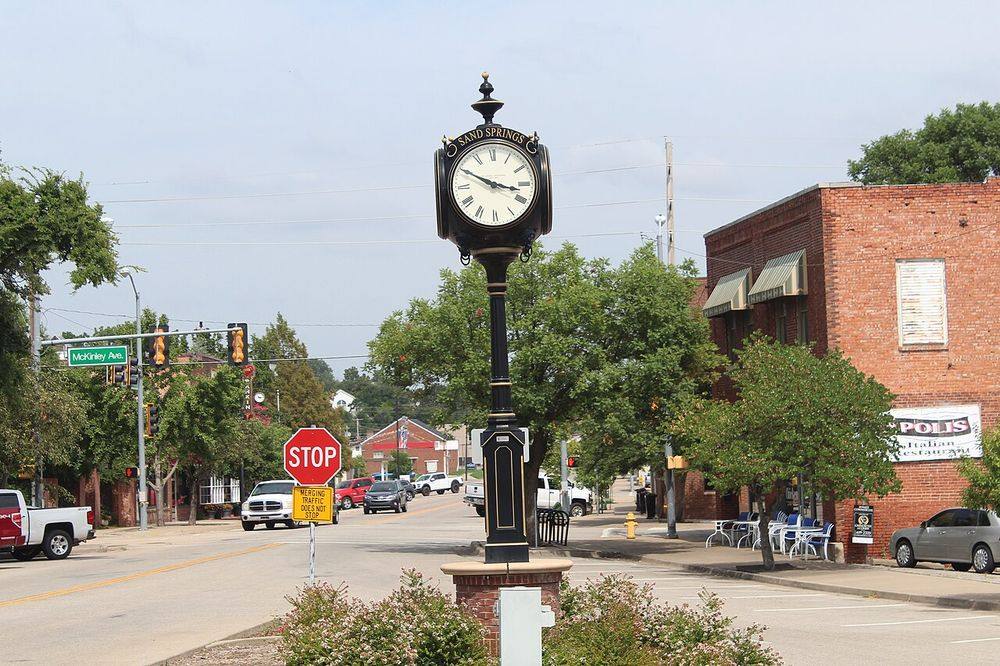 Sand SpringsBiohazard cleanup in Sand Springs
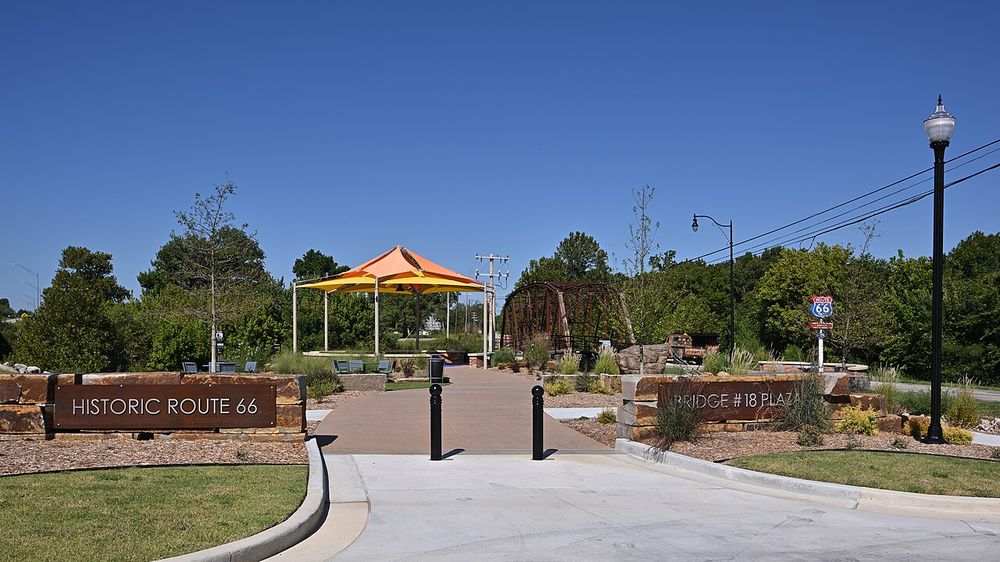 SapulpaBiohazard cleanup in Sapulpa
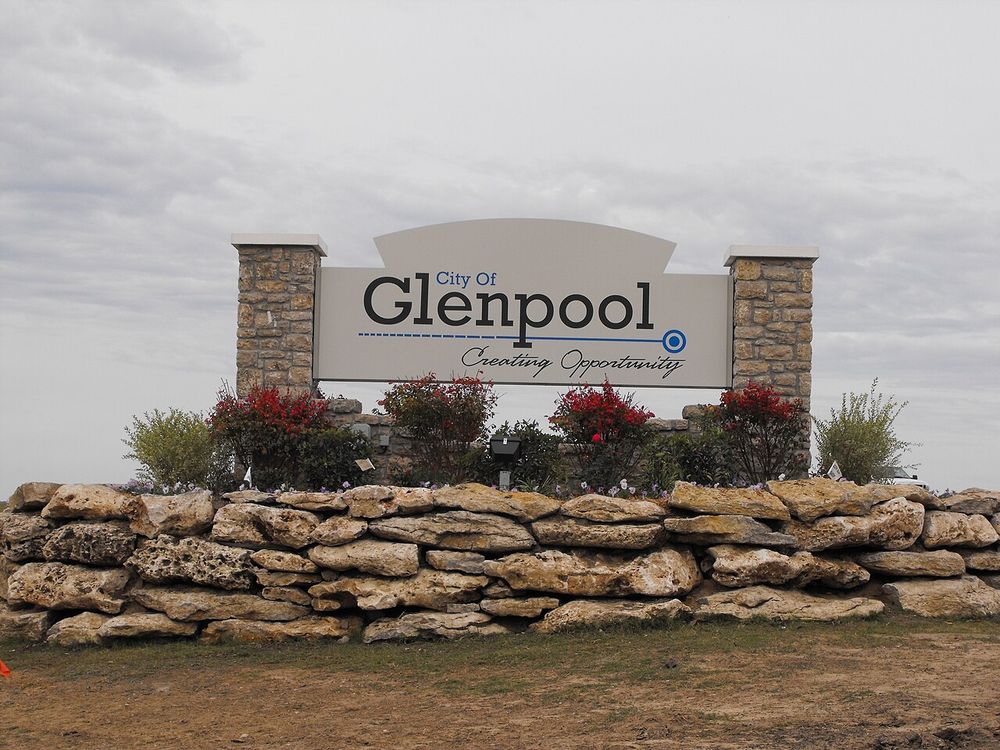 GlenpoolBiohazard cleanup in Glenpool
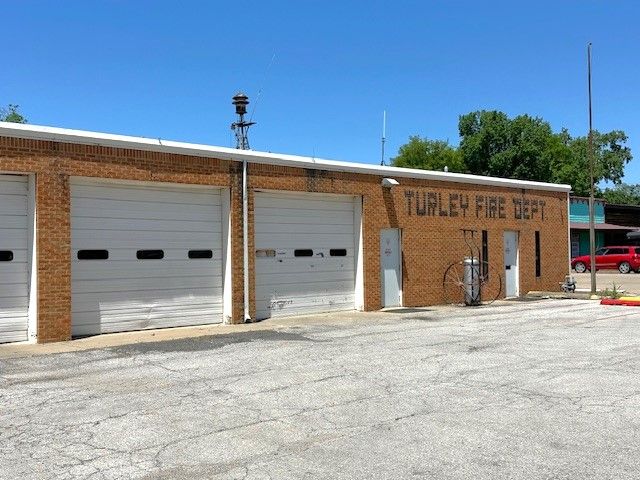 TurleyBiohazard cleanup in Turley
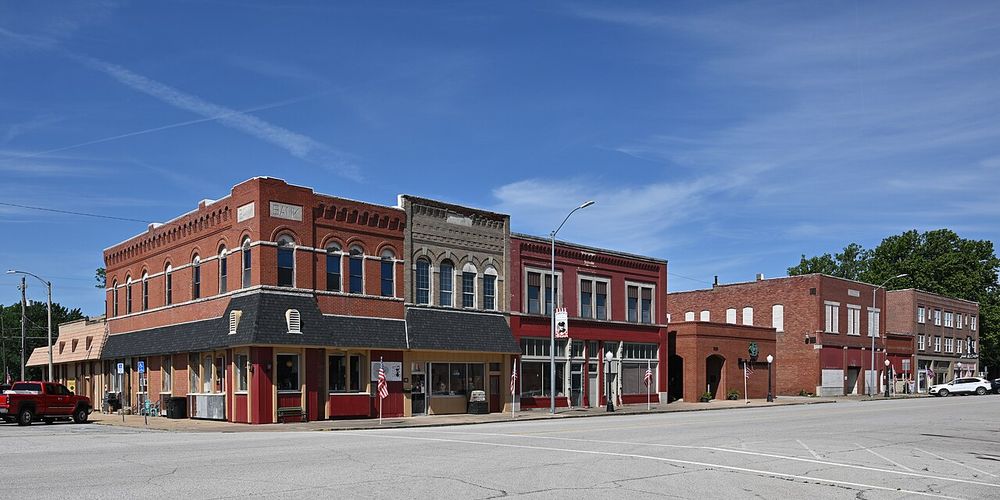 CollinsvilleBiohazard cleanup in Collinsville
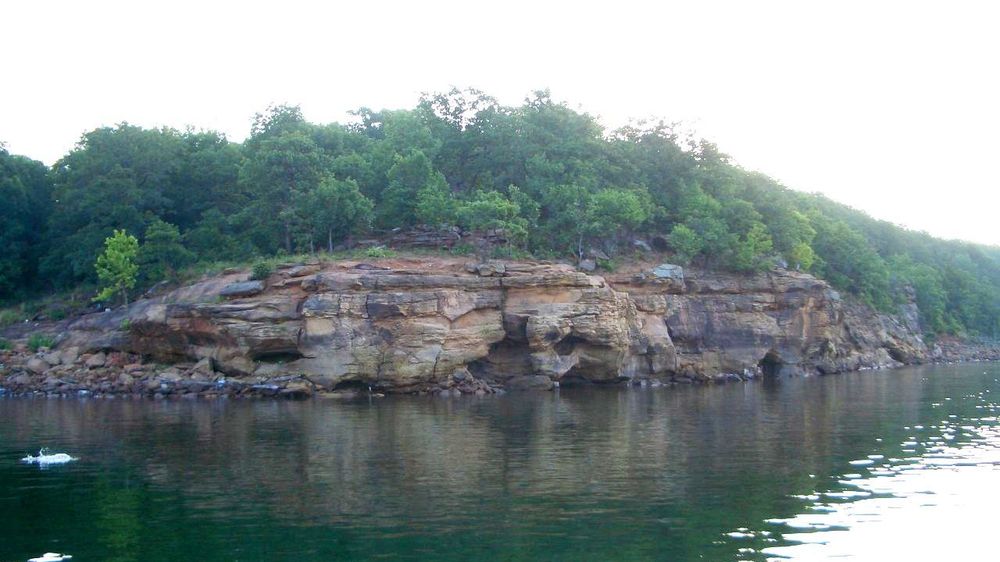 SkiatookBiohazard cleanup in Skiatook
 CatoosaBiohazard cleanup in Catoosa
Frequently Asked Questions
We maintain crews across the Tulsa metropolitan area. We dispatch immediately. Tulsa city limits locations are our fastest response area. Locations on the outer edges of the city, far south Tulsa near the Bixby border, far east near Catoosa, or the Turley area to the north, may take up to 90 minutes depending on traffic and crew positioning.
Biohazard Cleanup Oklahoma
We answer 24 hours a day.
When you are ready, one call starts the process. A dispatcher assesses your situation and sends a crew.