Vehicle Biohazard Cleanup
Blood soaked into a cloth car seat does not come out with upholstery cleaner. It passes through the fabric, saturates the foam padding beneath, and reaches the metal seat frame. The vehicle smells. The stain remains. And the biological material carries the same bloodborne pathogens, Hepatitis B, Hepatitis C, HIV, as contamination in a building.
Vehicle interiors present unique remediation challenges that building cleanup does not.
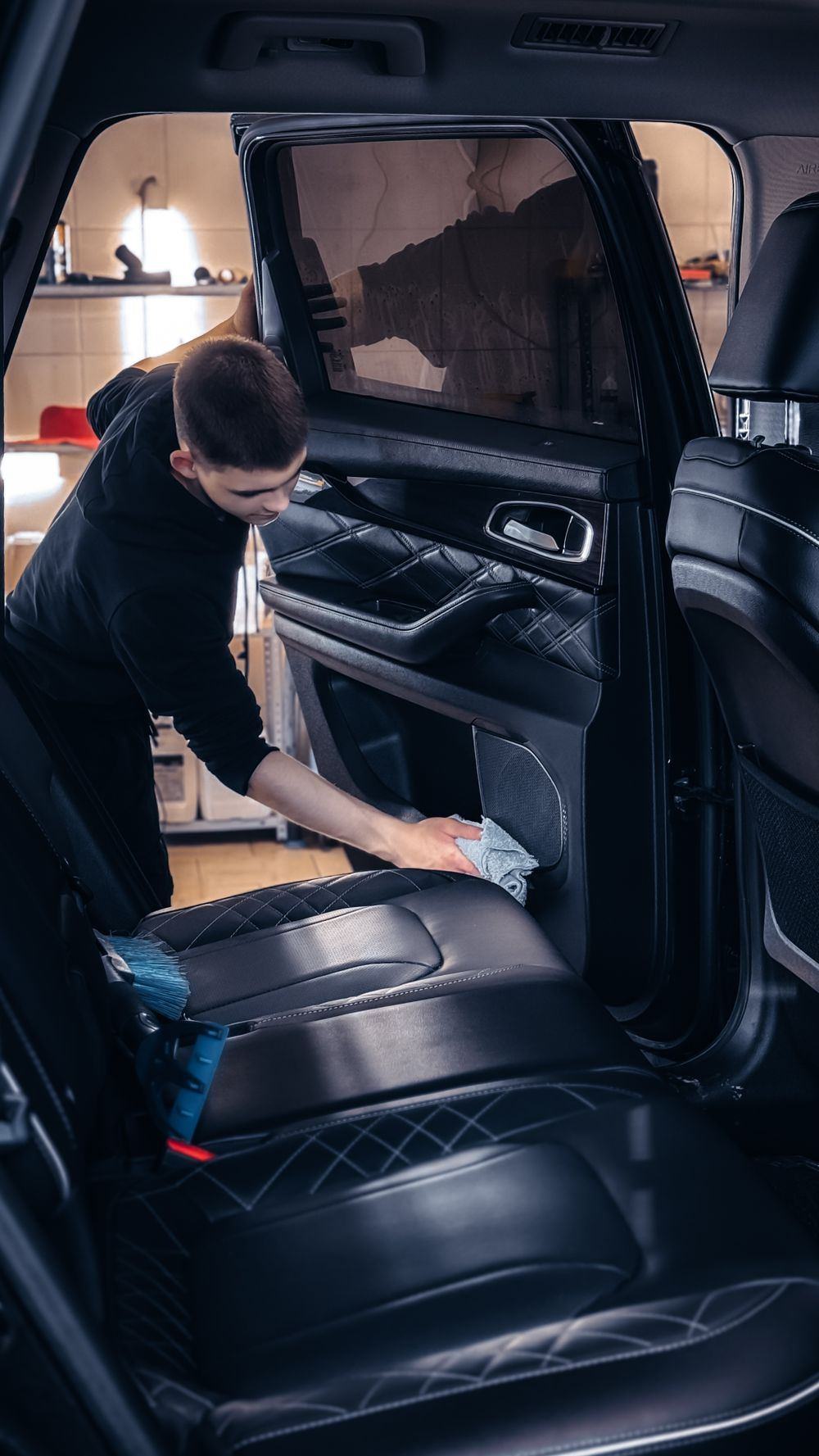
Why Vehicle Biohazard Cleanup Is Different
Cloth seats, headliners, carpet, trunk liners, and dashboard padding are all porous. Once blood or bodily fluids reach these materials, surface cleaning cannot extract the contamination embedded in foam and fiber layers beneath.
Vehicle HVAC systems recirculate cabin air through ductwork and an evaporator core. Biological material that enters the ventilation system contaminates components that are difficult to access.
Enclosed vehicle cabins concentrate odor. Decomposition in a sealed vehicle during an Oklahoma summer, where interior temperatures exceed 150°F, produces contamination levels that would take weeks to develop in a ventilated building.
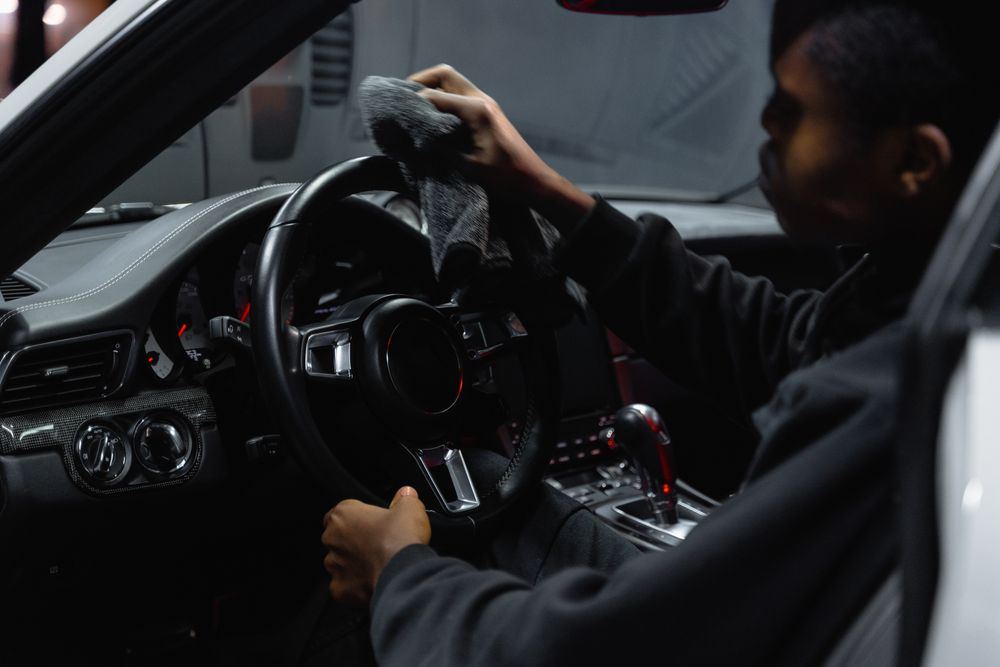
Scenarios We Handle
Traffic accident aftermath, serious vehicle accidents on I-44 through Catoosa, the Broken Arrow Expressway, US-169 through Owasso, Memorial Drive in south Tulsa, and highways across the metro leave blood on seats, dashboards, door panels, headliners, and seatbelt mechanisms.
Death in a vehicle, unattended deaths in vehicles discovered in parking structures, rural roads near Skiatook or Sand Springs, or private driveways in Bixby and Jenks produce extreme contamination due to the sealed, heated environment.
Crime in a vehicle, carjacking, assault, and homicide scenes inside vehicles require evidence-release coordination with law enforcement. Once released, biological contamination must be professionally remediated.
Fleet and commercial vehicles, ambulances, police vehicles, rideshare cars, rental vehicles, and commercial fleet vehicles operating out of Tulsa, Broken Arrow, Sapulpa, and the Port of Catoosa industrial corridor encounter biological contamination through their regular use.
Our Vehicle Remediation Process
Assessment, every surface and component inspected. Seats removed to access contamination beneath. Trim panels pulled to check behind door cards.
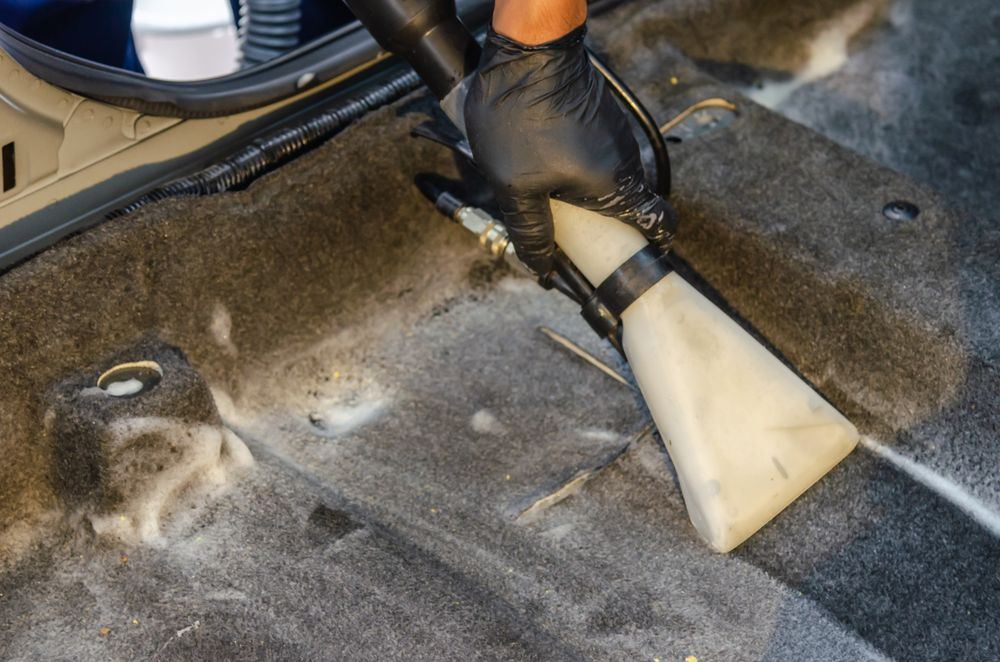
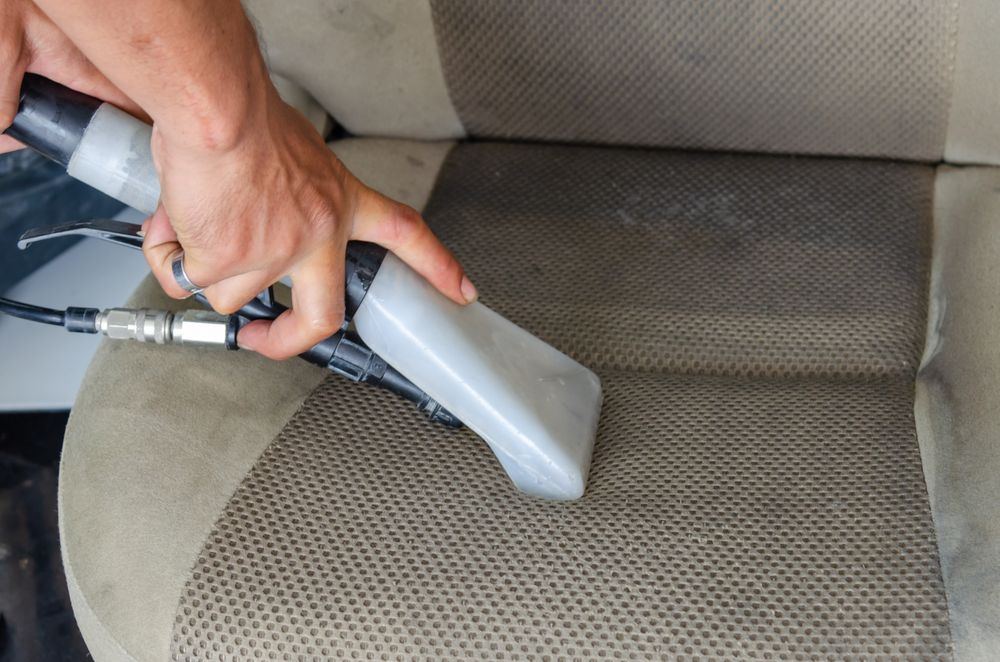
Material removal, contaminated seat foam, headliner material, carpet, and trunk liner sections extracted. Seatbelt webbing replaced.
Surface decontamination, EPA-registered disinfectant treatment with detail-level precision on dashboard crevices, console seams, and door jamb channels.
HVAC treatment, cabin air filter replaced. Evaporator core and ductwork treated with antimicrobial fogging. Vents cleaned individually.
Odor elimination, hydroxyl generator treatment inside the sealed vehicle for 24 to 48 hours. Thermal fogging penetrates seat foam and headliner material.
Verification, ATP testing on every treated surface confirms decontamination.
Vehicle Biohazard Cleanup Areas We Serve
We perform remediation on-site at your location or transport the vehicle to our facility.
This service is available in every city below. Choose your city for local response details, community resources, and services in your area.
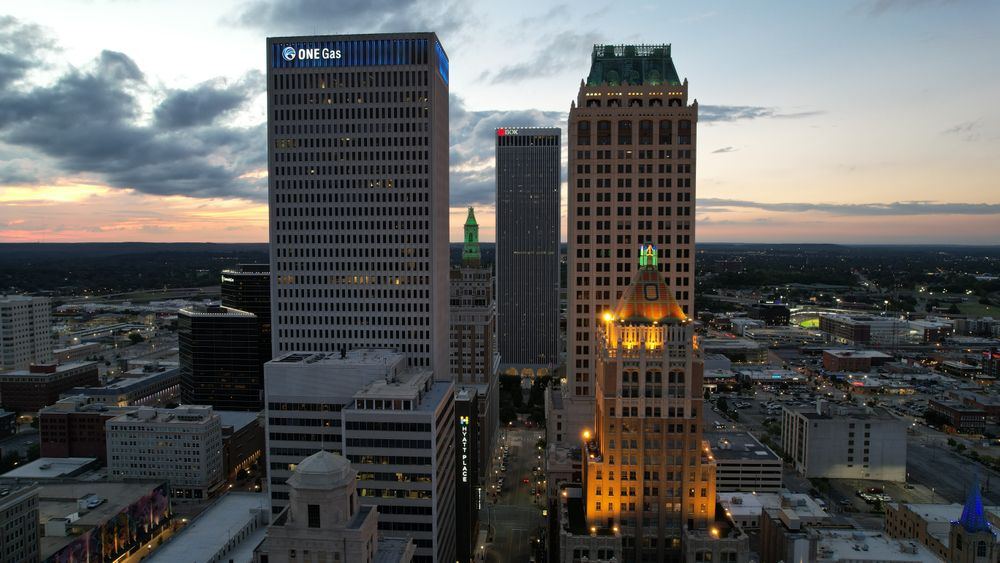 TulsaBiohazard cleanup in Tulsa
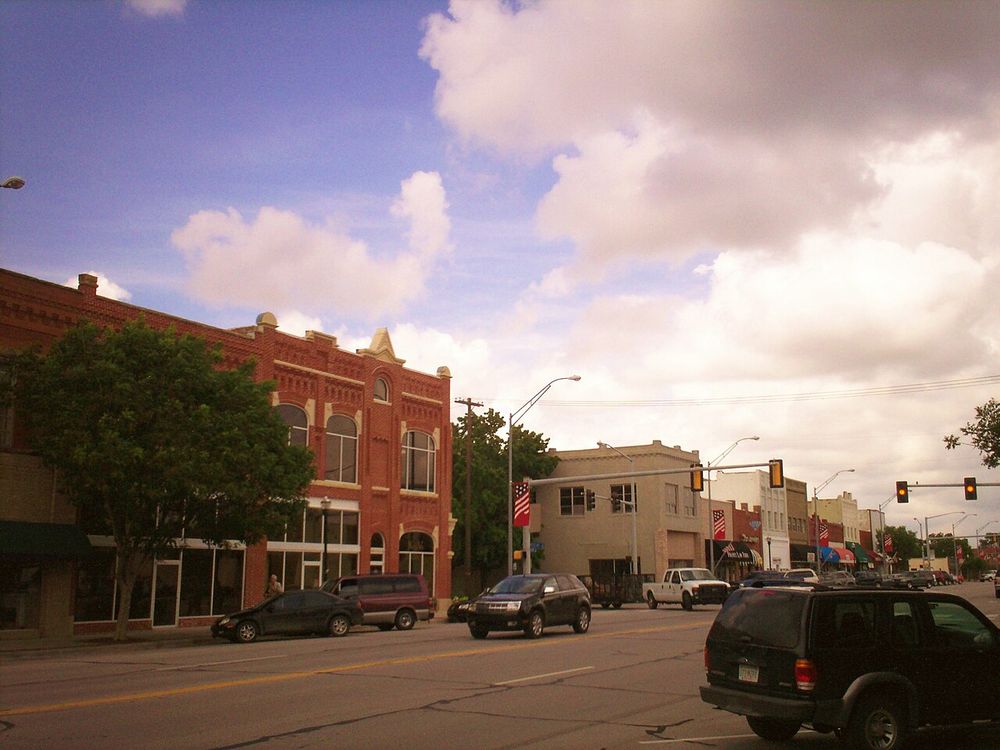 Broken ArrowBiohazard cleanup in Broken Arrow
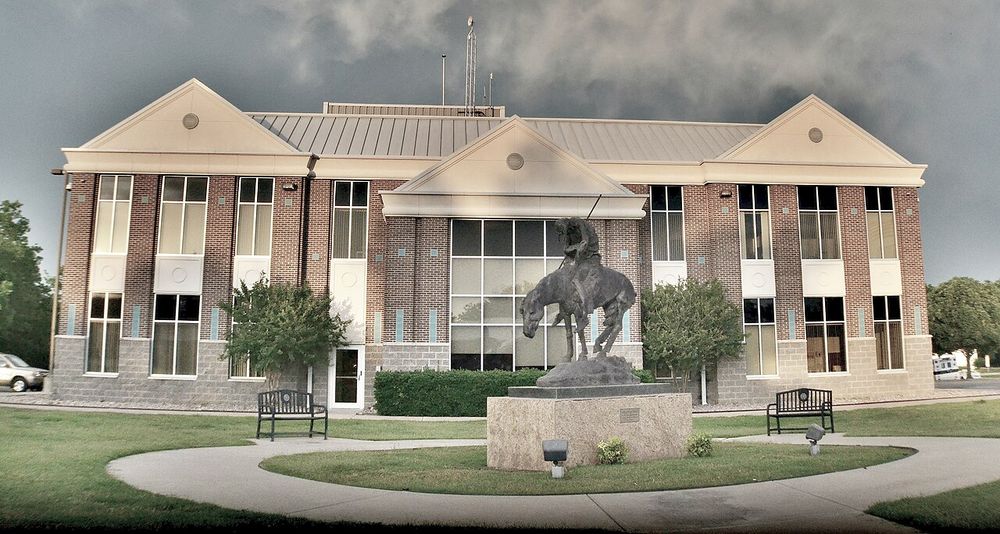 OwassoBiohazard cleanup in Owasso
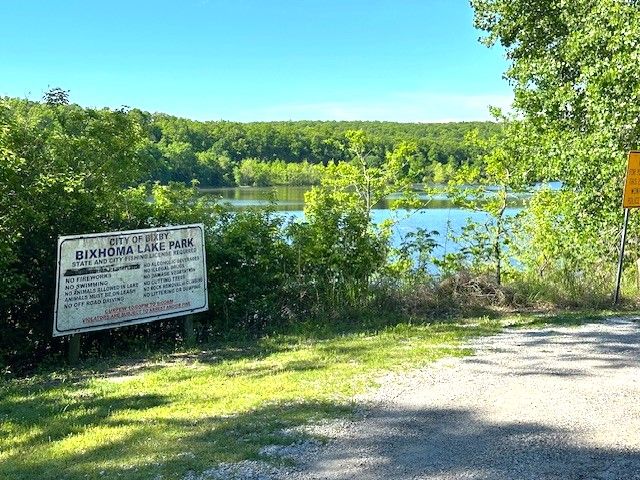 BixbyBiohazard cleanup in Bixby
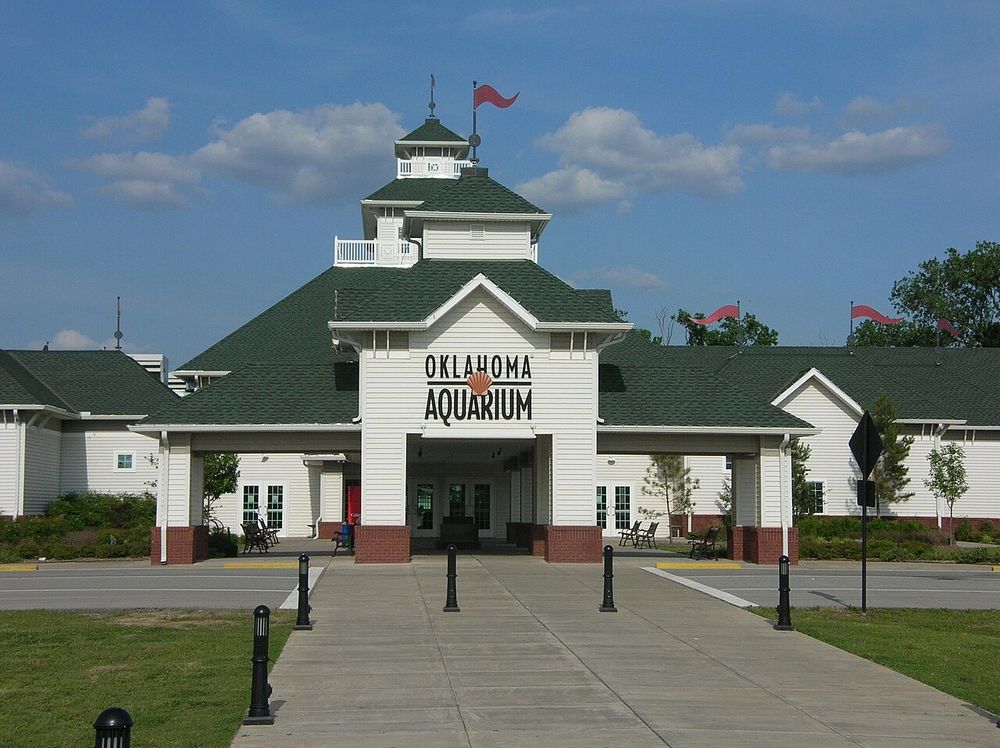 JenksBiohazard cleanup in Jenks
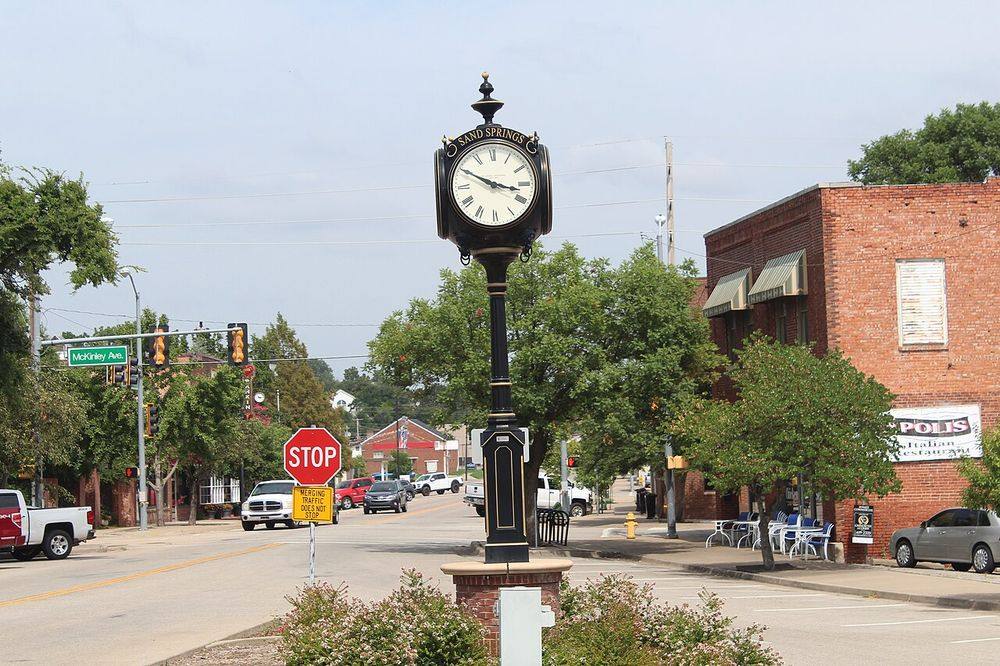 Sand SpringsBiohazard cleanup in Sand Springs
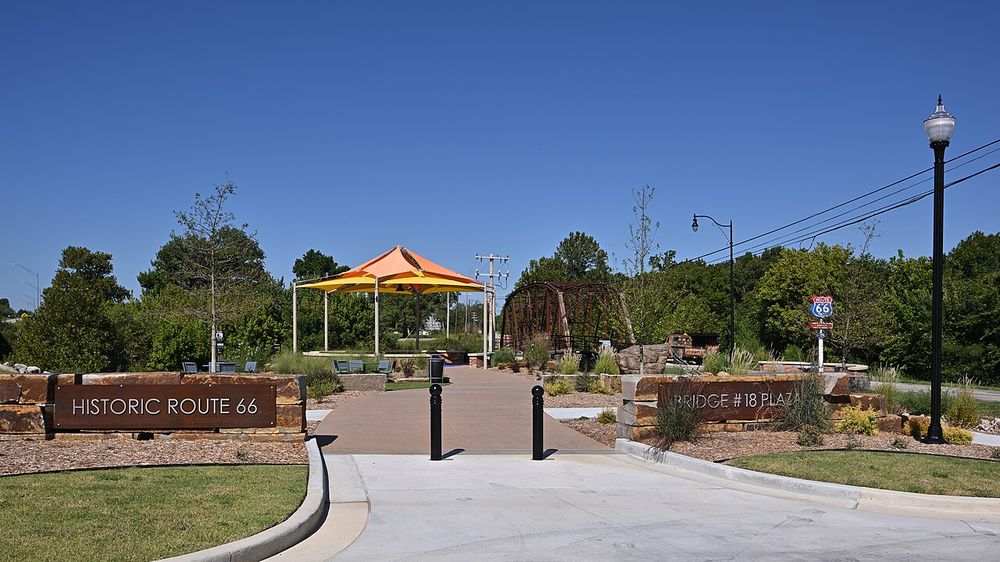 SapulpaBiohazard cleanup in Sapulpa
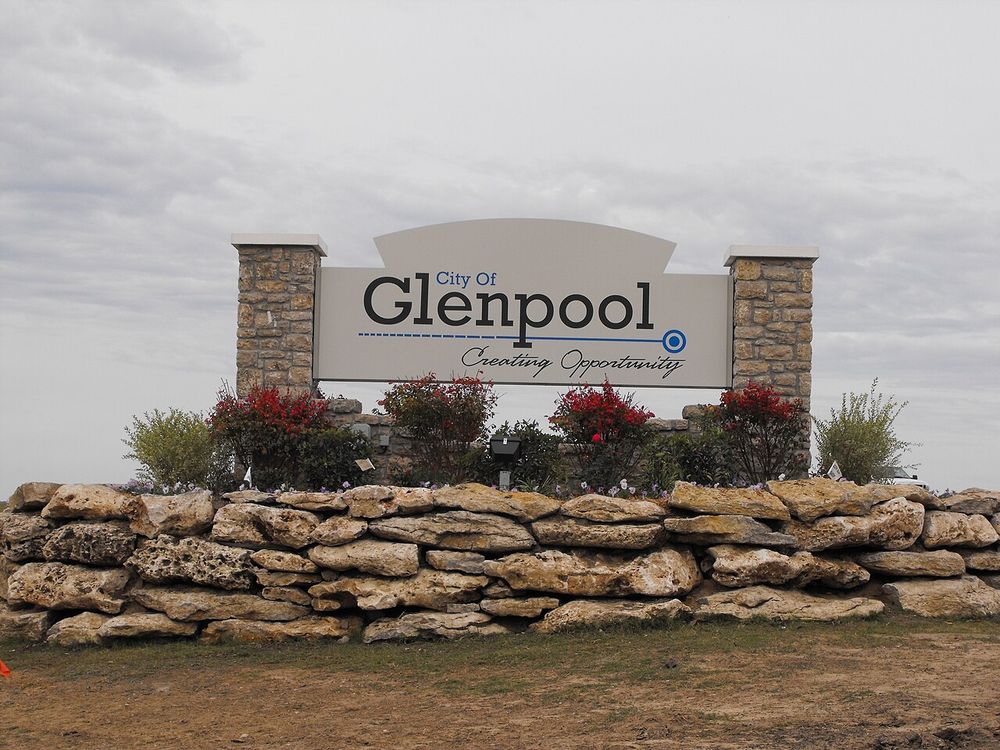 GlenpoolBiohazard cleanup in Glenpool
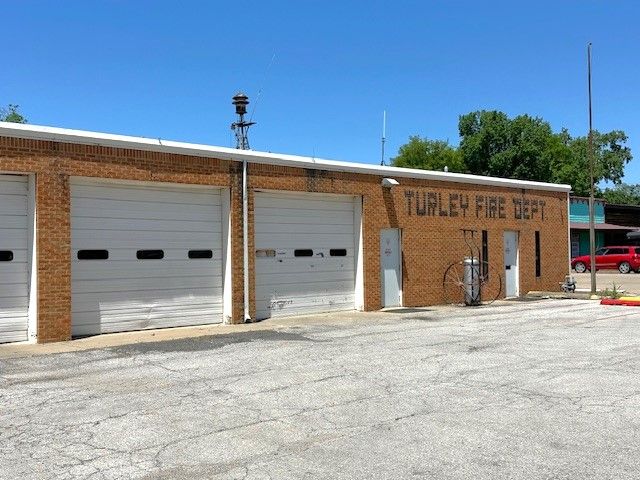 TurleyBiohazard cleanup in Turley
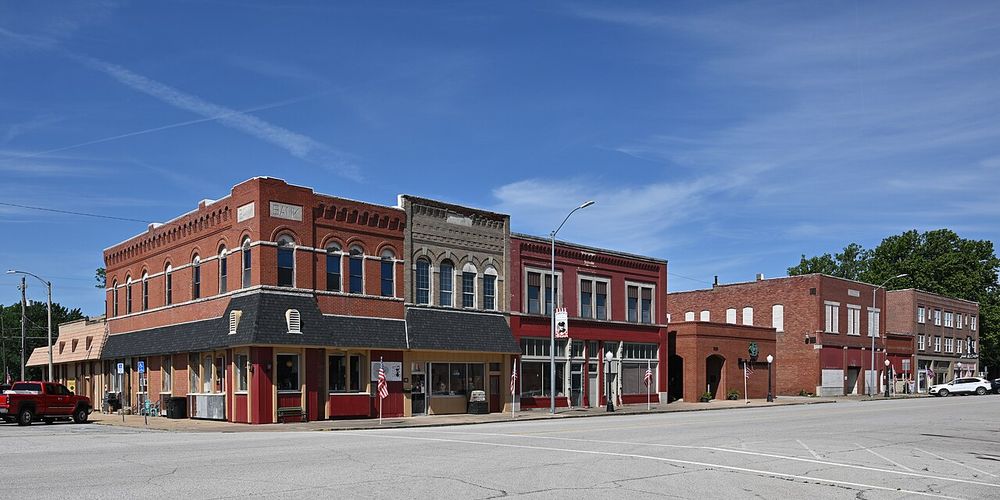 CollinsvilleBiohazard cleanup in Collinsville
 SkiatookBiohazard cleanup in Skiatook
 CatoosaBiohazard cleanup in Catoosa
Frequently Asked Questions
In most cases, yes. Seats, carpet, and headliner can be replaced after contaminated material is removed and hard surfaces are decontaminated.

Biohazard Cleanup Oklahoma
We answer 24 hours a day.
When you are ready, one call starts the process. A dispatcher assesses your situation and sends a crew.