Meth and Drug Contamination Cleanup
The property looked fine during the walkthrough. The previous tenant left it reasonably clean. But the new tenants started getting headaches. Their children developed respiratory symptoms. A surface swab test came back positive for methamphetamine residue at levels exceeding habitable thresholds.
Meth contamination is invisible. It does not discolor walls. It does not produce an obvious smell in all cases. And it affects every surface in the property, walls, ceilings, carpets, countertops, light fixtures, HVAC ductwork, electrical outlets, window frames.
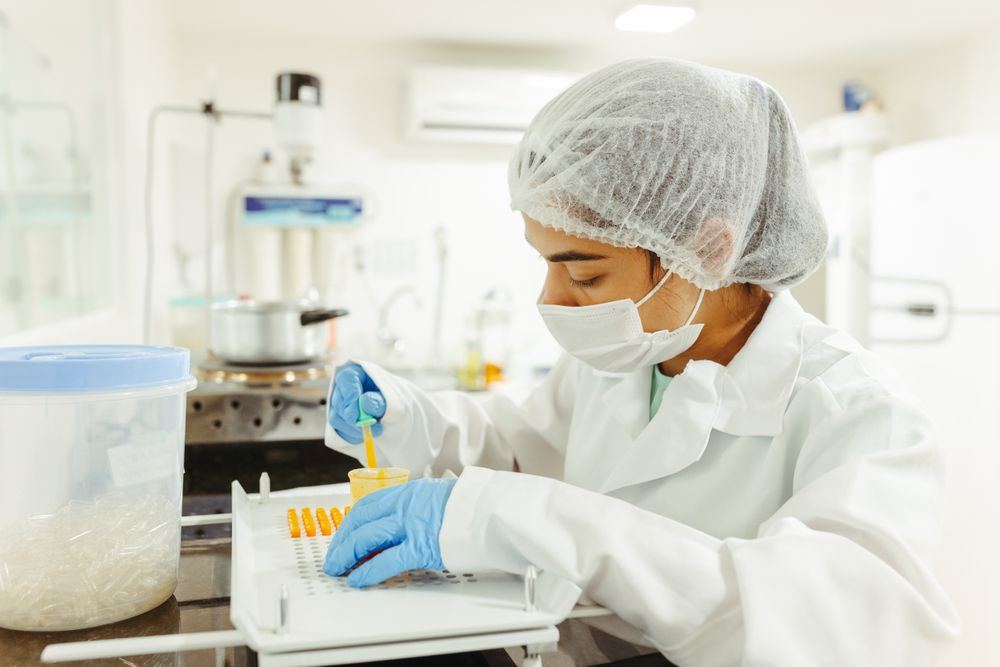
How Methamphetamine Contaminates a Property
Methamphetamine contamination occurs through two routes: manufacturing and heavy use.
Manufacturing, clandestine meth labs produce chemical byproducts during the cooking process that deposit on every surface. Pseudoephedrine reduction, the most common production method, produces hydriodic acid, red phosphorus, and iodine vapors that corrode plumbing, stain surfaces, and embed chemical residue into porous building materials. The Oklahoma Bureau of Narcotics maintains a registry of known former meth lab locations.
Heavy use, smoking methamphetamine produces vapor that condenses on cool surfaces throughout the property. Repeated use over months or years builds residue layers on walls, ceilings, HVAC components, and soft goods. Properties used for heavy meth consumption can test positive at levels comparable to manufacturing sites.
Both contamination types deposit methamphetamine residue that persists indefinitely on untreated surfaces. The residue does not degrade at room temperature. Painting over it does not eliminate it, the compound migrates through standard latex paint.
Health Effects of Meth Residue Exposure
Occupants of meth-contaminated properties absorb residue through dermal contact and inhalation of off-gassing compounds. Documented health effects include headaches, respiratory irritation, skin rashes, nausea, and sleep disturbance. Children are disproportionately affected due to their higher surface-contact behavior and lower body weight relative to exposure.
Fentanyl contamination, increasingly common in Oklahoma drug seizures, presents acute lethality risk. Fentanyl is active at microgram doses. Properties where fentanyl was used or handled can retain surface contamination at levels dangerous to unprotected occupants, particularly children and pets.
The Decontamination Process
Pre-Remediation Testing
Composite surface swab samples are collected from walls, ceilings, HVAC registers, and countertops. Samples are submitted to an accredited laboratory for quantitative analysis. Results determine whether the property exceeds habitable threshold levels and guide the scope of remediation.
Contaminated Material Removal
Carpet and padding are removed in all cases, carpet fibers trap methamphetamine residue that cannot be extracted through cleaning. Heavily contaminated drywall sections are removed. Soft goods, curtains, upholstered furniture, mattresses, that were present during the contamination period are disposed of.
Surface Decontamination
Remaining hard surfaces, drywall, wood, concrete, tile, are washed with specialized chemical cleaning solutions formulated to break methamphetamine molecular bonds. Multiple wash cycles are applied. HVAC ductwork is cleaned and supply/return registers are replaced.
Every surface receives a post-wash encapsulant coating that seals any residual trace contamination beneath a barrier.
Post-Remediation Clearance Testing
After decontamination, a second round of composite surface swab testing is performed. Samples are submitted to the same accredited laboratory. The property is cleared for occupancy only when test results fall below the established threshold.
Clearance test results and the complete remediation report become part of the property’s records, critical documentation for future sale or lease.
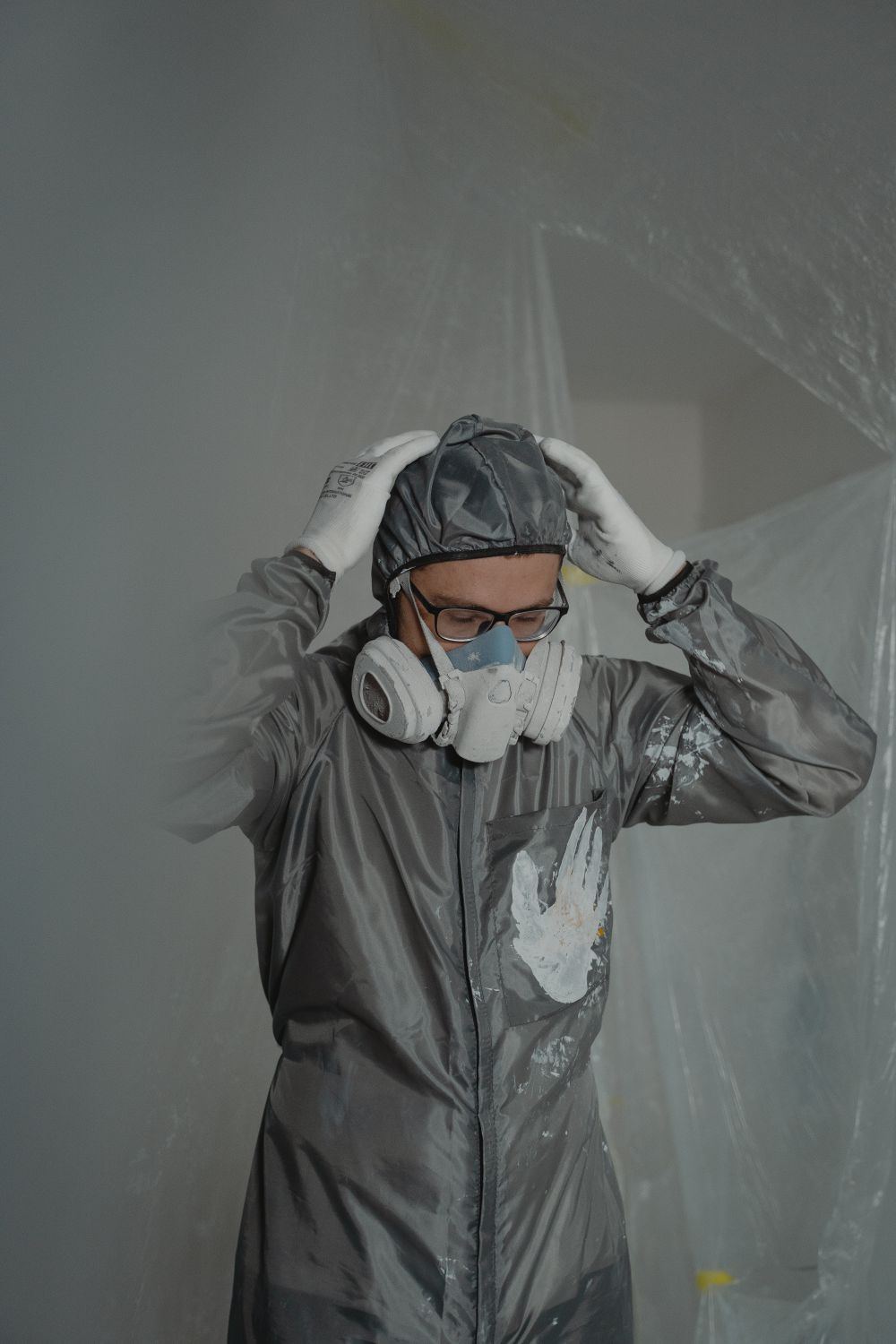
Oklahoma Meth Contamination Law
Oklahoma does not currently have a statewide mandatory decontamination standard for meth-contaminated properties. However, the Oklahoma Bureau of Narcotics maintains the Clandestine Drug Lab Registry, which lists properties with confirmed manufacturing history.
Properties on this registry may face disclosure requirements during real estate transactions. Landlords in Tulsa, Broken Arrow, Sapulpa, Sand Springs, and throughout the metro who knowingly rent a contaminated property face potential liability under Oklahoma negligence law.
The Oklahoma Department of Environmental Quality oversees disposal of materials removed during meth remediation. Chemical-contaminated building materials require specialized disposal methods beyond standard construction debris channels.
We answer 24 hours a day. One call starts the process, and a dispatcher sends a crew.
(918) 478-8596Meth Decontamination Areas We Serve
Rural properties in Creek County near Sapulpa, Osage County near Skiatook, and the unincorporated areas around Turley and Sand Springs have historically seen significant methamphetamine activity. Rental properties and foreclosures throughout the metro warrant testing before occupancy.
This service is available in every city below. Choose your city for local response details, community resources, and services in your area.
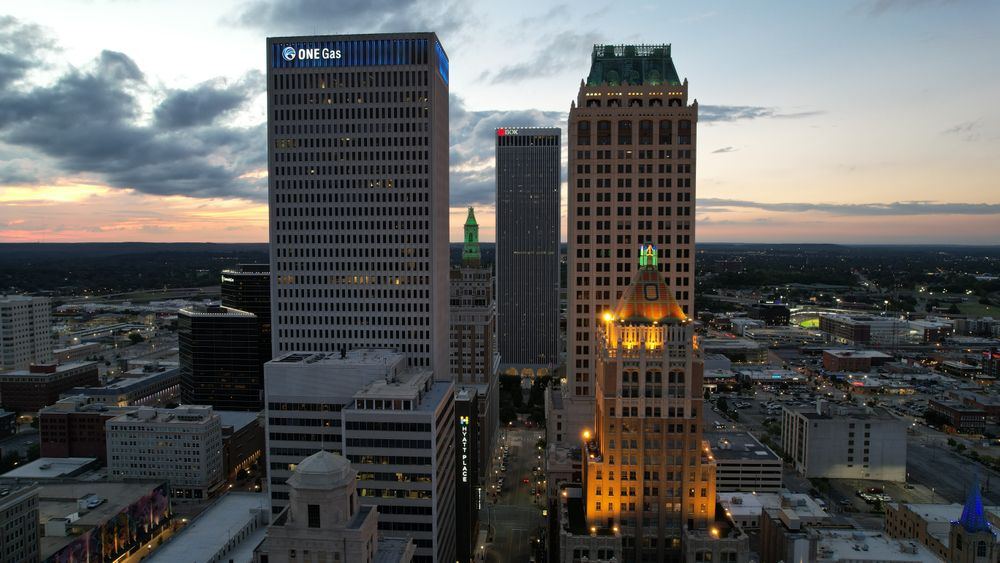 TulsaBiohazard cleanup in Tulsa
 Broken ArrowBiohazard cleanup in Broken Arrow
 OwassoBiohazard cleanup in Owasso
 BixbyBiohazard cleanup in Bixby
 JenksBiohazard cleanup in Jenks
 Sand SpringsBiohazard cleanup in Sand Springs
 SapulpaBiohazard cleanup in Sapulpa
 GlenpoolBiohazard cleanup in Glenpool
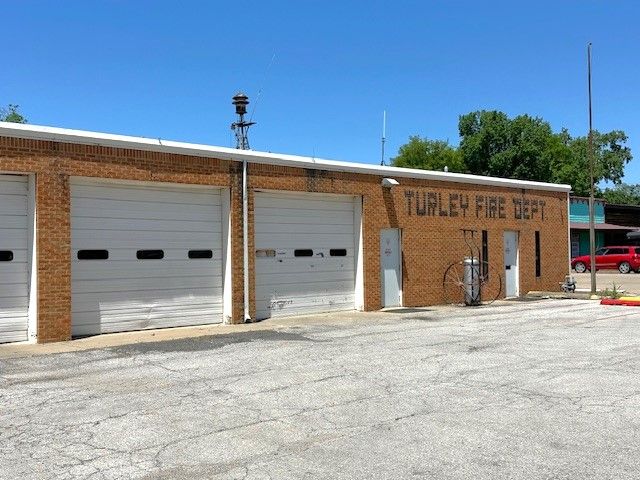 TurleyBiohazard cleanup in Turley
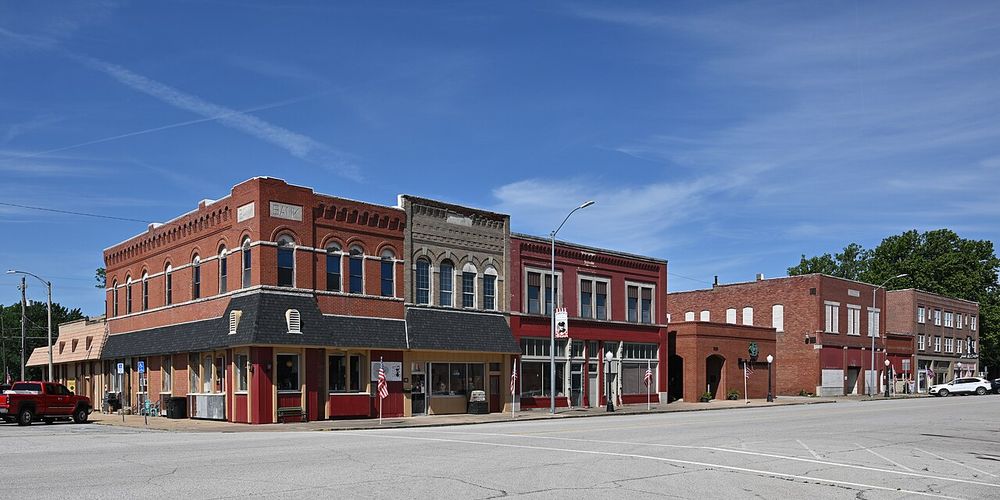 CollinsvilleBiohazard cleanup in Collinsville
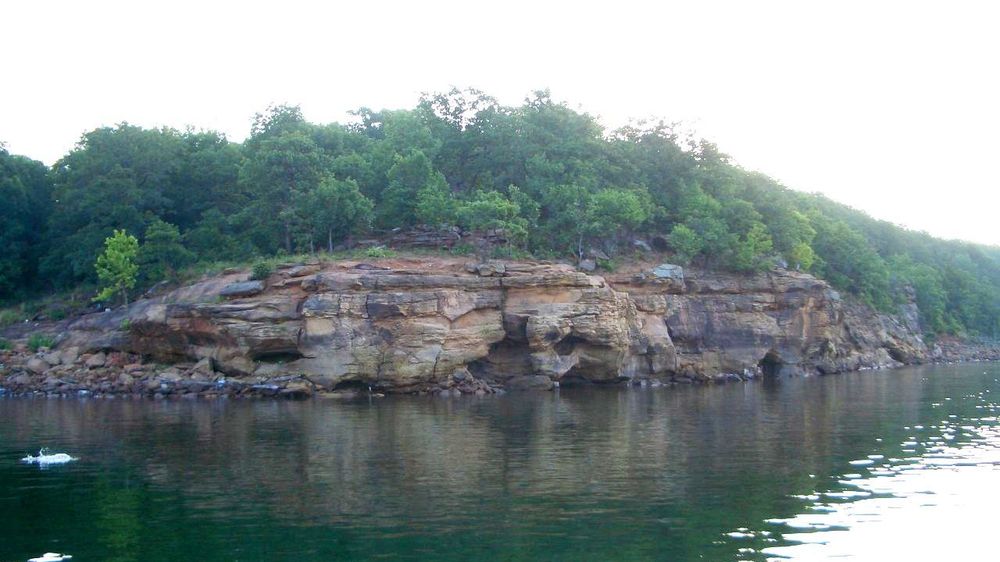 SkiatookBiohazard cleanup in Skiatook
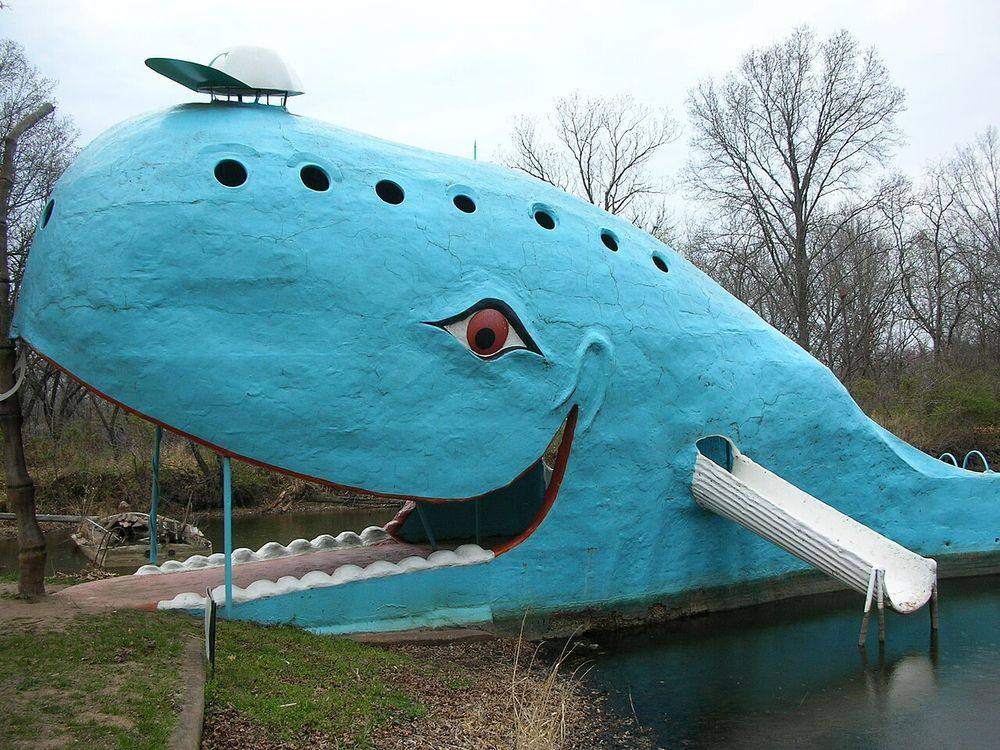 CatoosaBiohazard cleanup in Catoosa
Frequently Asked Questions
Surface swab testing is the only reliable method. Visual inspection cannot identify meth residue. If you suspect contamination, unusual chemical odors, staining around HVAC vents, known drug activity by previous occupants, schedule a test before occupying the property.
Biohazard Cleanup Oklahoma
We answer 24 hours a day.
When you are ready, one call starts the process. A dispatcher assesses your situation and sends a crew.