Who Picks Up Dead Bodies From Homes?
You found someone dead in a home. Maybe a parent who lived alone. Maybe a tenant who stopped answering the phone. Maybe a neighbor whose mail has been piling up for a week.
The shock is immediate. The questions come next: Who do I call? Who takes the body? Who cleans up what is left behind? What happens to the house?
This guide walks through the entire process as it works in Oklahoma, from the first phone call to the final step most people do not know about.

Step 1, Call 911
Even if the person is obviously deceased, call 911. Oklahoma law requires that all deaths be reported. The dispatcher will send law enforcement and emergency medical services to the location.
Do not move the body. Do not touch anything in the immediate area. Do not attempt to clean any biological material. Wait outside the property if possible.

Step 2, Law Enforcement Secures the Scene
Police officers arrive and secure the property. In Tulsa, the Tulsa Police Department responds. In Broken Arrow, BAPD. In unincorporated areas like Turley, the Tulsa County Sheriff’s Office. In Sapulpa, the Sapulpa PD or Creek County Sheriff. In Catoosa, the Catoosa PD or Rogers County Sheriff.
They assess whether the death appears natural, accidental, self-inflicted, or criminal. This determination drives what happens next.
Step 3, The Medical Examiner Investigates
The Oklahoma Office of the Chief Medical Examiner has jurisdiction over all unattended deaths in the state. An unattended death is any death that occurred without a physician present, which includes the vast majority of deaths discovered in homes.
The medical examiner’s investigator responds, examines the body and surroundings, determines whether an autopsy is needed, officially pronounces the death, and authorizes body removal.
In Tulsa County, the regional office of the Chief Medical Examiner handles investigations. In Creek, Rogers, Osage, and Wagoner Counties, the process works the same way through the statewide system.

Step 4, A Funeral Home Transports the Body
The medical examiner does not transport bodies to funeral homes. Once they authorize release, the family selects a funeral home, and that funeral home sends a transport vehicle.
If an autopsy is required, the body goes to the medical examiner’s facility first. After the autopsy, the body is released to the family’s selected funeral home.
We answer 24 hours a day. One call starts the process, and a dispatcher sends a crew.
(918) 478-8596Step 5, The Death Certificate
The Oklahoma State Department of Health’s Office of Vital Records issues death certificates. The funeral director typically handles the filing process. The medical examiner provides the cause and manner of death.
Families need certified copies for insurance claims, probate proceedings, bank account access, and property transfers.

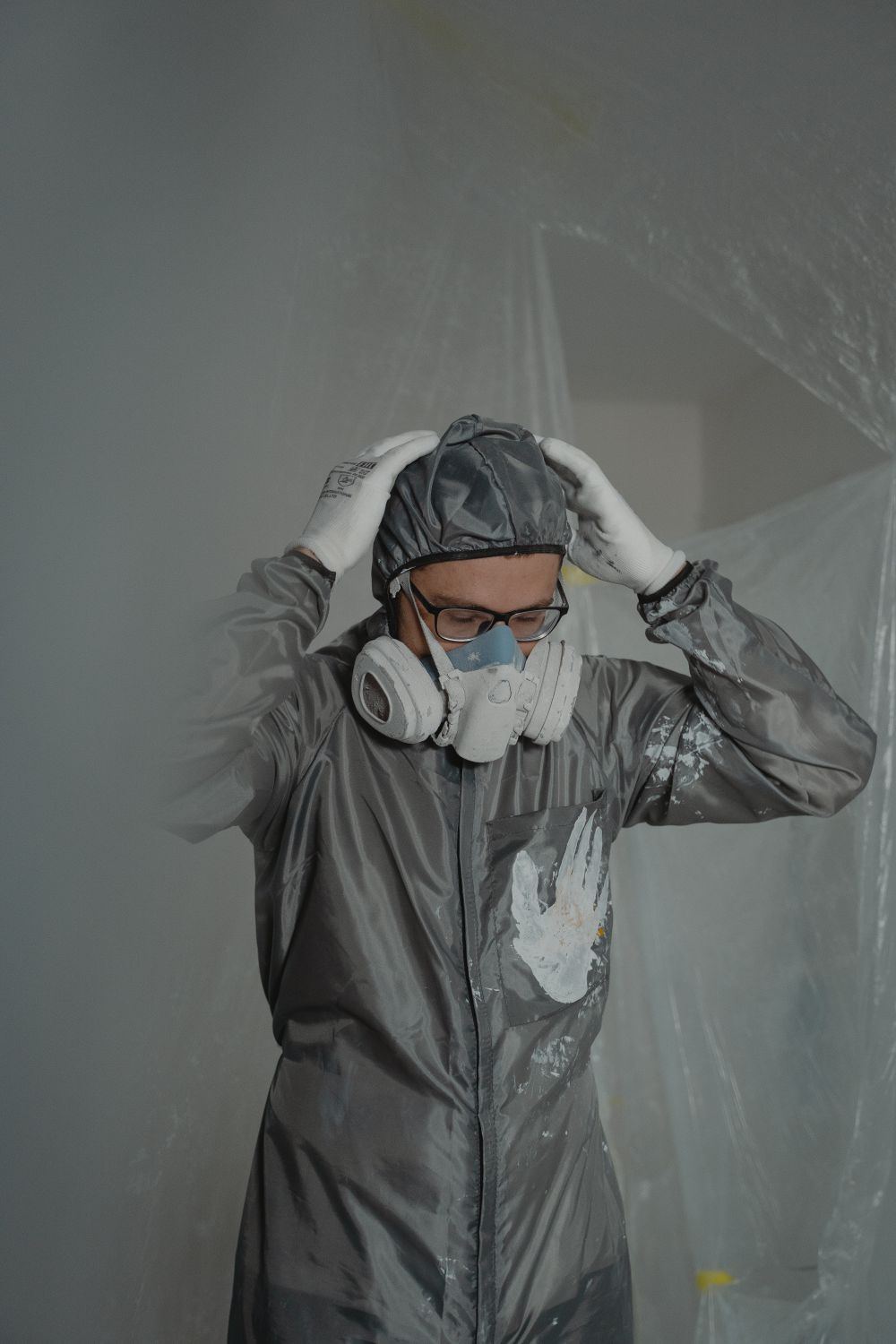
Step 6, The Part Nobody Mentions: Scene Cleanup
Here is what most families do not know until they are standing in the doorway after everyone else has left:
The police do not clean the scene. The medical examiner does not clean the scene. The funeral home does not clean the scene. The fire department does not clean the scene.
The biological material left behind, blood, bodily fluids, decomposition byproducts, remains exactly where it was when the body was removed. It is the property owner’s or family’s responsibility to arrange for cleanup.
If the death was recent and occurred on a non-porous surface without significant blood loss, standard cleaning may be sufficient. But if decomposition has begun, which happens within 24 to 48 hours in Oklahoma’s warm climate, the scene contains biological material that carries bloodborne pathogens and requires professional biohazard remediation.
Signs that professional cleanup is needed: visible staining on carpet or flooring, detectable odor, insect activity, bodily fluids that have spread beyond the immediate area where the body was found.
Who Pays for All of This
Medical examiner investigation, no cost to the family. State funded.
Funeral home transport, included in funeral service costs.
Death certificate copies, $15 per certified copy through the Oklahoma Office of Vital Records.
Scene cleanup, the property owner’s responsibility. Cost depends on the extent of contamination. Many homeowner’s insurance policies cover biohazard remediation. The Oklahoma Crime Victims Compensation Program provides financial assistance for deaths involving criminal activity.
Oklahoma Resources
Oklahoma Office of the Chief Medical Examiner, death investigations statewide
Oklahoma State Department of Health, Office of Vital Records, death certificates
Oklahoma Crime Victims Compensation Program, financial assistance for crime victims and families
988 Suicide and Crisis Lifeline, call or text 988
Oklahoma Department of Mental Health and Substance Abuse Services, grief counseling referrals
For professional biohazard cleanup after a death in the Tulsa metro area, call (918) 478-8596. We serve Tulsa, Broken Arrow, Owasso, Bixby, Jenks, Sand Springs, Sapulpa, Glenpool, Turley, Collinsville, Skiatook, and Catoosa.
Frequently Asked Questions
No. Oklahoma law requires the scene remain undisturbed until law enforcement and the medical examiner authorize body removal.
Biohazard Cleanup Oklahoma
We answer 24 hours a day.
When you are ready, one call starts the process. A dispatcher assesses your situation and sends a crew.