Suicide Cleanup
If you are reading this page because someone you love has died, we are sorry. Nothing about what follows is easy, and we understand that the physical state of the space where this happened is only one part of what your family is dealing with right now.
Our only role is to make that space safe again, quietly, completely, and without adding anything to the weight you are already carrying.
If you or someone you know is in crisis, please contact the 988 Suicide and Crisis Lifeline by calling or texting 988. Trained counselors are available 24 hours a day, 7 days a week.

What Suicide Cleanup Involves
Suicide scenes produce biological contamination, blood, tissue, and bodily fluids, that carries bloodborne pathogens including Hepatitis B, Hepatitis C, and HIV. The type and extent of contamination depends on the method involved and the time that has passed since the death.
Firearm-related scenes produce the widest contamination spread. Blood and tissue can reach walls, ceilings, interior surfaces of HVAC vents, and adjacent rooms. The force involved drives biological material into porous surfaces, drywall, wood, carpet fibers, far deeper than what is visible on the surface.
Scenes involving other methods may present more contained contamination but require equally thorough decontamination. Every surface that came into contact with blood or bodily fluids must be treated or removed, regardless of how small the affected area appears.
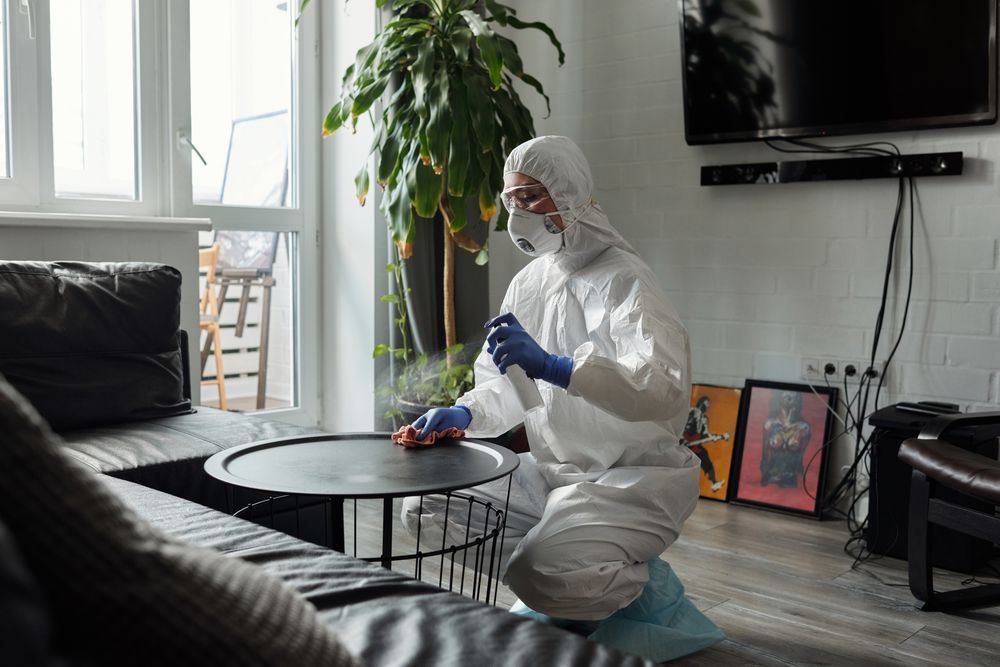
Biohazard remediation after a suicide follows the same Occupational Safety and Health Administration Bloodborne Pathogen Standard (29 CFR 1910.1030) that governs all biological decontamination work. The protocol is identical, what differs is how the work is carried out.
How We Approach Suicide Cleanup Differently
Absolute Discretion
Our vehicles carry no signage, logos, or markings that identify the nature of the work. Equipment is transported in unmarked cases. Crew members arrive without uniforms that indicate biohazard remediation.
We coordinate arrival timing with the family to avoid periods when neighbors, delivery drivers, or visitors are most likely to be present. If the family prefers not to be at the property, we arrange access and provide updates by phone.
The goal is simple: no one outside the family needs to know what happened inside that home. Whether the home is in a quiet Jenks neighborhood, a Bixby subdivision, or an Owasso cul-de-sac, discretion is handled the same way.
Minimizing Contact with the Scene
Families should not enter the affected area before remediation. Seeing the space compounds the emotional trauma of the loss. We ask families to describe personal items they want recovered, photographs, jewelry, documents, and our technicians retrieve them during the cleanup process.
If the family has already entered the space, that is understandable. But further exposure should be avoided. Bloodborne pathogens remain active on dried surfaces for up to seven days, and the scene may contain sharps or other hazards that are not immediately visible.
Working with Funeral Homes and the Medical Examiner
The Oklahoma Office of the Chief Medical Examiner investigates all suicides statewide. The body is not released to the family until their investigation is complete. Our work begins only after the medical examiner has formally released the scene.
We coordinate timing with the funeral home the family has selected. In many cases, we can complete remediation before or during funeral arrangements so the family does not return to an unresolved scene.
The Remediation Process
Assessment Without Family Present
We conduct the initial scene assessment before walking the family through what we find. The first conversation is about what needs to happen and how long it will take, not about what the scene looks like.
Containment and Biological Material Removal
Containment barriers and HEPA-filtered negative air machines isolate the affected area. All biological material, blood, tissue, bodily fluids, is removed along with any porous material it has reached. Carpet, padding, drywall sections, insulation, and ceiling material are cut out where contamination has penetrated.
In firearm-related scenes, projectile paths through walls and ceilings create contamination channels that must be traced and addressed. Each channel is opened, decontaminated, and sealed.
Decontamination and Verification
EPA-registered hospital-grade disinfectants are applied to every surface that remains. The three-step protocol, enzymatic cleaner, rinse, broad-spectrum disinfectant, ensures pathogen elimination on non-porous surfaces.
ATP bioluminescence testing verifies every treated surface. The readings are documented and provided to the family.
Odor Treatment
Scenes involving significant blood loss or decomposition require odor remediation. Commercial-grade hydroxyl generators and thermal fogging equipment break down the volatile organic compounds that produce the smell. This is permanent elimination, not a fragrance overlay.

Suicide Cleanup Cost Estimates
Cost depends on the method involved, the extent of contamination, and how long the scene was unaddressed. Scenes with contained contamination on hard surfaces generally fall on the lower end. Firearm-related scenes involving multiple walls, ceilings, and structural penetration fall on the higher end.
Insurance frequently covers the cost. Call (918) 478-8596 for a private, discreet assessment, a technician evaluates your situation on-site and provides a written estimate before any work begins.
We answer 24 hours a day. One call starts the process, and a dispatcher sends a crew.
(918) 478-8596After the Cleanup, Resources for Oklahoma Families
988 Suicide and Crisis Lifeline, call or text 988, connects individuals to trained counselors, 24/7.
The American Foundation for Suicide Prevention maintains local Oklahoma chapters that offer survivor support groups.
The Oklahoma Department of Mental Health and Substance Abuse Services provides referrals to grief counselors and therapists throughout the state who specialize in trauma and suicide bereavement.
The Oklahoma Crime Victims Compensation Program may provide financial assistance to families in certain circumstances, administered through the Oklahoma District Attorneys Council.
Homeowner’s and renter’s insurance policies typically cover biohazard remediation regardless of the cause of death. We provide complete documentation for direct submission to your insurance adjuster.

Suicide Cleanup Areas We Serve
We respond discreetly and immediately to homes throughout the Tulsa metropolitan area:
We understand that many families reach out during the hardest moments of their lives. Our dispatchers are prepared for that call, there is no script, no upsell, no pressure. We answer, we listen, and we explain what happens next.
This service is available in every city below. Choose your city for local response details, community resources, and services in your area.
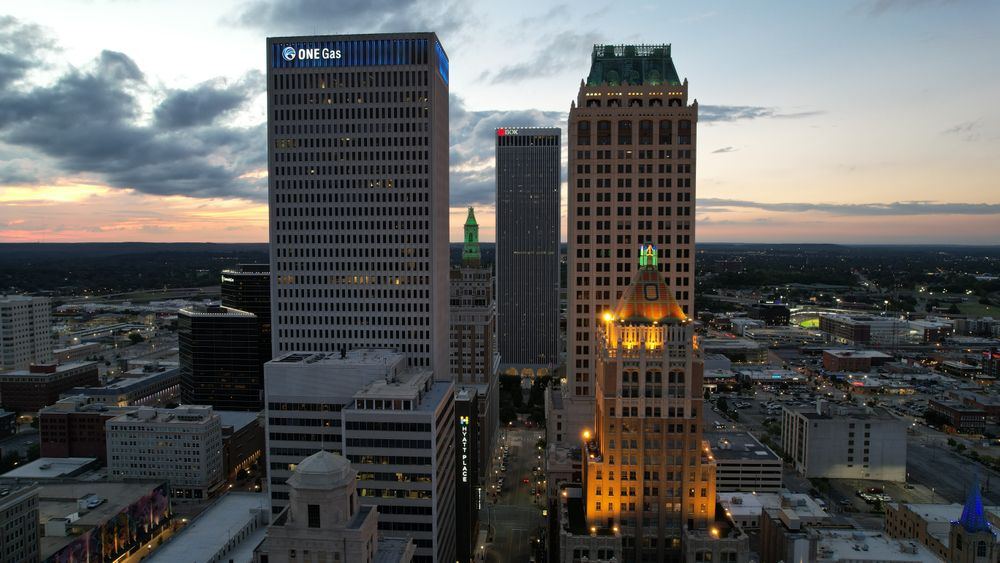 TulsaBiohazard cleanup in Tulsa
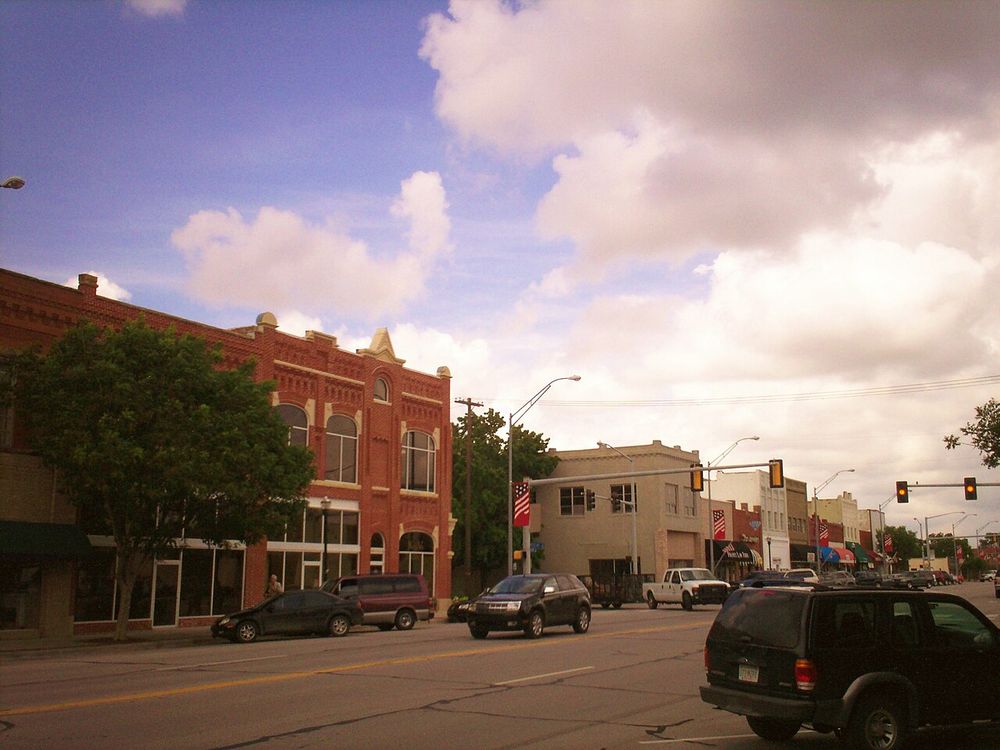 Broken ArrowBiohazard cleanup in Broken Arrow
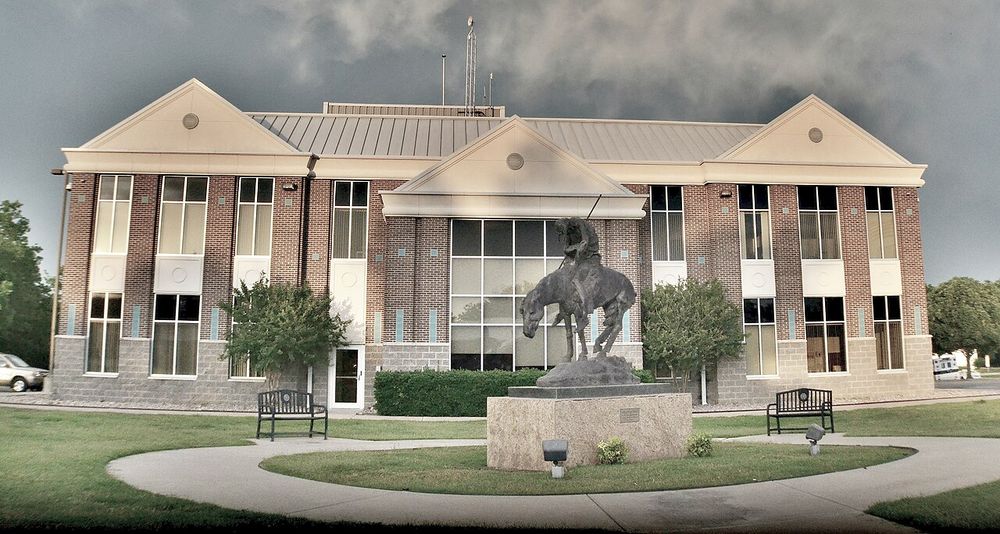 OwassoBiohazard cleanup in Owasso
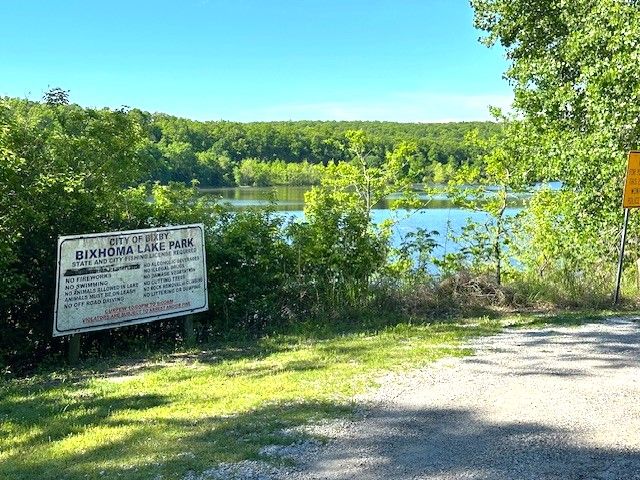 BixbyBiohazard cleanup in Bixby
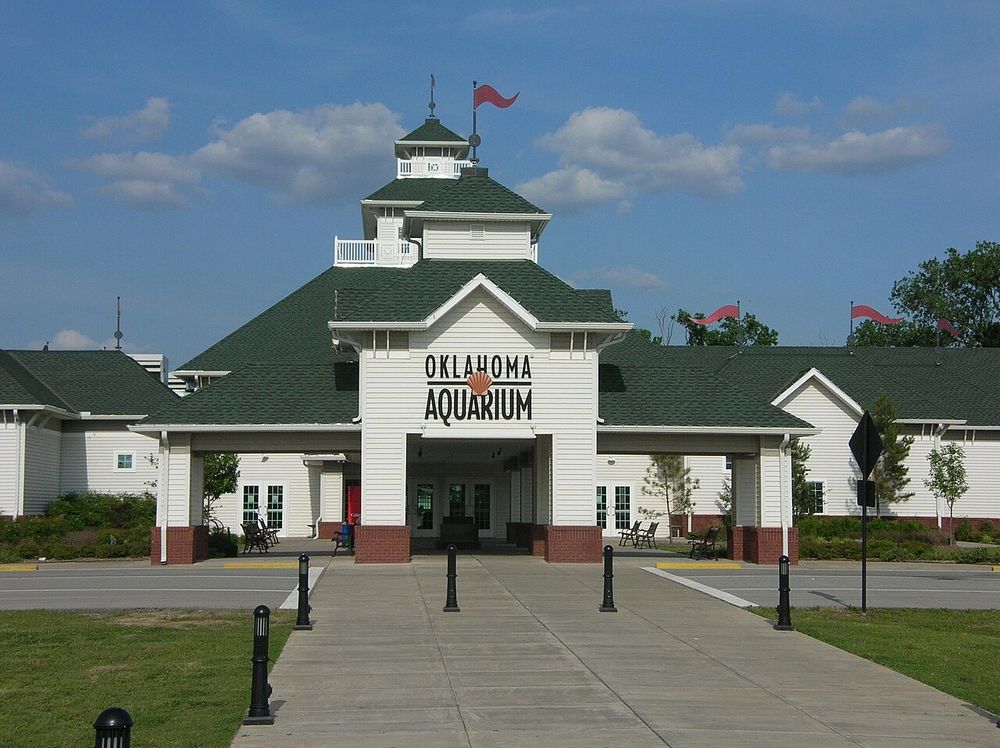 JenksBiohazard cleanup in Jenks
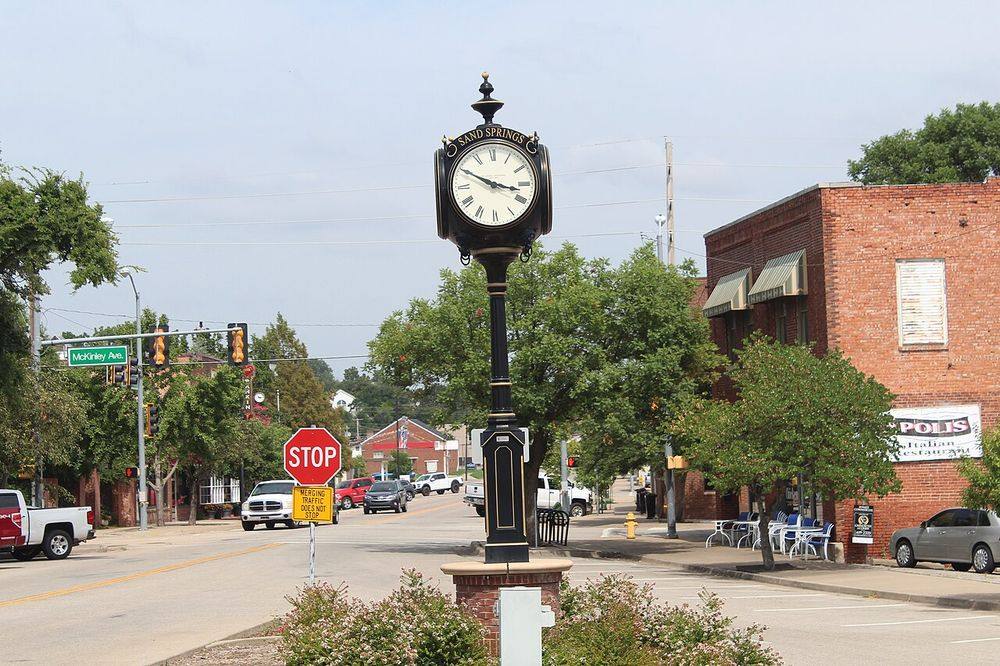 Sand SpringsBiohazard cleanup in Sand Springs
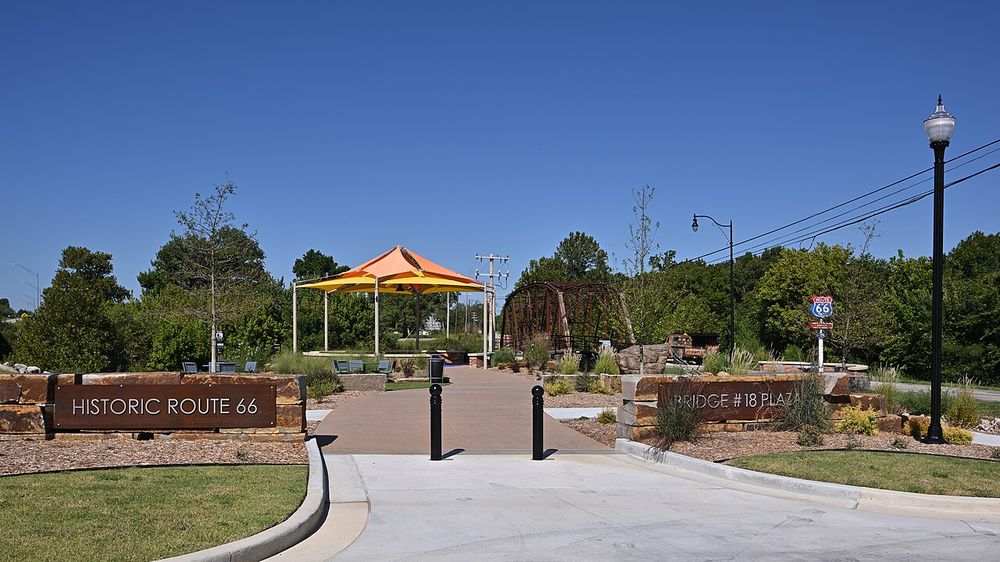 SapulpaBiohazard cleanup in Sapulpa
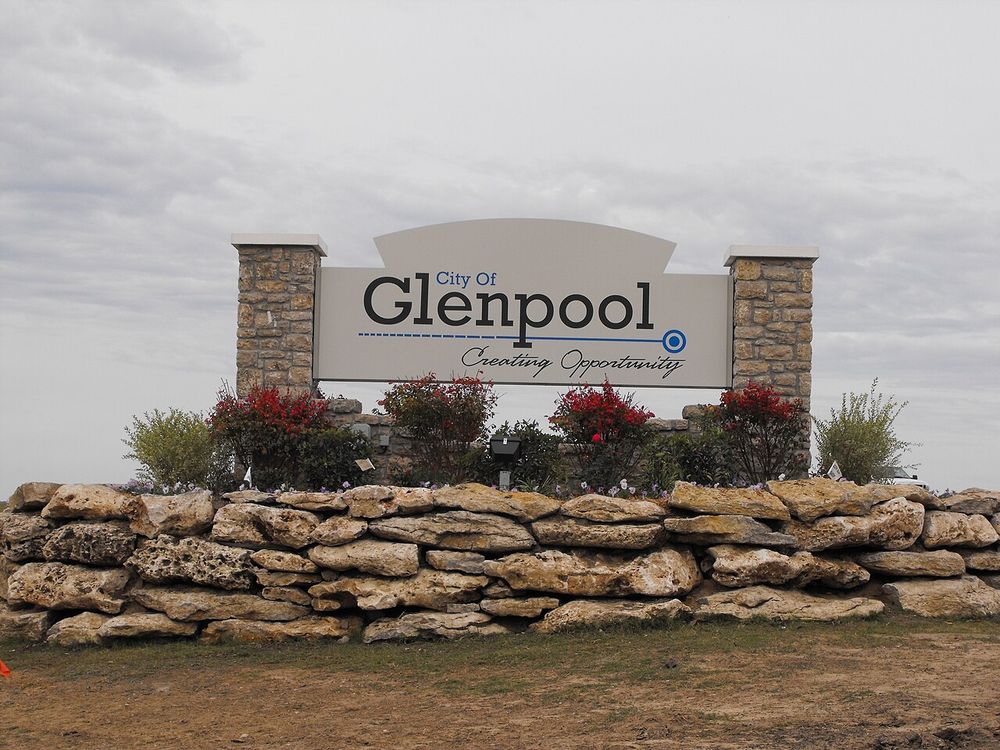 GlenpoolBiohazard cleanup in Glenpool
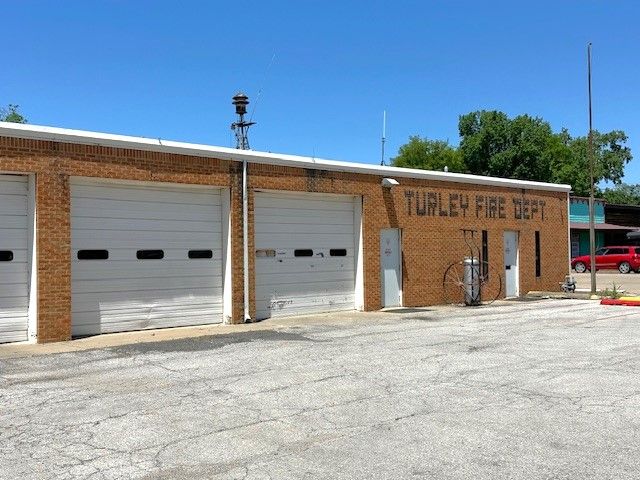 TurleyBiohazard cleanup in Turley
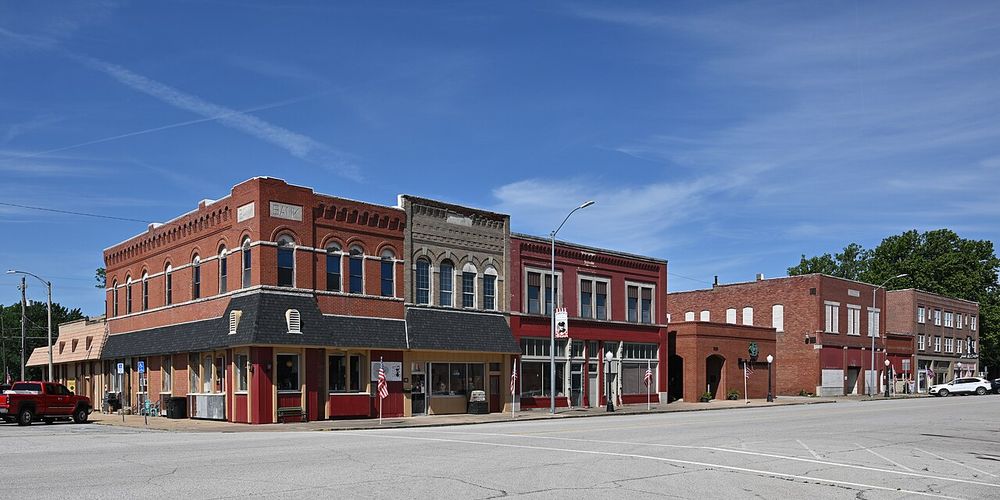 CollinsvilleBiohazard cleanup in Collinsville
 SkiatookBiohazard cleanup in Skiatook
 CatoosaBiohazard cleanup in Catoosa
Frequently Asked Questions
The property owner or the family of the deceased arranges for cleanup. Law enforcement and the Oklahoma Office of the Chief Medical Examiner investigate the death and remove the body, but they do not remediate the scene.
Biohazard Cleanup Oklahoma
We answer 24 hours a day.
When you are ready, one call starts the process. A dispatcher assesses your situation and sends a crew.