Unattended Death Cleanup
A neighbor noticed the smell. Or the mail carrier saw packages piling up. By the time someone called for a welfare check, the body had been there for days, sometimes weeks.
What remains after the medical examiner removes the deceased is a scene that no family member should face alone. Bodily fluids have spread. Decomposition has set in. The odor has permeated walls, furniture, and ventilation systems.
What Happens to a Body During an Unattended Death
Understanding the biological process explains why professional remediation is essential, not optional.
Within the first 24 to 72 hours after death, autolysis begins. The body’s own enzymes start breaking down cells from the inside. Skin discolors. Fluids begin to pool in the lowest parts of the body through a process called livor mortis.
By day three to five, putrefaction accelerates. Bacteria in the gastrointestinal tract, no longer held in check by the immune system, begin consuming tissue. This produces gases that cause bloating and eventually rupture. Two chemical compounds drive the characteristic odor of decomposition: putrescine and cadaverine, both produced as amino acids break down.
As the body continues to decompose, fluids seep outward. They soak into carpet, penetrate carpet padding, and reach the subfloor. On upper floors, decomposition fluids can migrate through subflooring into the ceiling of the room below. On concrete slabs, they spread laterally, following cracks and expansion joints.
In Oklahoma, where summer temperatures regularly exceed 100°F, this entire timeline compresses. A death undiscovered for 48 hours in a Tulsa apartment during July produces contamination that would take ten days to two weeks in winter. The same acceleration applies to properties in Broken Arrow, Owasso, Bixby, Sand Springs, and every community across the Tulsa metro.
Why Standard Cleaning Cannot Address an Unattended Death
Decomposition contamination is fundamentally different from a blood spill or surface-level biological material.
The fluids involved carry a higher concentration of bacteria and pathogens than fresh blood alone. They contain digestive enzymes that chemically bond to porous surfaces. They produce volatile organic compounds, the gases responsible for death odor, that absorb into drywall paper facing, wood grain, fabric fibers, and insulation.
Bleach kills surface bacteria but does not reach contamination that has penetrated below the surface. It does not neutralize the organic compounds producing the odor. It does not address insect activity, blowflies arrive within minutes of death in warm conditions, and their larvae accelerate tissue breakdown while spreading contamination to surrounding areas.
An unattended death that penetrated the subfloor will produce recurring odor for months or years if only surface cleaning is performed. The contamination must be physically removed.
How We Remediate an Unattended Death Scene
Scene Assessment and Contamination Mapping
Every unattended death is different. A person who died in bed produces a different contamination pattern than someone who collapsed on a tile kitchen floor. Duration, ambient temperature, ventilation, and the surface beneath the body all affect how far contamination has spread.
We map the full extent of contamination before beginning work. This includes areas outside the primary scene, hallways where fluids may have flowed, rooms connected by shared HVAC ductwork, and spaces below the affected floor.
Removal of Contaminated Material
Carpet, padding, and any porous material that bodily fluids have reached are removed. If decomposition fluids penetrated the subfloor, plywood or OSB, affected sections are cut out. Baseboards, trim, and door casings in contact with contamination are removed.
In severe cases where fluids reached structural members, floor joists, wall studs, those surfaces are treated with enzymatic cleaners that break down organic material at the molecular level, followed by antimicrobial encapsulant coatings.
All removed material is double-contained in regulated medical waste bags and transported for disposal under documented waste manifests per Oklahoma Department of Environmental Quality regulations.
Decontamination and Pathogen Elimination
Every remaining surface in the affected area receives EPA-registered hospital-grade disinfectant. Hard surfaces receive a three-step treatment: enzymatic cleaner to break down organic residue, rinse, then broad-spectrum disinfectant application.
ATP bioluminescence testing verifies that every treated surface falls below the threshold for biological contamination. This is the same verification standard used in hospital surgical suites.
Death Odor Elimination
Decomposition odor is not just unpleasant, it is the detectable presence of volatile organic compounds that indicate residual biological material. If you can smell it, contamination remains.
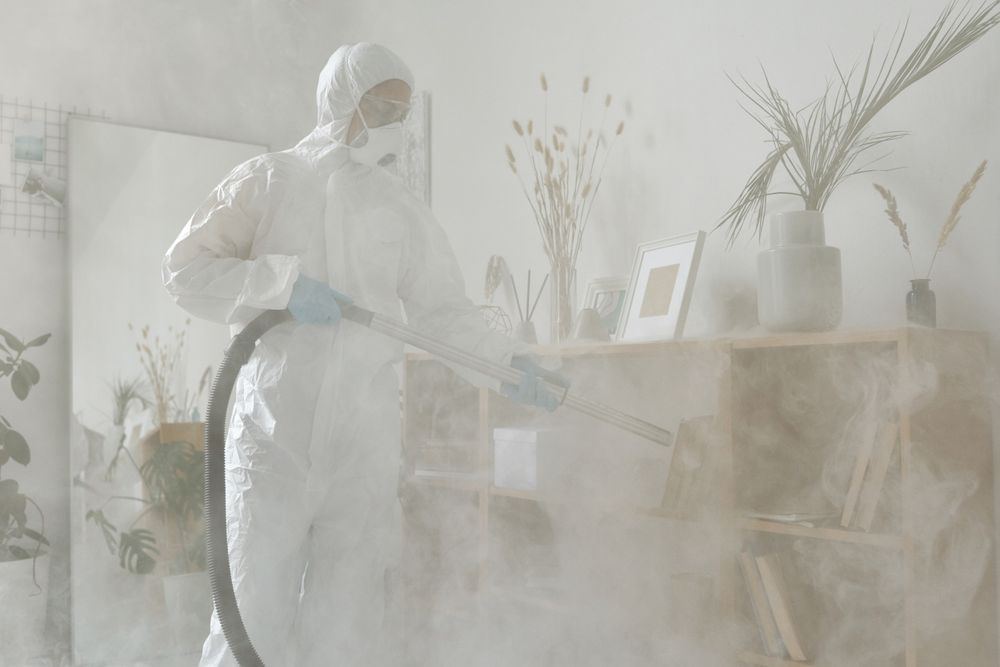
We deploy commercial-grade hydroxyl generators, equipment that produces hydroxyl radicals to oxidize organic compounds in the air and on surfaces. Thermal fogging distributes odor-neutralizing agents into the same porous materials that absorbed the decomposition gases.
This is not masking. Hydroxyl treatment breaks down the odor-producing molecules. Post-treatment air quality testing confirms the space is clear. If odor persists in any area after initial treatment, it indicates source material remains and additional removal is required.
After the Cleanup, What Families Need to Know
Death Certificates and the Oklahoma Medical Examiner
The Oklahoma Office of the Chief Medical Examiner investigates all unattended deaths statewide. Their determination, natural causes, accident, suicide, or homicide, appears on the death certificate. This determination may affect insurance coverage and victim compensation eligibility.
Death certificates in Oklahoma are issued through the Oklahoma State Department of Health’s Office of Vital Records.
Property and Estate Considerations
If the deceased was a tenant, Oklahoma landlord-tenant law governs what happens next. The property owner is responsible for remediation, but costs may be recoverable through the deceased’s estate or insurance.
For homeowners, the estate executor typically authorizes cleanup. We work with estate attorneys, property managers, and families to ensure the process is handled efficiently.
Need help with the belongings left behind? Our estate and death cleanout service handles personal property sorting, donation coordination, and removal after the biohazard remediation is complete.
We answer 24 hours a day. One call starts the process, and a dispatcher sends a crew.
(918) 478-8596Unattended Death Cleanup Cost Estimates
Cost depends on the extent of decomposition and the building materials involved. Scenes discovered within a day or two on hard, non-porous surfaces generally fall on the lower end of the range. Advanced decomposition cases, particularly those left unaddressed for weeks during Oklahoma’s summer heat, involving subflooring replacement, wall cavity remediation, and multi-day odor treatment fall on the higher end.
The primary cost factors are duration of decomposition, ambient temperature exposure, and the type of flooring and subflooring involved. Call (918) 478-8596 for an on-site evaluation, a technician assesses your specific situation and provides a detailed written estimate before any work begins.

Unattended Death Cleanup Areas We Serve
We serve families immediately across the Tulsa metropolitan area:
Tulsa, all 49 zip codes. Single-occupant apartments in east Tulsa and midtown are the most common locations for unattended death discoveries in our service area.
Broken Arrow, 74011, 74012, 74013. Growing retiree population in newer subdivisions.
Owasso, and communities north along US-169 including Collinsville and Sperry.
Bixby, rural properties on larger lots south of 151st Street where extended discovery times are common.
Jenks, significant retiree population and Glenpool along US-75.
Sand Springs, west Tulsa metro. Lakeside properties near Keystone Lake with limited neighbor proximity.
Sapulpa, Creek County seat. Rural Creek County properties with some of the longest discovery times in our territory.
Turley, unincorporated north Tulsa. Lower density increases discovery time risk.
Skiatook, lakeside and rural Osage County properties.
Catoosa, Rogers County, east of Tulsa.
Unattended deaths are disproportionately discovered in single-occupant residences, apartments, and rural properties where neighbors may not notice absence. Time is the single biggest factor in remediation scope, every day that passes deepens contamination.
This service is available in every city below. Choose your city for local response details, community resources, and services in your area.
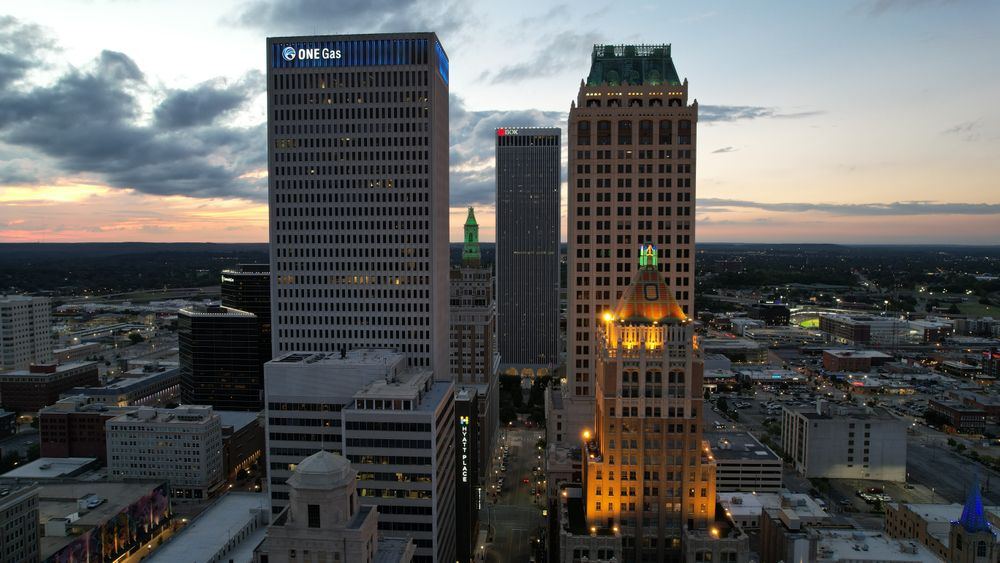 TulsaBiohazard cleanup in Tulsa
 Broken ArrowBiohazard cleanup in Broken Arrow
 OwassoBiohazard cleanup in Owasso
 BixbyBiohazard cleanup in Bixby
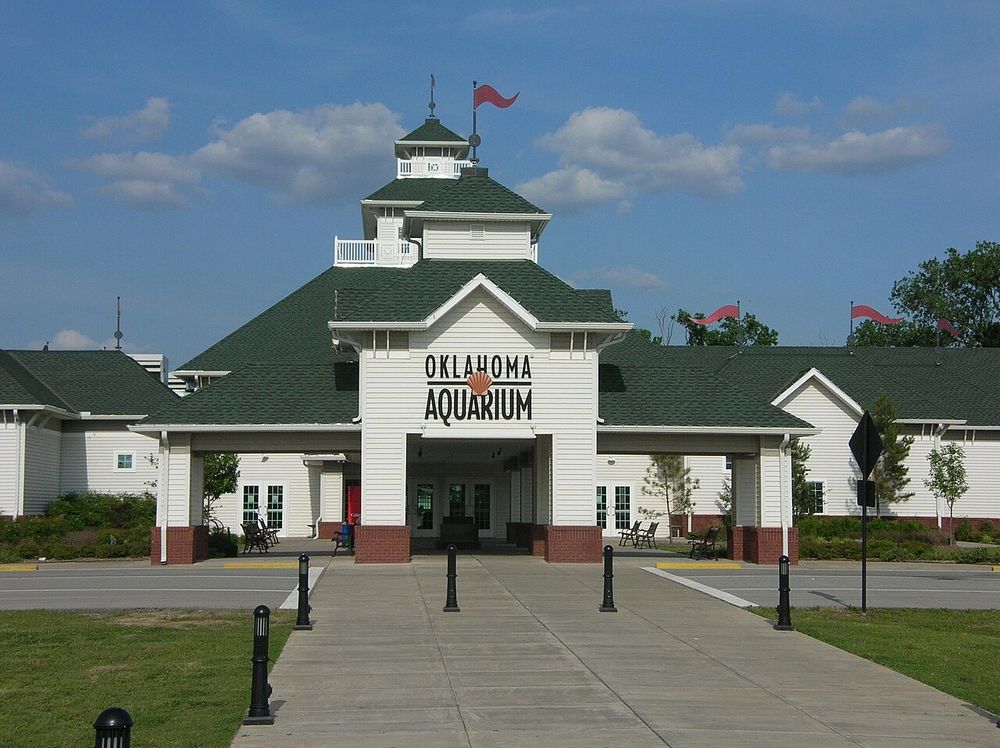 JenksBiohazard cleanup in Jenks
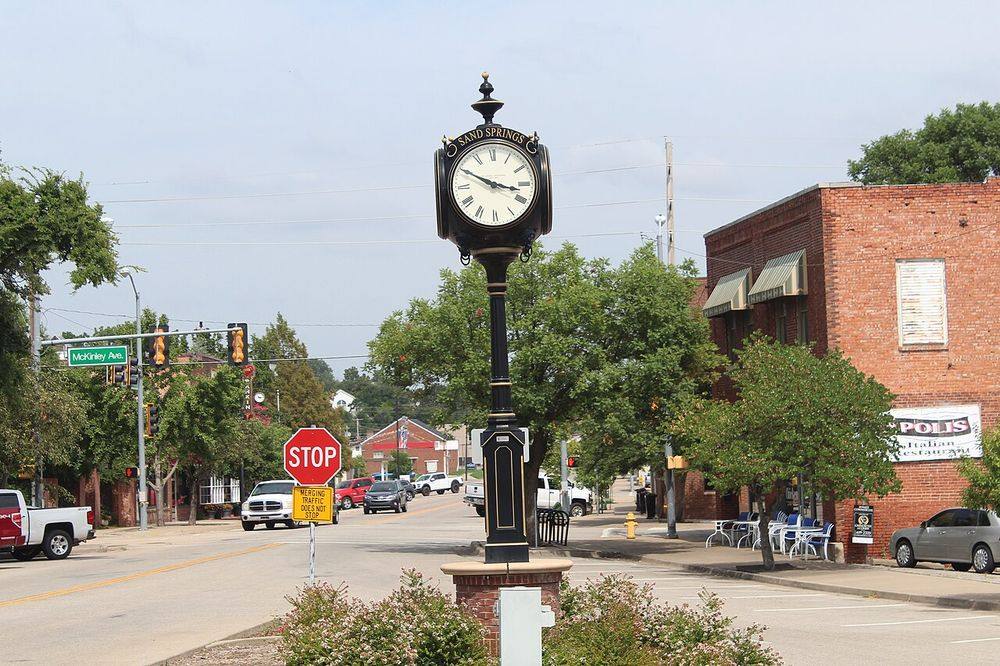 Sand SpringsBiohazard cleanup in Sand Springs
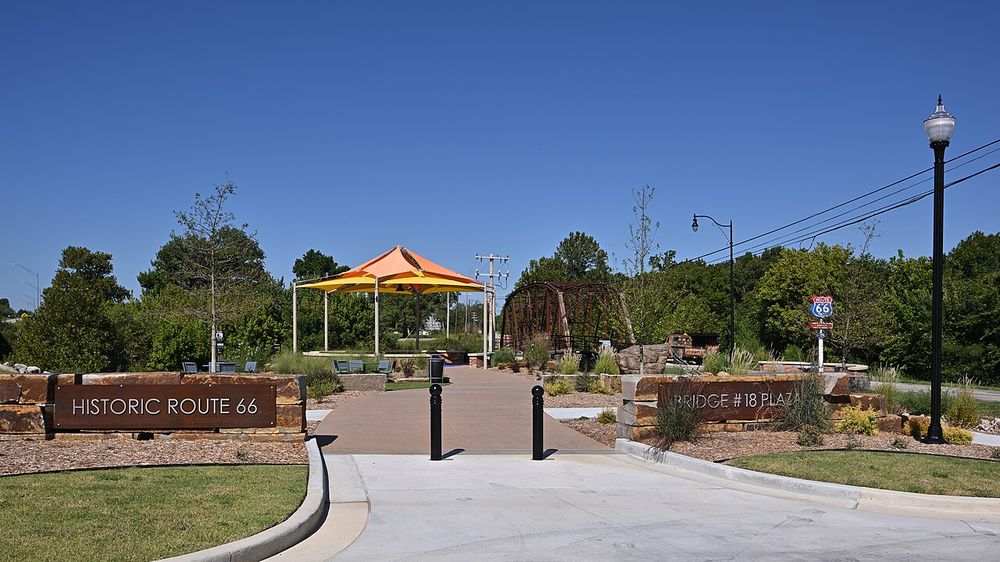 SapulpaBiohazard cleanup in Sapulpa
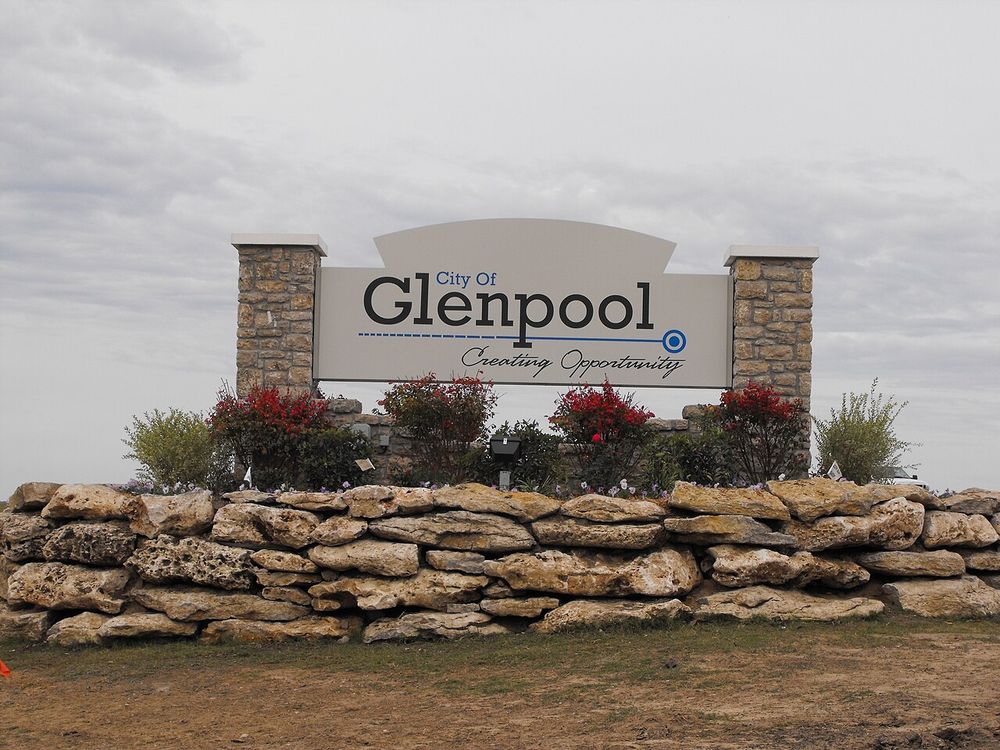 GlenpoolBiohazard cleanup in Glenpool
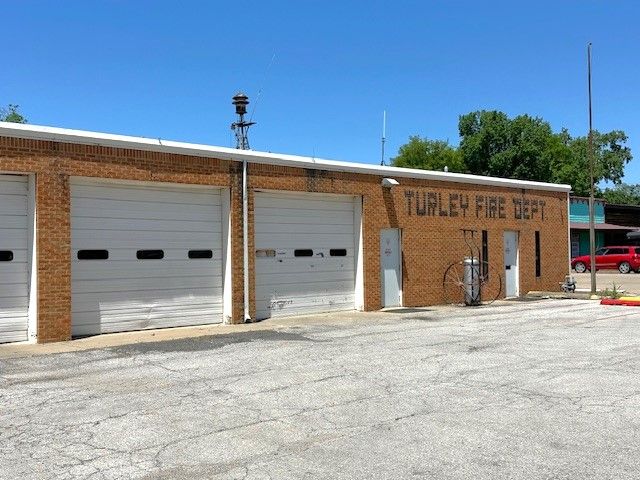 TurleyBiohazard cleanup in Turley
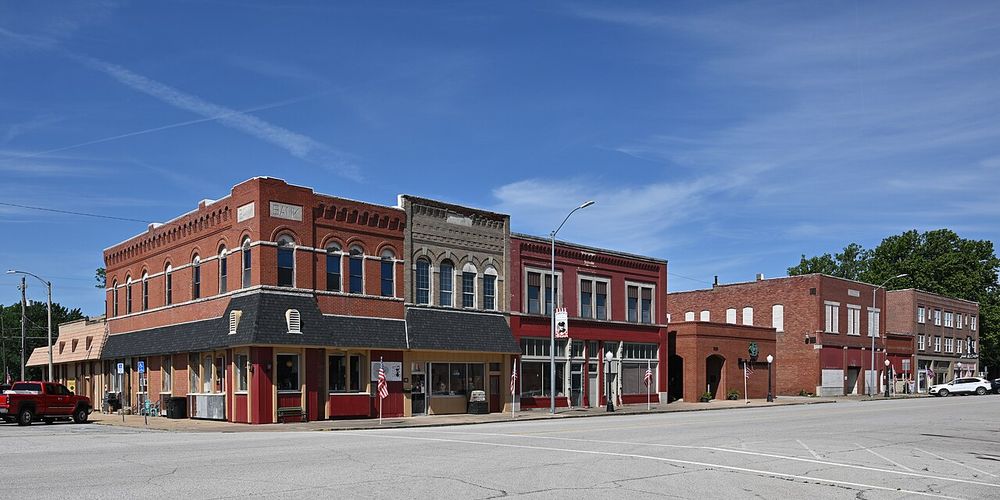 CollinsvilleBiohazard cleanup in Collinsville
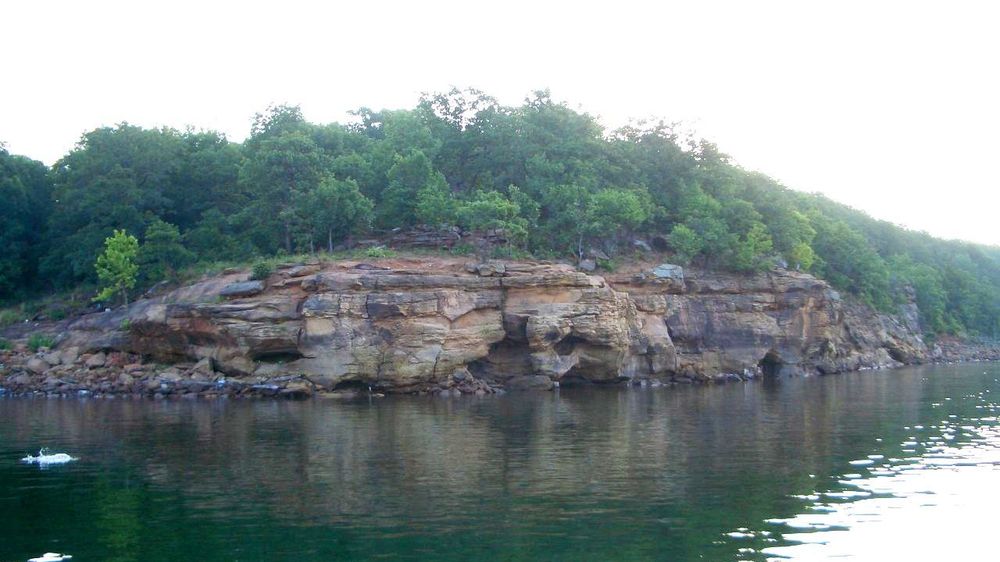 SkiatookBiohazard cleanup in Skiatook
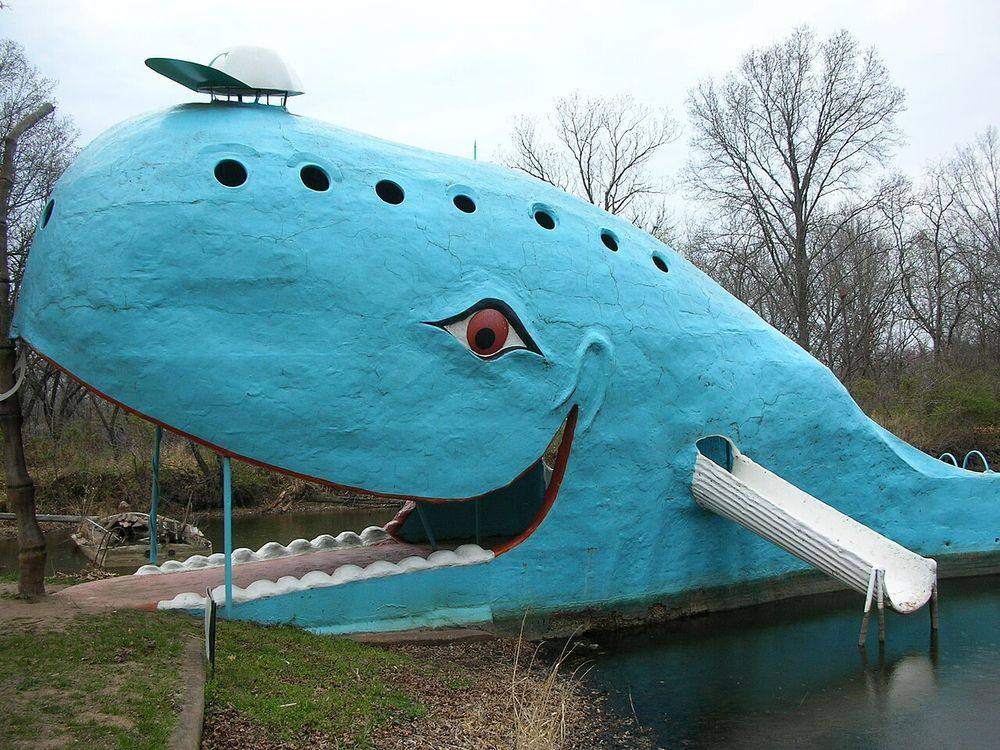 CatoosaBiohazard cleanup in Catoosa
Frequently Asked Questions
The Oklahoma Office of the Chief Medical Examiner has jurisdiction over unattended deaths. They dispatch investigators to determine cause of death and authorize body removal. A funeral home or mortuary service transports the remains at the family’s direction. The medical examiner does not clean the scene, biohazard remediation is arranged separately by the property owner or family.
Biohazard Cleanup Oklahoma
We answer 24 hours a day.
When you are ready, one call starts the process. A dispatcher assesses your situation and sends a crew.