Blood and Bodily Fluid Cleanup
Blood on a tile floor looks like a cleaning problem. Blood that soaked through carpet into the subfloor three days ago is a health hazard governed by federal regulation.
The difference between the two determines whether you need a mop or a biohazard remediation team.
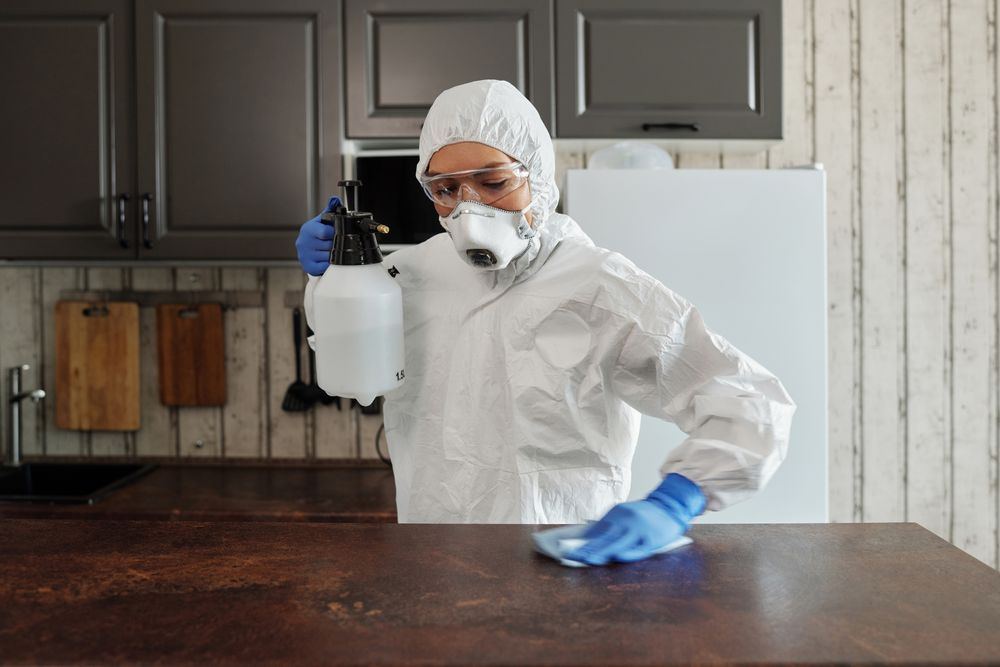
When Blood Requires Professional Cleanup
Not every blood spill needs a biohazard crew. A small cut that leaves drops on a kitchen counter is a household cleaning task. But certain conditions cross the threshold into regulated biohazard territory:
The blood source is unknown. If you do not know whose blood it is, a tenant who moved out, a previous property owner, an unknown trespasser, you cannot know their infectious disease status. OSHA’s Bloodborne Pathogen Standard (29 CFR 1910.1030) treats all human blood as potentially infectious under the principle of Universal Precautions.
The volume exceeds what surface cleaning can address. A pint of blood, roughly what a serious wound produces, saturates approximately four square feet of carpet. Once it reaches the padding and subfloor beneath, surface cleaning cannot reach it.
The blood has dried. Hepatitis B virus survives on dried surfaces for up to seven days at room temperature. Hepatitis C persists for up to four days. Disturbing dried blood without proper containment aerosolizes particles and creates inhalation exposure risk.
Bodily fluids other than blood are present. Cerebrospinal fluid, synovial fluid, pleural fluid, peritoneal fluid, amniotic fluid, and any body fluid visibly contaminated with blood are all classified as potentially infectious under OSHA’s standard.
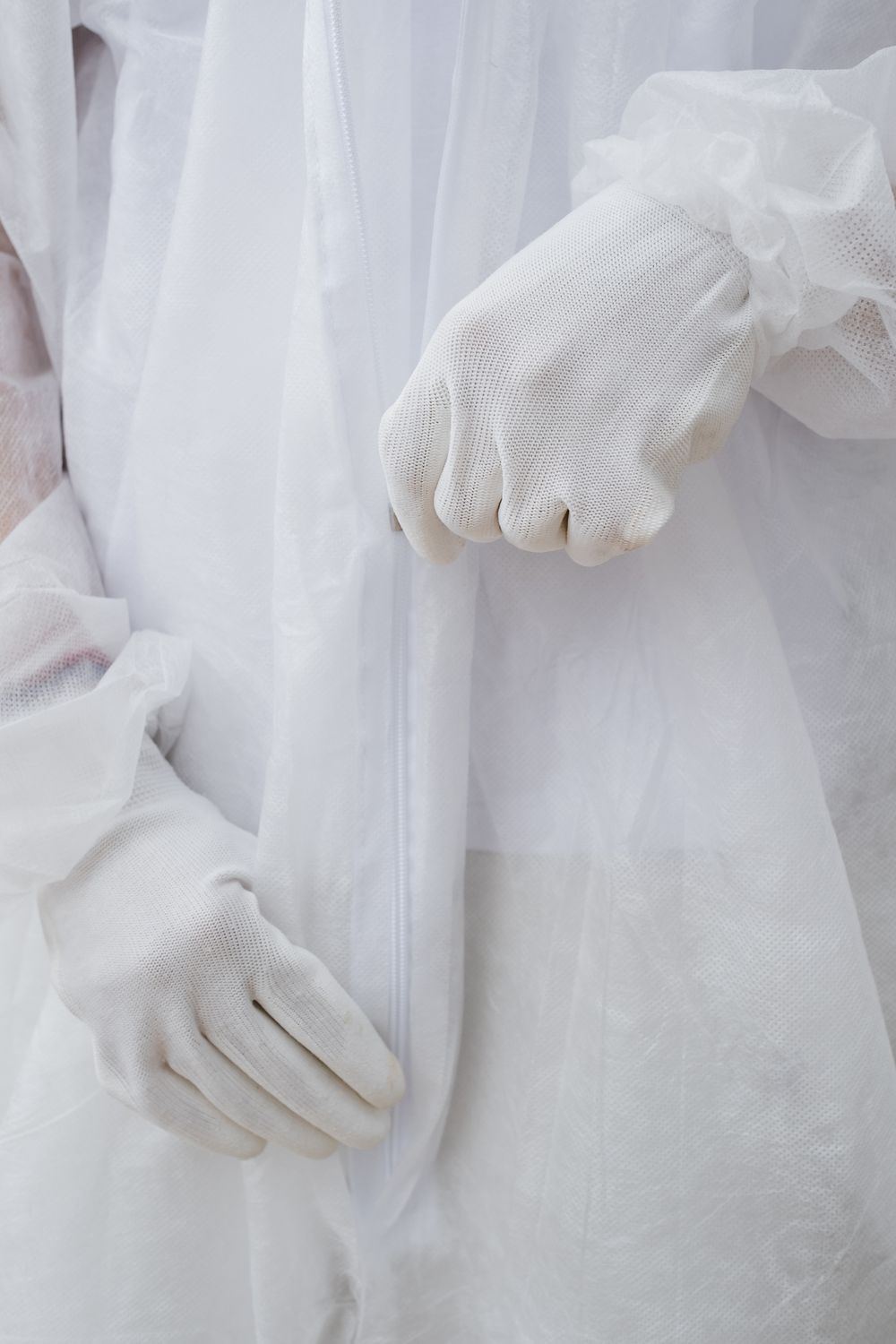
The Science Behind Blood Decontamination
Blood is not a simple liquid. It contains plasma, red blood cells, white blood cells, platelets, and proteins that interact differently with every surface they contact.
On non-porous surfaces, sealed tile, laminate, glass, metal, blood remains largely on the surface and can be effectively decontaminated with EPA-registered disinfectants that carry specific kill claims against bloodborne pathogens.
On porous surfaces, carpet, wood, concrete, fabric, drywall, blood penetrates into the material’s structure through capillary action. The hemoglobin oxidizes and bonds chemically to organic fibers. The pathogen risk comes from the biological material that followed the blood into the material’s interior, unreachable by surface-applied disinfectants.
This is why porous materials contaminated with significant blood volumes must be removed rather than cleaned.
Our Blood Cleanup Protocol
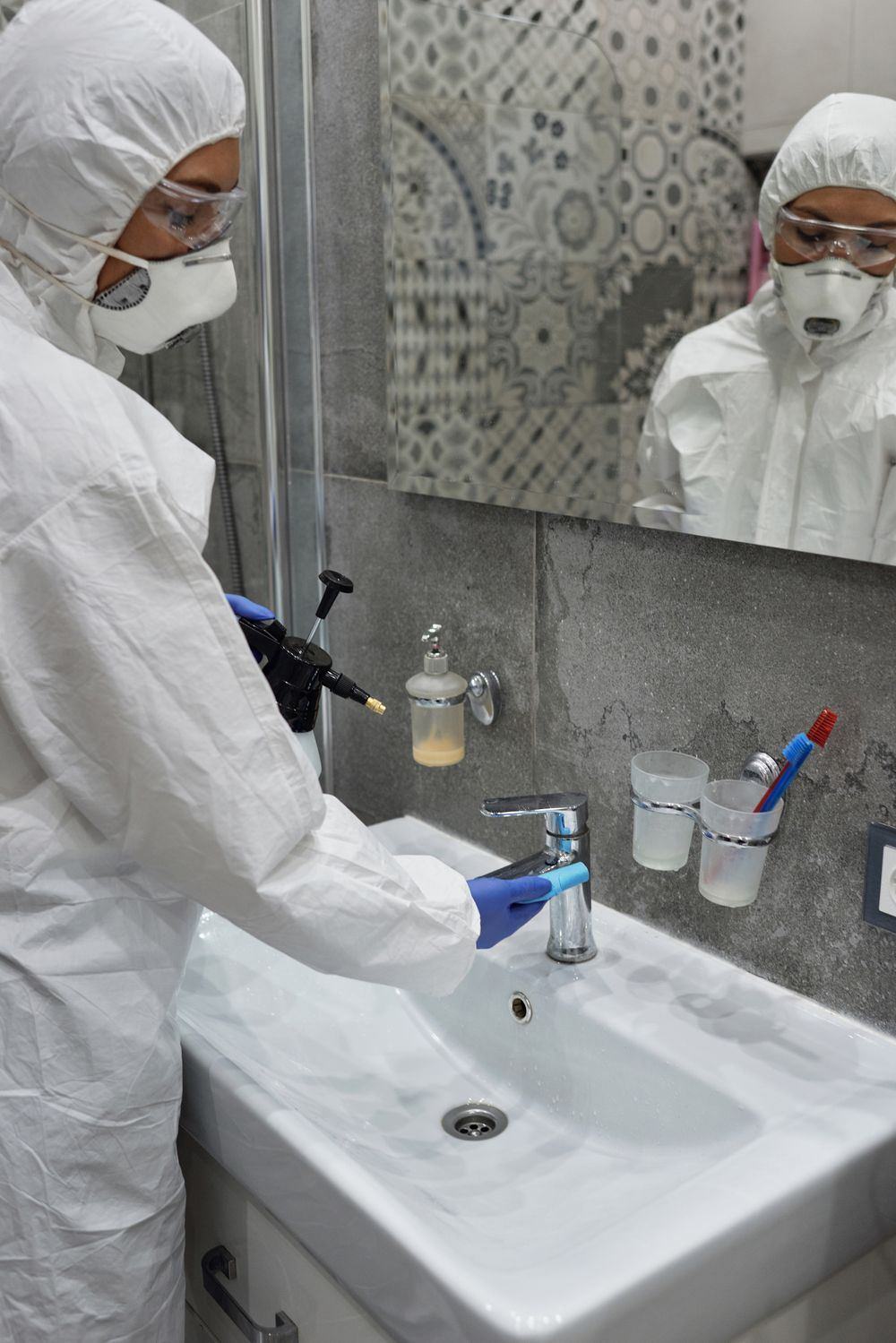
Containment, the work area is sealed using polyethylene sheeting and HEPA-filtered negative air machines.
Material removal, all porous material that blood has penetrated is removed directly into regulated medical waste containers.
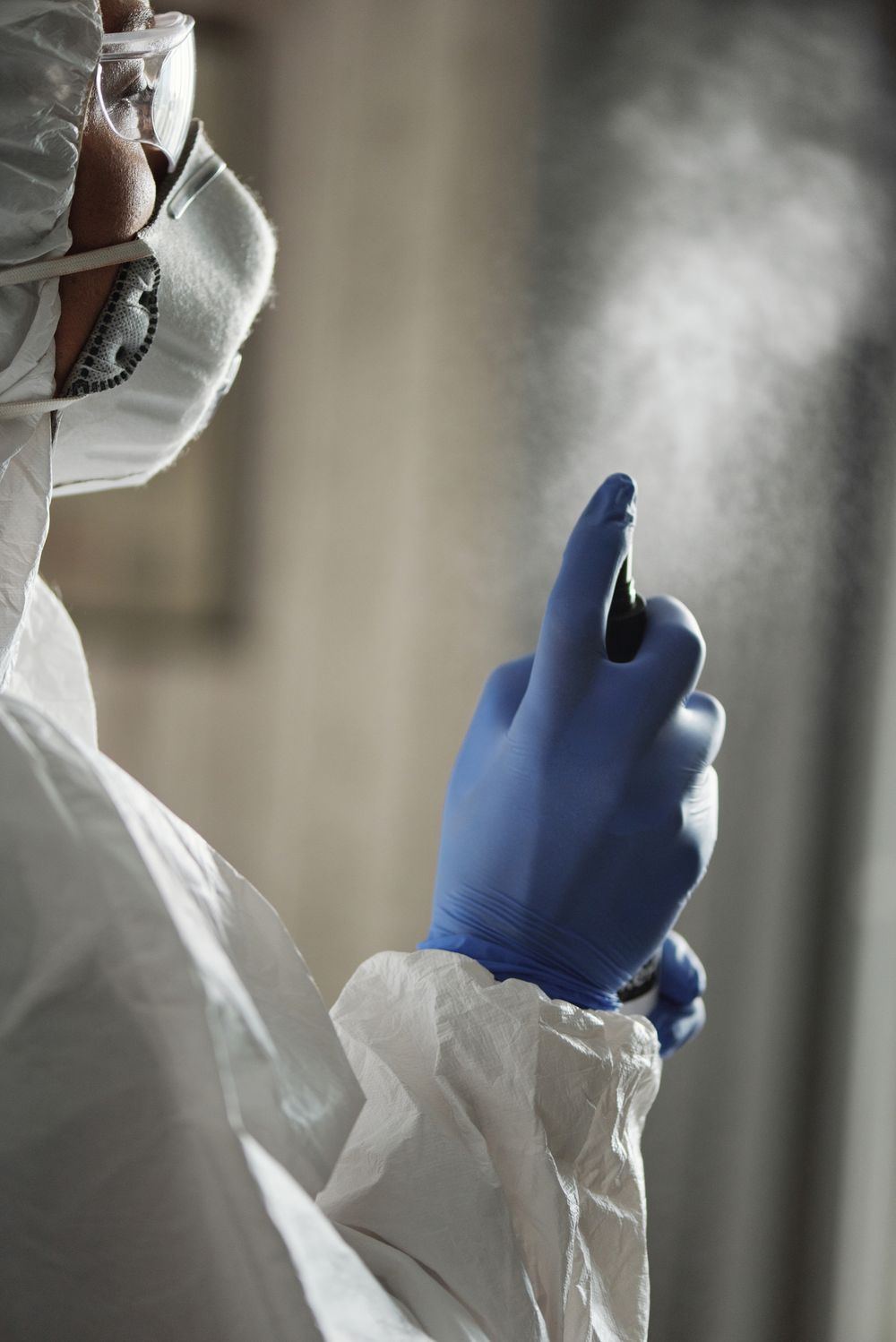
Surface decontamination, three-step treatment: enzymatic cleaner, rinse, EPA-registered hospital-grade disinfectant with documented contact time and specific kill claims against Hepatitis B, Hepatitis C, and HIV.
Verification, ATP bioluminescence testing on every treated surface. Readings documented. Space cleared for re-occupancy only after all surfaces fall below the contamination threshold.
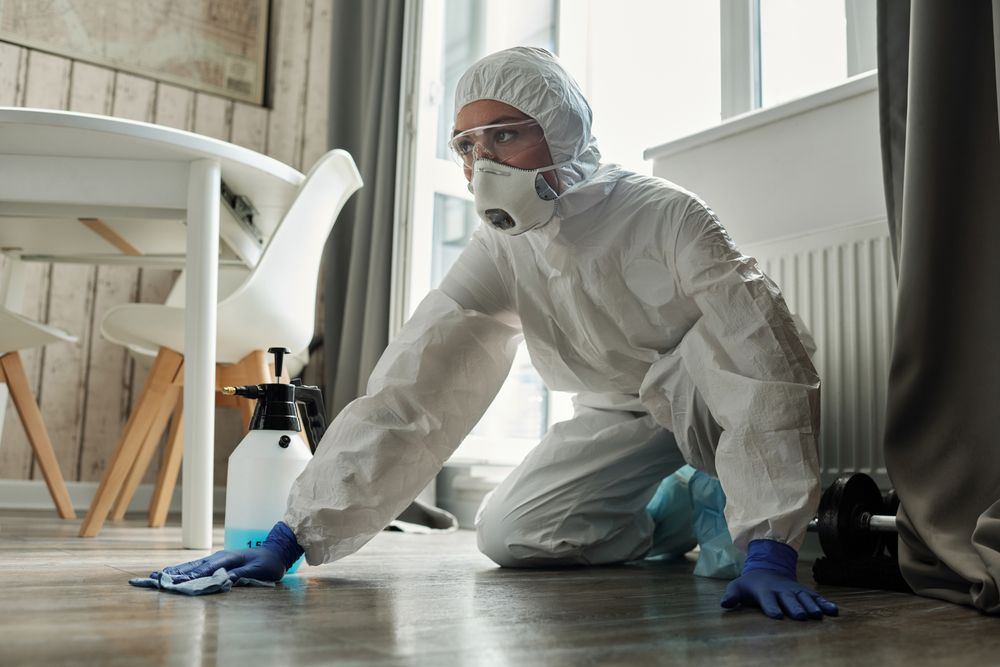
Common Blood Cleanup Scenarios in Oklahoma
Trauma and injury, falls, assaults, self-harm incidents, and accidents producing blood volumes beyond household cleaning capacity. Common across residential properties in Tulsa, Broken Arrow, Owasso, and Bixby.
Property turnover, landlords in Jenks, Glenpool, Sand Springs, and Sapulpa discovering blood contamination after a tenant has vacated. Unknown source blood requires Universal Precautions treatment regardless of apparent age.
Vehicle incidents, blood in vehicle interiors from accidents on the Broken Arrow Expressway, I-44 through Catoosa, or local roads throughout the metro. Upholstery, headliners, and carpet absorb blood rapidly. See our vehicle biohazard cleanup page.
After surgery or medical procedures at home, wound complications, dialysis incidents, or home birth situations producing unexpected blood volumes.
We answer 24 hours a day. One call starts the process, and a dispatcher sends a crew.
(918) 478-8596Blood Cleanup Areas We Serve
This service is available in every city below. Choose your city for local response details, community resources, and services in your area.
 TulsaBiohazard cleanup in Tulsa
 Broken ArrowBiohazard cleanup in Broken Arrow
 OwassoBiohazard cleanup in Owasso
 BixbyBiohazard cleanup in Bixby
 JenksBiohazard cleanup in Jenks
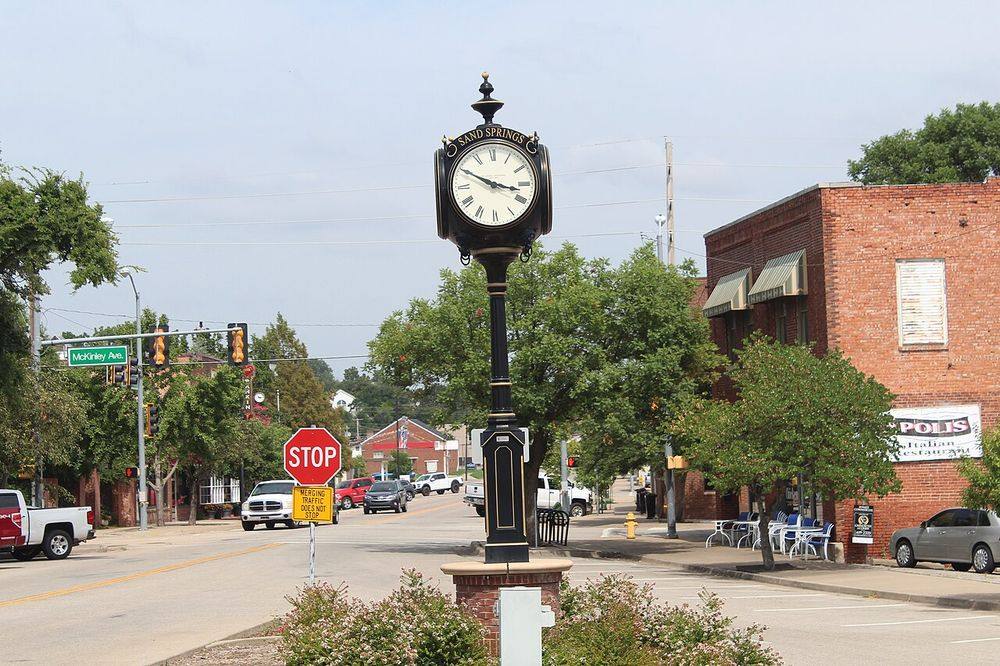 Sand SpringsBiohazard cleanup in Sand Springs
 SapulpaBiohazard cleanup in Sapulpa
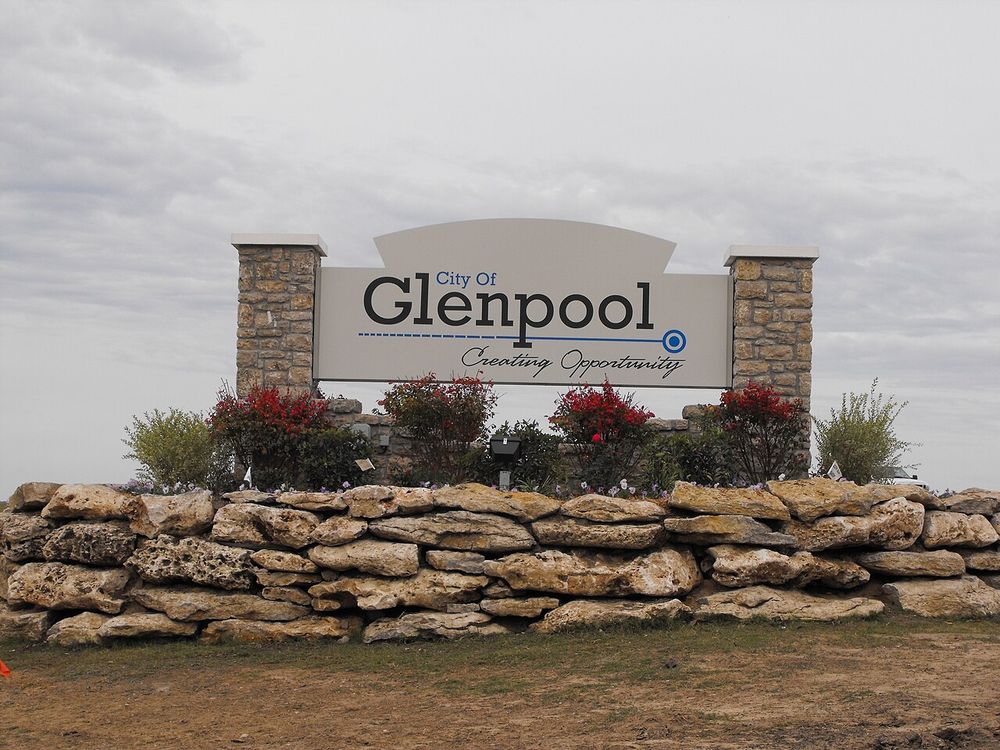 GlenpoolBiohazard cleanup in Glenpool
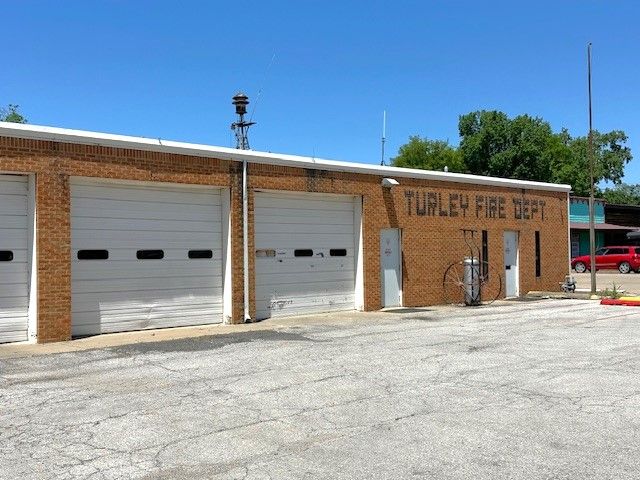 TurleyBiohazard cleanup in Turley
 CollinsvilleBiohazard cleanup in Collinsville
 SkiatookBiohazard cleanup in Skiatook
 CatoosaBiohazard cleanup in Catoosa
Frequently Asked Questions
Bleach can disinfect non-porous surfaces if mixed correctly with adequate contact time. However, bleach degrades after dilution, does not penetrate porous materials, produces toxic chlorine gas when mixed with ammonia-containing products, and damages many surface types. For blood that has reached porous materials, professional remediation with EPA-registered disinfectants and material removal is the only safe method.
Biohazard Cleanup Oklahoma
We answer 24 hours a day.
When you are ready, one call starts the process. A dispatcher assesses your situation and sends a crew.