Crime Scene Cleanup
Law enforcement has left. The forensic team collected their evidence. Yellow tape is down. And the blood is still there, on the walls, in the carpet, pooled beneath furniture that no one has moved.
Police do not clean crime scenes. Neither does the coroner’s office. That responsibility falls on whoever owns or controls the property.
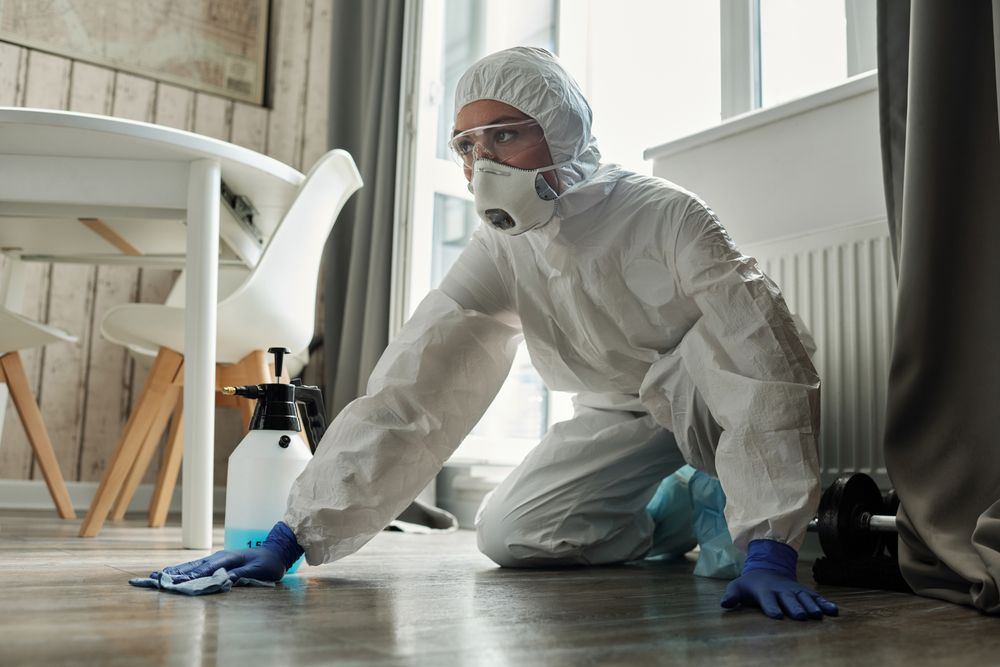
What Happens at a Crime Scene After Police Leave
A crime scene involves biological material that carries bloodborne pathogens, organisms capable of causing disease in humans. The Centers for Disease Control and Prevention classifies blood and certain bodily fluids as potentially infectious, meaning they may harbor Hepatitis B virus, Hepatitis C virus, or Human Immunodeficiency Virus.
Hepatitis B survives on dried surfaces for up to seven days. A crime scene left unaddressed for a week still poses an active infection risk to anyone who enters the space without appropriate personal protective equipment.
Crime scene cleanup, also called forensic cleanup or trauma scene decontamination, is the professional removal of all biological matter from the affected property, followed by disinfection that eliminates pathogens to levels verified through scientific testing. Whether the scene is a home in south Tulsa, a duplex in Broken Arrow, or a commercial property along the I-44 corridor in Sand Springs, the decontamination standard does not change.
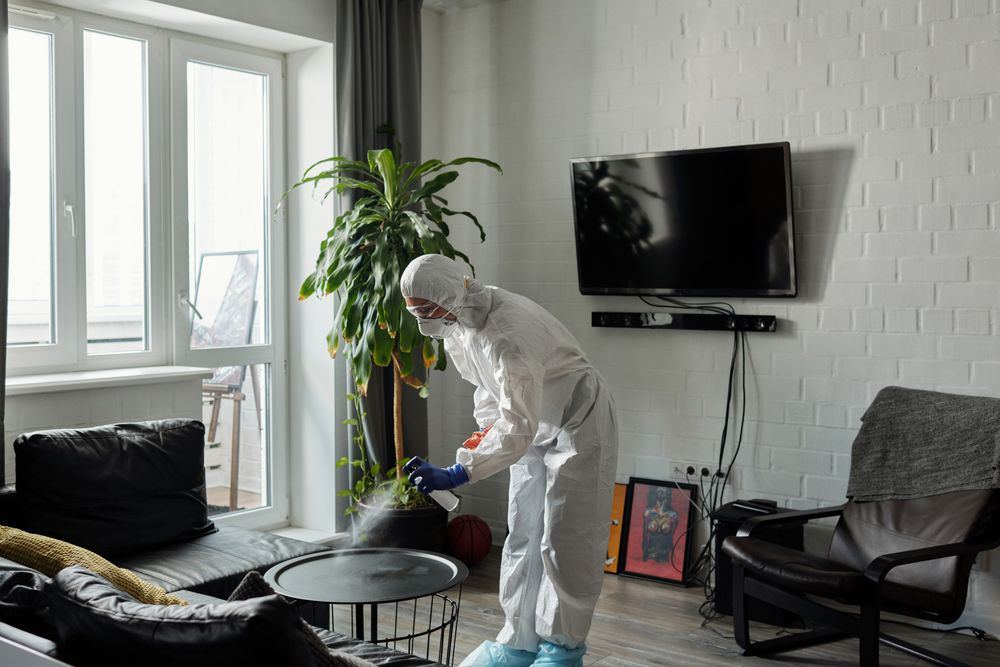
How We Decontaminate a Crime Scene
Identifying the Full Extent of Contamination
Blood follows gravity. A shooting in a second-floor bedroom sends biological material through carpet, carpet padding, subflooring, and into the ceiling of the room below. A stabbing in a kitchen scatters blood across countertops, into grout lines, behind appliances, and inside cabinet crevices.
Our technicians identify contamination beyond what is visible. Presumptive blood detection identifies biological material that has migrated behind baseboards, beneath door thresholds, into electrical outlets, and inside HVAC return vents. What you cannot see is often more dangerous than what you can.
Containment and Controlled Remediation
Before any material is disturbed, containment barriers seal the work area from the rest of the property. HEPA-filtered negative air machines create pressure differential that prevents airborne pathogens from migrating to unaffected rooms.
Contaminated material is removed in layers. Carpet is cut in sections and rolled for containment. Padding underneath is stripped. If blood has reached the subfloor, and in cases involving significant blood loss, it almost always has, affected sections of subflooring are cut out and replaced.
Hard surfaces are treated with a three-step protocol: commercial degreaser to break down biological material, rinse, then application of EPA-registered hospital-grade disinfectant with verified kill claims against Hepatitis B, Hepatitis C, HIV, and a broad spectrum of bacterial and viral pathogens.
Verification That the Space Is Safe
Cleaning is not enough. We verify decontamination through ATP bioluminescence testing, a process that detects organic residue at concentrations invisible to the naked eye. A reading below the established threshold confirms the surface is safe for re-occupancy.
Every remediated surface is tested. Every test is documented. The results become part of your records.
Types of Crime Scenes We Handle
Homicide and Violent Crime
Homicide scenes typically involve the highest volume of biological contamination. Blood spatter from gunshot wounds can cover walls, ceilings, and surfaces across multiple rooms. Blunt force and edged weapon injuries produce concentrated contamination in a smaller area but with deeper material penetration.
We coordinate timing with law enforcement and the Oklahoma State Bureau of Investigation to begin work as soon as the scene is released. In Tulsa County, this means clearance from the Tulsa Police Department’s homicide unit. In Broken Arrow, the BAPD. In Creek County cases involving Sapulpa or Sand Springs, the county sheriff’s office. In cases involving ongoing investigations, we can perform preliminary containment to prevent further spread while preserving the scene for additional evidence collection.
Assault and Battery
Not every crime scene involves a fatality. Aggravated assault, domestic violence, and battery incidents leave biological contamination that poses the same pathogen risk. These scenes are often smaller in scope but require identical decontamination protocols. We respond to assault scenes in residential properties across Owasso, Bixby, Jenks, Glenpool, Turley, Collinsville, and every community in the Tulsa metro.
Vehicle Crime Scenes
Biological contamination in vehicles presents unique challenges. Headliners, seat foam, dashboard crevices, and trunk liners absorb blood rapidly. We perform vehicle biohazard remediation on-site or at a controlled facility, depending on the condition of the vehicle.

Crime Scene Cleanup Cost Estimates
Cost is determined by the scope of contamination, not a flat rate. Three factors drive the estimate:
The size of the affected area, a single room with a contained blood spill is fundamentally different from a multi-room scene.
The type and depth of material contamination, blood on a tile floor that can be decontaminated in place requires less work than blood that has saturated carpet, padding, and subflooring requiring full removal and replacement.
The duration the scene went unaddressed, biological material penetrates deeper into porous materials with every hour that passes.
A contained blood spill on a hard surface in a single room generally falls on the lower end of the cost range. Multi-room scenes involving structural material removal, subflooring replacement, and odor treatment fall on the higher end. An on-site assessment determines the exact scope, call (918) 478-8596 and a technician can evaluate your specific situation and provide a detailed written estimate before any work begins.
We answer 24 hours a day. One call starts the process, and a dispatcher sends a crew.
(918) 478-8596Crime Scene Cleanup and Insurance in Oklahoma
Homeowner’s, renter’s, and commercial property insurance policies frequently cover crime scene remediation under property damage or additional coverage provisions. Automobile insurance may cover vehicle biohazard cleanup depending on the policy.
We prepare itemized documentation for your insurance claim: timestamped photographs of the affected area before and during remediation, a detailed scope of work, an itemized invoice, and waste disposal manifests. This documentation is formatted for direct submission to your adjuster.
The Oklahoma Crime Victims Compensation Program provides additional financial assistance to victims of violent crime and their families. Eligible expenses can include cleanup costs, and the program is administered through the Oklahoma District Attorneys Council.
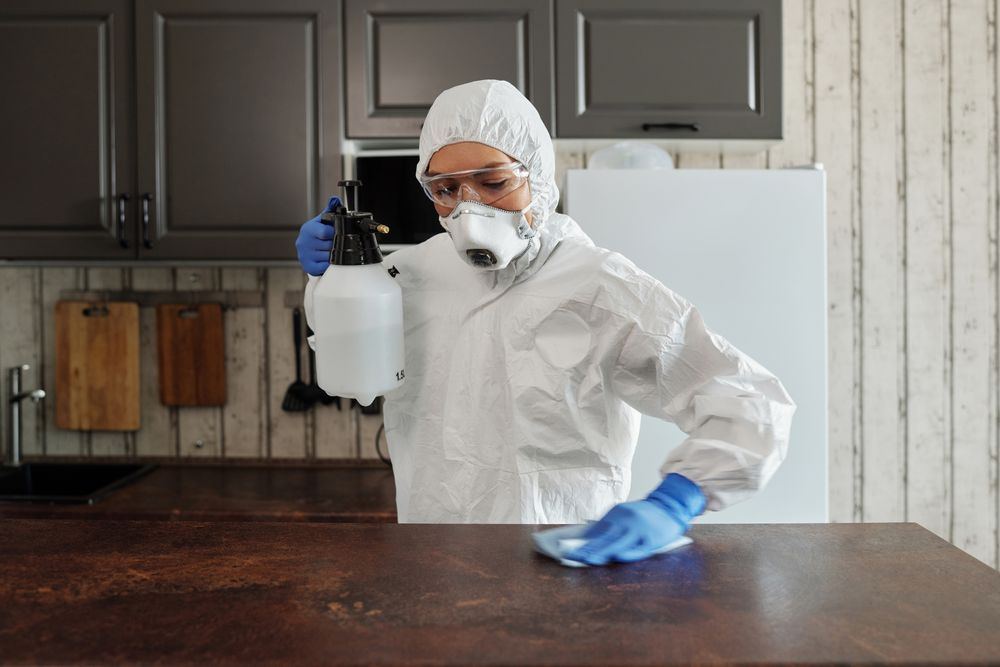
Why the Property Owner Should Not Attempt Cleanup
Exposure risk. Bloodborne pathogens enter the body through mucous membranes, broken skin, or accidental needle-sticks from sharps hidden in debris. Personal protective equipment for biohazard work includes Tyvek coveralls, N95 respirators, face shields, and double nitrile gloves, not household rubber gloves and a dust mask.
Incomplete decontamination. Household bleach does not meet EPA efficacy standards for bloodborne pathogen elimination on porous surfaces. Blood that has soaked into carpet padding, drywall paper facing, or wood subflooring cannot be reached with surface-applied cleaning products. Residual contamination produces odor as it decomposes and attracts insects.
Improper disposal. Biological material from a crime scene is classified as regulated medical waste under Oklahoma Department of Environmental Quality rules. Placing it in household trash violates state regulations. Transport requires a permitted vehicle and documented waste manifests.
Crime Scene Cleanup Areas We Serve
Our crime scene cleanup teams respond immediately across the Tulsa metropolitan area and northeast Oklahoma:
Tulsa, all 49 zip codes including downtown, midtown, south Tulsa, east Tulsa, and north Tulsa
Broken Arrow, 74011, 74012, 74013 including the Rose District and south Broken Arrow
Owasso, and communities north along US-169 including Collinsville and Sperry
Bixby, south Tulsa metro along the Arkansas River
Jenks, including the Riverwalk district and Glenpool along US-75
Sand Springs, west Tulsa metro extending toward Keystone Lake, also covering Lotsee and Mannford
Sapulpa, Creek County seat and surrounding rural properties
Turley, north Tulsa unincorporated area near Mohawk Park
Collinsville, between Owasso and Skiatook near the Osage County border
Catoosa, Rogers County, east of Tulsa near the Port of Catoosa and Route 66
We dispatch crews immediately after your call. Tulsa County locations are reached fastest. Surrounding counties including Creek, Rogers, Osage, and Wagoner are covered the same day.
This service is available in every city below. Choose your city for local response details, community resources, and services in your area.
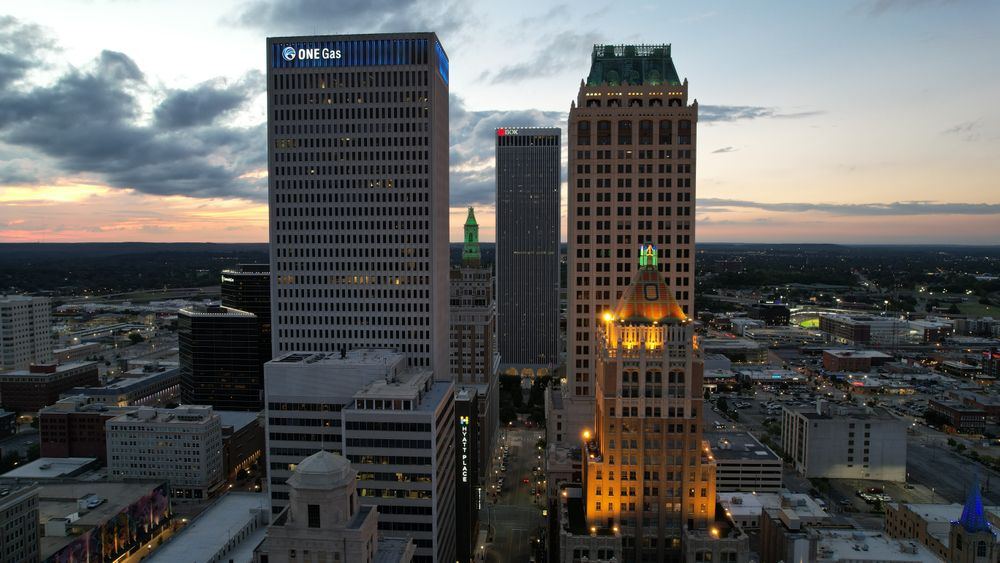 TulsaBiohazard cleanup in Tulsa
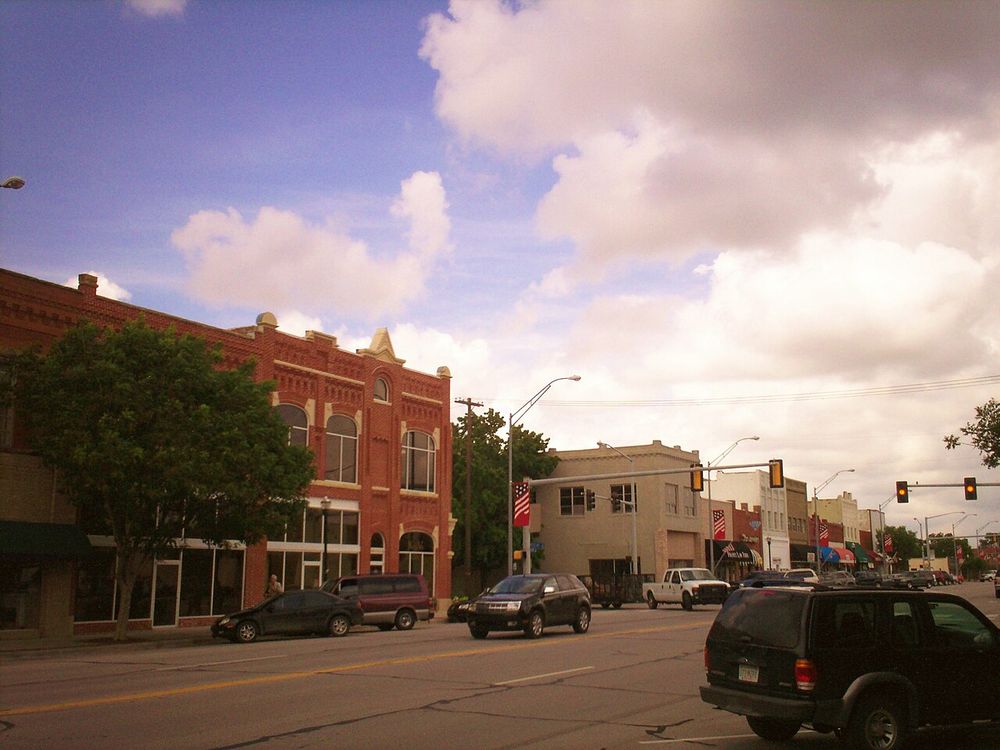 Broken ArrowBiohazard cleanup in Broken Arrow
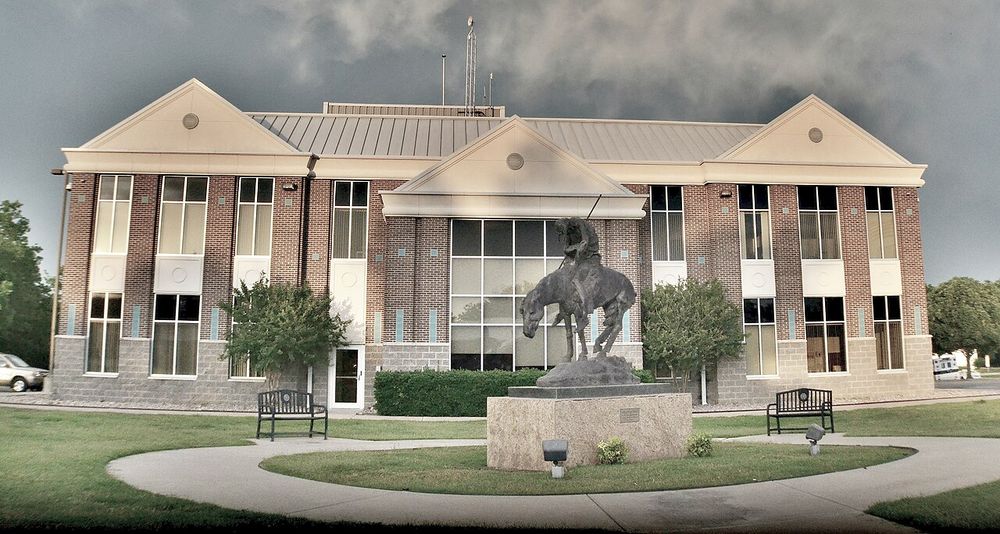 OwassoBiohazard cleanup in Owasso
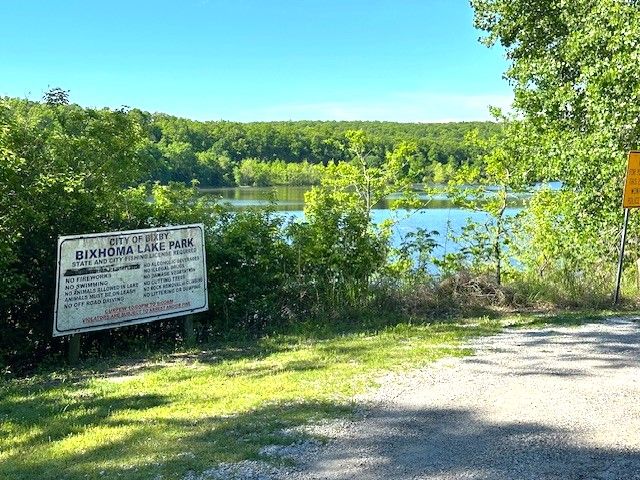 BixbyBiohazard cleanup in Bixby
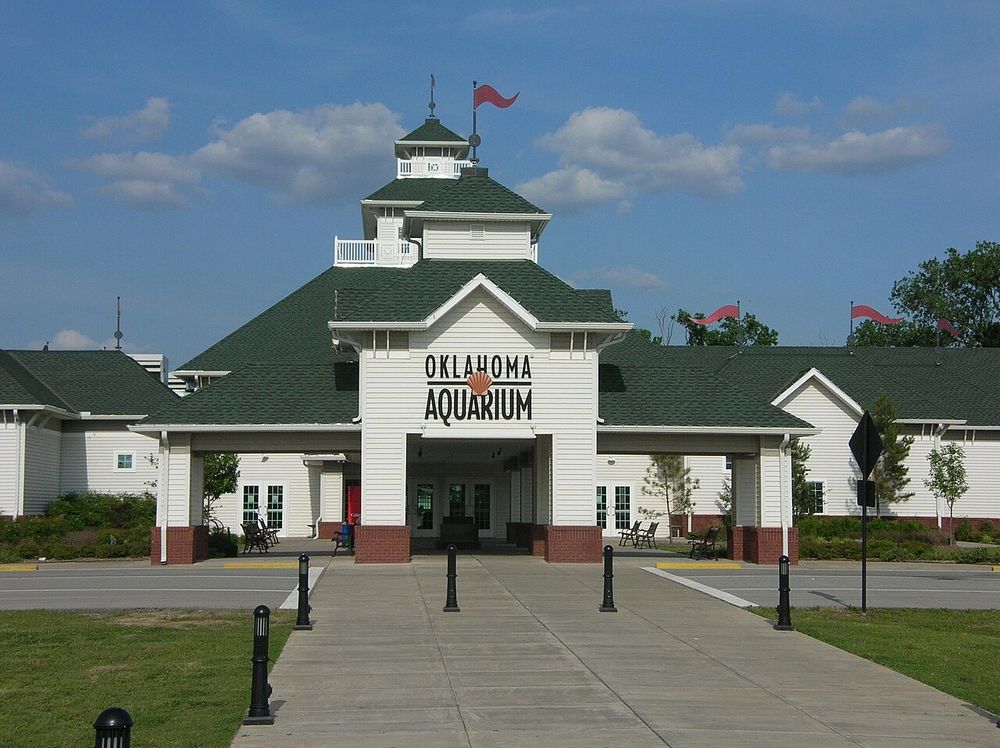 JenksBiohazard cleanup in Jenks
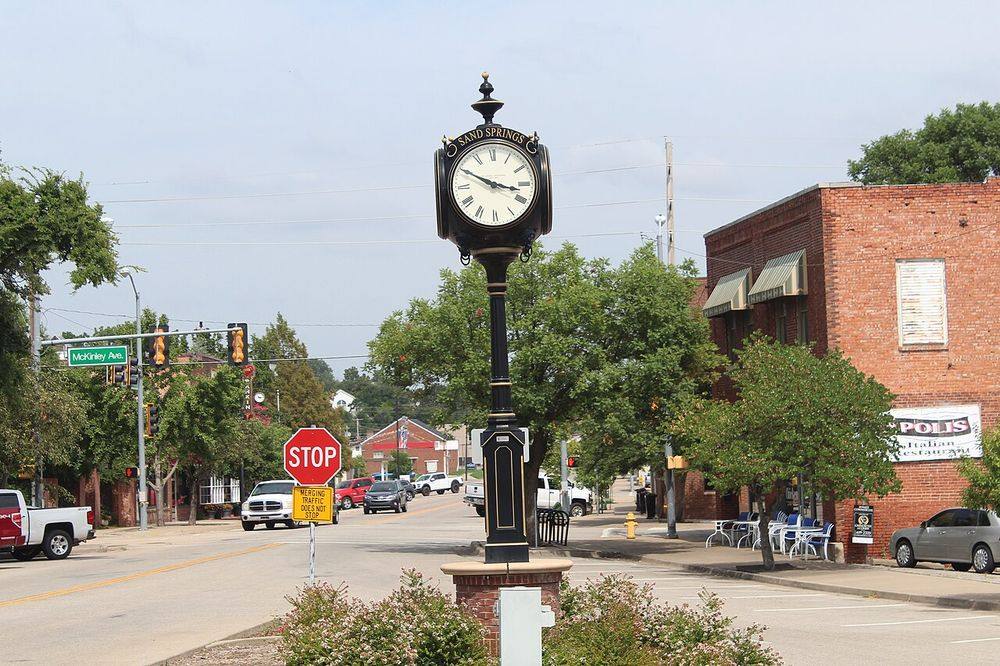 Sand SpringsBiohazard cleanup in Sand Springs
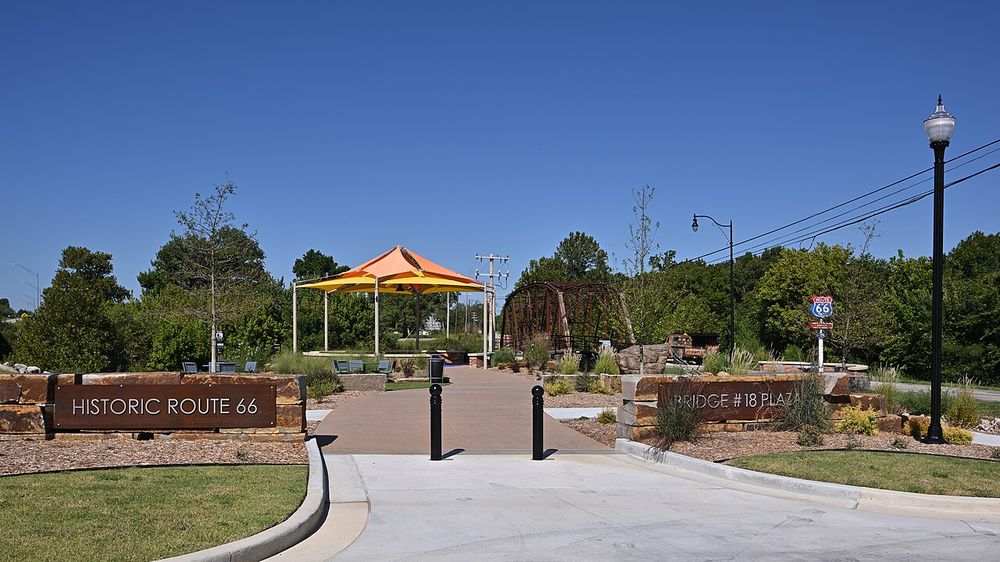 SapulpaBiohazard cleanup in Sapulpa
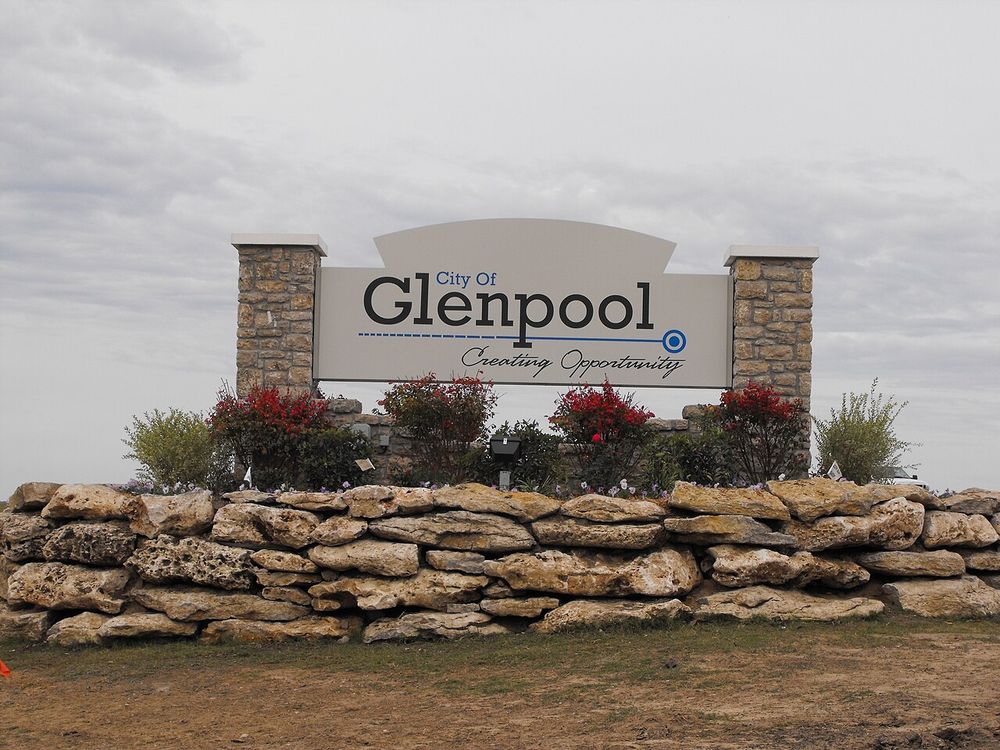 GlenpoolBiohazard cleanup in Glenpool
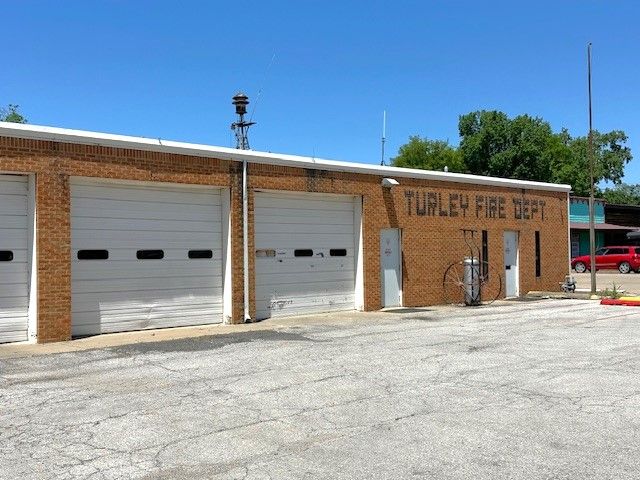 TurleyBiohazard cleanup in Turley
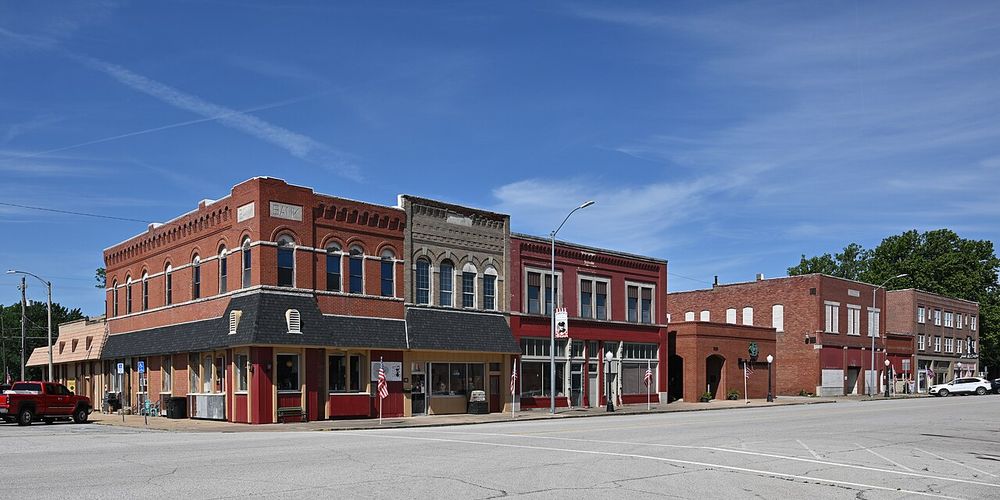 CollinsvilleBiohazard cleanup in Collinsville
 SkiatookBiohazard cleanup in Skiatook
 CatoosaBiohazard cleanup in Catoosa
Frequently Asked Questions
The property owner or controller. Law enforcement agencies, including the Tulsa Police Department, the Broken Arrow Police Department, and the Oklahoma State Bureau of Investigation, collect evidence but do not clean biological material from the property. Once the scene is released, the property owner must arrange for professional remediation.
Biohazard Cleanup Oklahoma
We answer 24 hours a day.
When you are ready, one call starts the process. A dispatcher assesses your situation and sends a crew.