Hoarding Cleanup
The house has not been cleaned in years. Paths between rooms have narrowed to single-file corridors through stacked newspapers, clothing, and containers of things that once seemed important. Somewhere beneath the accumulation, the floor is damaged. There are droppings in the kitchen. The smell has been building for months.
No one chose this. Hoarding disorder is a recognized condition in the Diagnostic and Statistical Manual of Mental Disorders, and the person living in that house needs help that goes beyond someone showing up with a dumpster.

When Hoarding Becomes a Biohazard
Not every cluttered home is a biohazard. The distinction matters because it determines what kind of cleanup is required. A hoarding situation crosses into biohazard territory when any of the following are present:
Human waste. When bathrooms become inaccessible or plumbing fails, waste accumulates in containers, bags, or directly on floors. Fecal matter carries E. coli, Clostridium difficile, and other enteric pathogens that remain infectious on surfaces for weeks.
Animal waste. Homes with animal hoarding, sometimes dozens of cats, dogs, or birds living in unmanaged conditions, produce layers of urine and feces that saturate flooring and generate ammonia levels high enough to cause respiratory damage.
Rodent and insect infestation. Mice and rats produce droppings that carry hantavirus. Cockroach waste and shed exoskeletons trigger severe allergic responses and asthma.
Mold growth. Moisture trapped beneath piles of material produces mold colonies on drywall, wood framing, and personal belongings. Certain species produce mycotoxins that cause respiratory illness.
Decomposition. In severe cases, deceased animals, or, tragically, undetected human remains, are found beneath accumulated material.
When any of these conditions exist, the property requires biohazard remediation, not just junk removal.

How Hoarding Cleanup Works
Assessment and Planning With the Family
We begin with a conversation, not a crew showing up with equipment. Hoarding cleanup that starts without the occupant’s input creates trauma and frequently triggers relapse. The individual living in the home, or their family members, guide us on what matters to them.
The assessment covers structural condition, utility status, infestation severity, mold presence, and the likely volume of material. This determines crew size, equipment, and timeline.
Biohazard Remediation First
Before any belongings are sorted, biohazardous material must be addressed. Human and animal waste is removed and disposed of as regulated medical waste. Rodent droppings are treated according to Centers for Disease Control and Prevention hantavirus prevention guidelines, wet-down with disinfectant before removal, never dry-swept, which aerosolizes viral particles.
Mold-affected building materials are removed under containment. HEPA air scrubbers run continuously during this phase.
Sorting, Keep, Donate, Dispose
We work alongside the occupant or their designated family member to sort belongings into three categories. Nothing is discarded without authorization. Personal documents, photographs, financial records, and sentimental items are identified and set aside.
Deep Cleaning and Structural Assessment
Once the space is cleared, every surface is deep-cleaned. EPA-registered disinfectants are applied to surfaces that came into contact with biological material. Structural damage, rotted subflooring, water-damaged drywall, compromised load-bearing members, is documented. We coordinate with contractors for repair work.
Working With Mental Health Professionals
Hoarding disorder has a relapse rate that increases significantly when cleanup is performed without therapeutic support. We coordinate with therapists, social workers, and Adult Protective Services caseworkers throughout the process.
The Oklahoma Department of Mental Health and Substance Abuse Services maintains a directory of behavioral health providers throughout the state, including specialists in hoarding disorder and obsessive-compulsive spectrum conditions.


Oklahoma Code Enforcement and Hoarding
In Tulsa, Broken Arrow, Owasso, Jenks, Bixby, and surrounding municipalities, hoarding conditions that create fire hazards, structural risks, or health code violations can trigger code enforcement action. The Tulsa Fire Marshal’s office conducts inspections when reports indicate blocked egress paths, and the Tulsa Health Department investigates conditions involving rodent infestation, standing sewage, or mold.
Code enforcement cases in Oklahoma can escalate to condemnation if hazards are not addressed within the compliance timeline. Proactive remediation before enforcement action avoids fines and preserves the occupant’s ability to remain in the home.
We answer 24 hours a day. One call starts the process, and a dispatcher sends a crew.
(918) 478-8596Hoarding Cleanup Areas We Serve
Our crews arrive in unmarked vehicles, hoarding situations carry enough stigma without a branded truck parked in the driveway.
This service is available in every city below. Choose your city for local response details, community resources, and services in your area.
 TulsaBiohazard cleanup in Tulsa
 Broken ArrowBiohazard cleanup in Broken Arrow
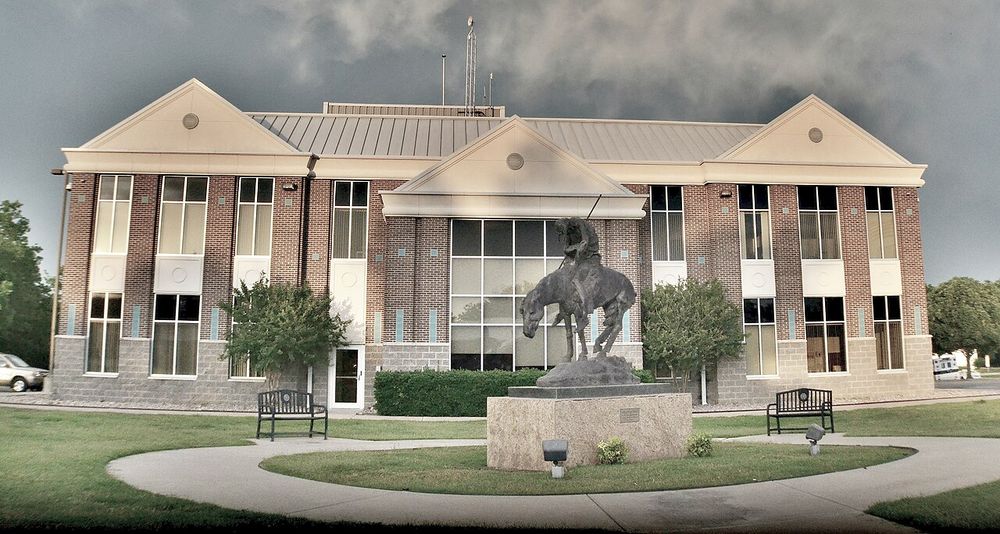 OwassoBiohazard cleanup in Owasso
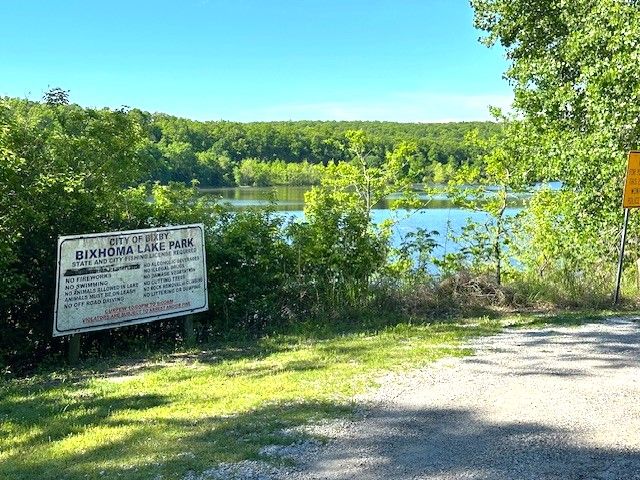 BixbyBiohazard cleanup in Bixby
 JenksBiohazard cleanup in Jenks
 Sand SpringsBiohazard cleanup in Sand Springs
 SapulpaBiohazard cleanup in Sapulpa
 GlenpoolBiohazard cleanup in Glenpool
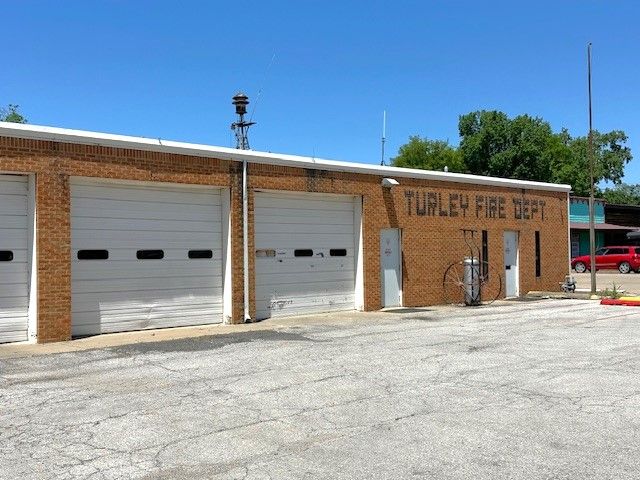 TurleyBiohazard cleanup in Turley
 CollinsvilleBiohazard cleanup in Collinsville
 SkiatookBiohazard cleanup in Skiatook
 CatoosaBiohazard cleanup in Catoosa

Frequently Asked Questions
Cost depends on the property size, the volume of accumulated material, the presence of biohazardous conditions, and the extent of structural damage. Single-room situations without biohazard involvement fall on the lower end. Whole-home hoarding with animal waste, mold, and structural repairs falls on the higher end. Call (918) 478-8596 for a walkthrough, we provide a detailed written estimate based on your specific situation.
Biohazard Cleanup Oklahoma
We answer 24 hours a day.
When you are ready, one call starts the process. A dispatcher assesses your situation and sends a crew.