Biohazard Odor Removal
You have cleaned every visible surface. You have run the air conditioning. You bought an ozone machine from a hardware store. And the smell is still there, fainter some mornings, overwhelming on warm afternoons, worst in the room where it happened.
That odor is not lingering. It is actively being produced by biological material you cannot see, trapped in building materials you cannot reach with surface cleaning.
Why the Smell Will Not Go Away on Its Own
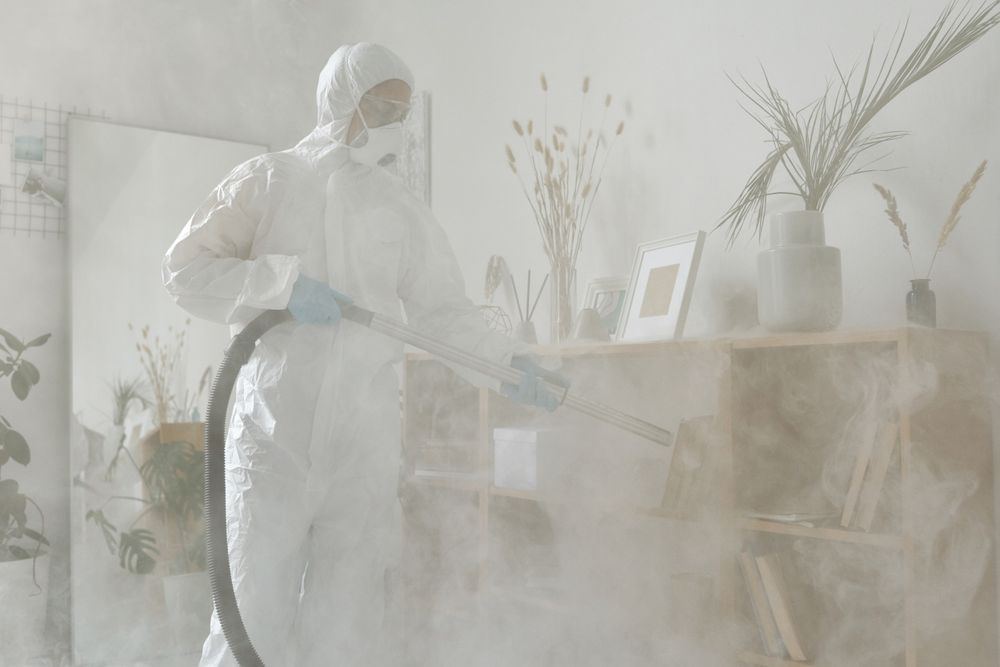
Biohazard odors are produced by volatile organic compounds, gases released as organic material breaks down at the molecular level.
Decomposition odor comes from two specific chemical compounds: putrescine (1,4-diaminobutane) and cadaverine (1,5-diaminopentane), both produced as amino acids in biological tissue degrade. These compounds are detectable by the human nose at concentrations measured in parts per billion.
These compounds do not evaporate over time. They do not break down at room temperature. They absorb into porous materials, drywall paper facing, wood grain, carpet fibers, insulation, concrete pores, and continue releasing gas molecules into the air for months or years.
Air fresheners, scented candles, and fragrance sprays add competing molecules to the air. They do not address the source.
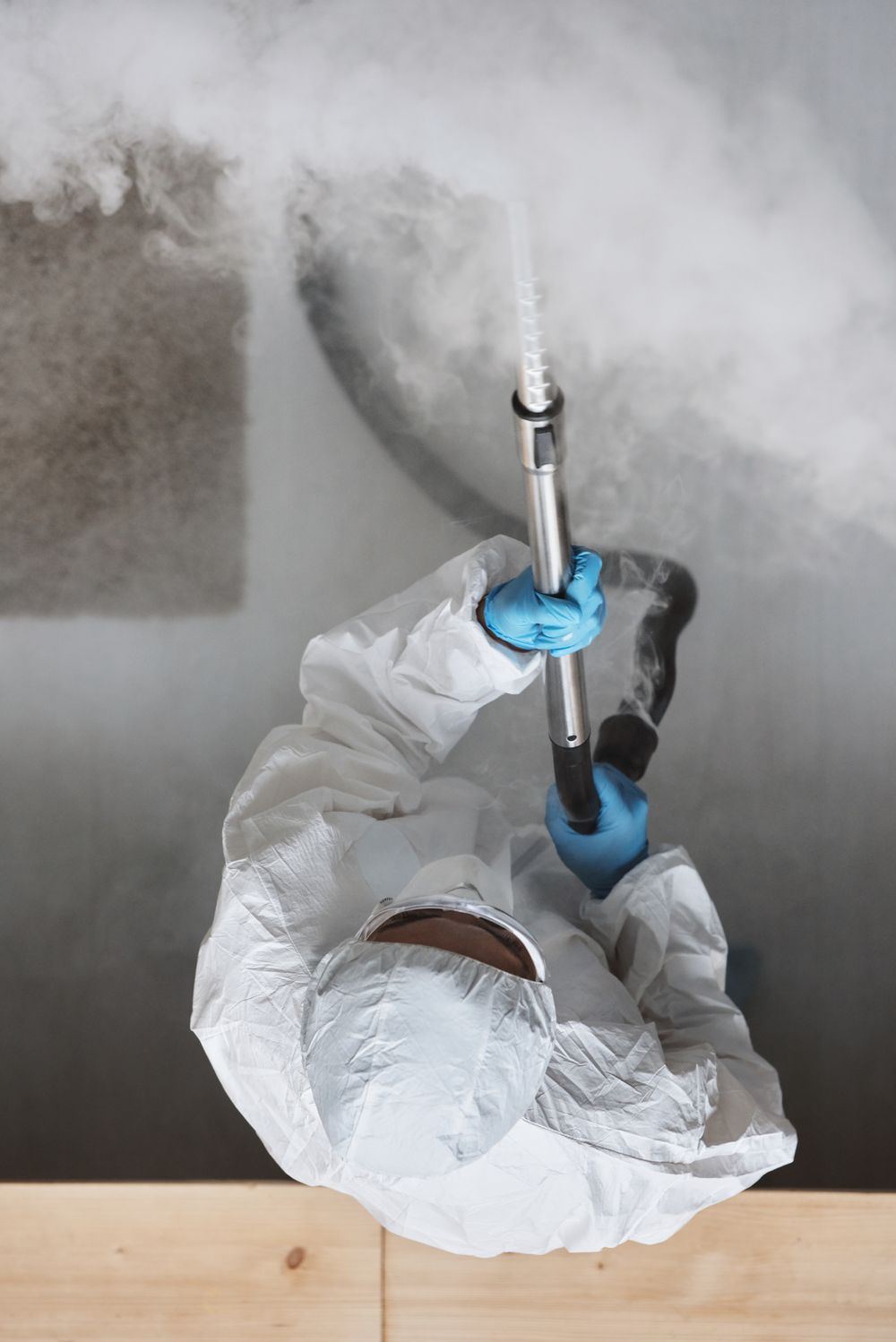
Types of Biohazard Odors We Eliminate
Death and decomposition odor, an unattended death was cleaned but the odor remains. This almost always means biological material was left behind in subflooring, wall cavities, or ventilation systems.
Blood and bodily fluid odor, dried blood produces a distinct metallic, iron-rich odor as hemoglobin breaks down. Residue trapped in grout lines, wood grain, or concrete pores continues producing odor even after visible cleaning.
Animal waste and urine odor, pet urine contains uric acid that crystallizes as it dries and reactivates when exposed to humidity. This is why pet odor returns on humid Oklahoma afternoons. Enzymatic cleaners that break down uric acid at the molecular level are the only permanent solution. If urine has reached the subfloor, the affected section must be replaced. See our dedicated pet odor removal page.
Methamphetamine and chemical odor, properties used for meth production or heavy use retain chemical residue that produces a distinctive acrid, solvent-like odor. Source removal required before air treatment.
How We Eliminate Odors Permanently
Source Identification and Removal
The first step is always finding what is producing the odor. We conduct systematic inspection, removing baseboards to check behind walls, lifting flooring to inspect subflooring condition, checking HVAC return vents and ductwork. When source material is found, it is physically removed.
Hydroxyl Generator Treatment
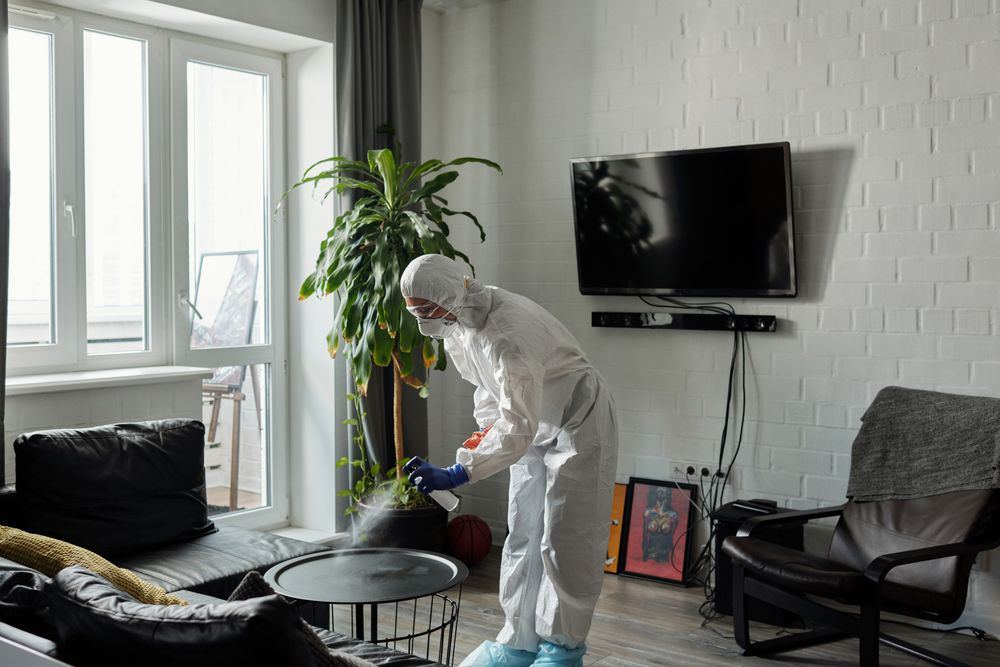
Commercial-grade hydroxyl generators produce hydroxyl radicals that react with volatile organic compounds, breaking them into carbon dioxide and water vapor. Unlike ozone generators, hydroxyl technology operates safely in occupied spaces. Treatment runs continuously for 24 to 72 hours depending on severity.
Thermal Fogging
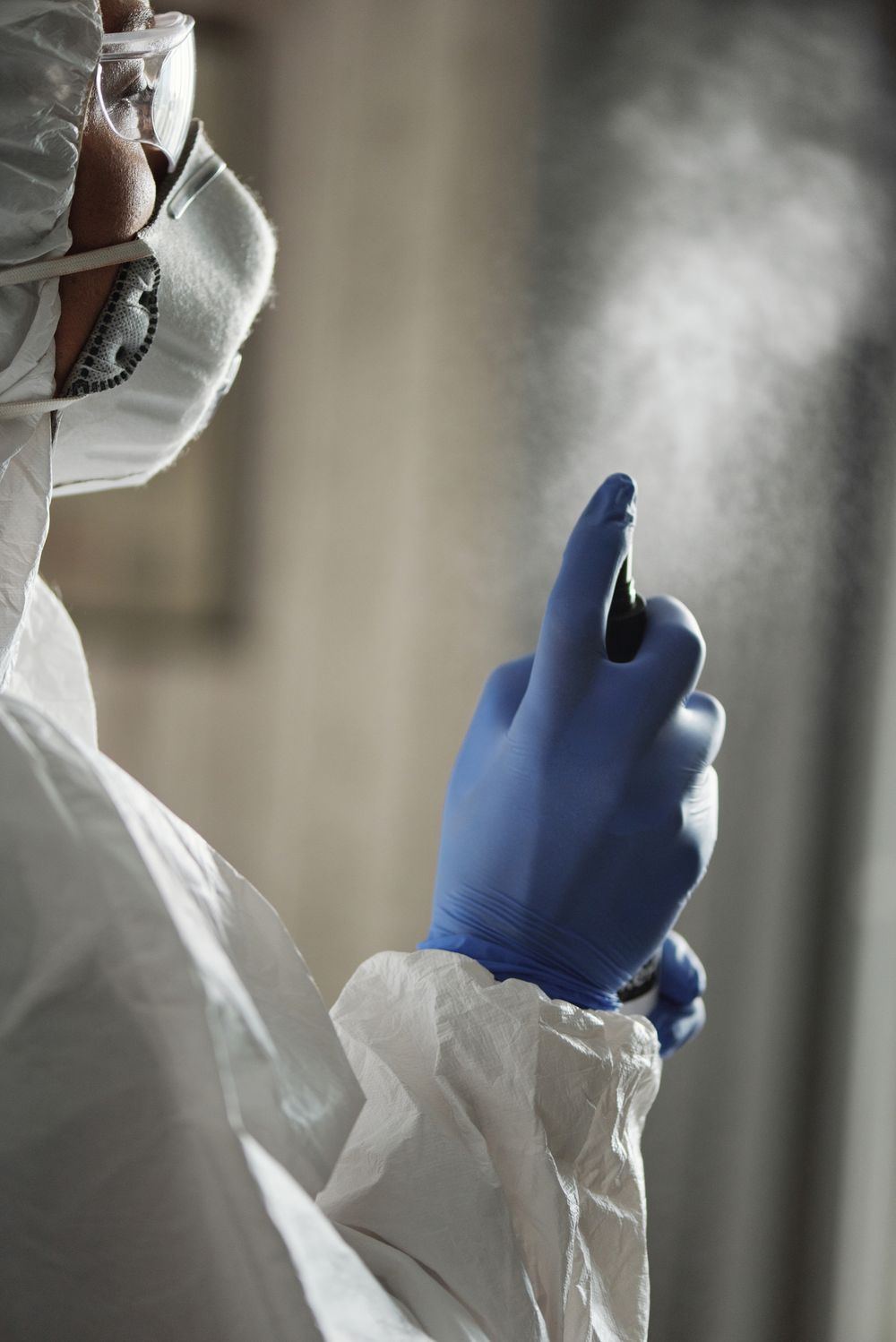
Thermal fogging disperses odor-neutralizing agents as a heated fog that penetrates porous materials. The fogging agent bonds with odor molecules and neutralizes them chemically. This is not a masking agent, it breaks the molecular structure of the compound producing the smell.
Post-Treatment Verification
Human olfactory testing by trained technicians, the most sensitive detection method for decomposition compounds, confirms whether any residual odor remains. If odor persists, source material remains and additional removal is performed.

Odor Removal Areas We Serve
Oklahoma’s climate, hot summers with high humidity, accelerates biological decomposition and intensifies odor production. Properties in the Tulsa area that go unaddressed during summer months require more extensive remediation than the same situation in cooler months.
This service is available in every city below. Choose your city for local response details, community resources, and services in your area.
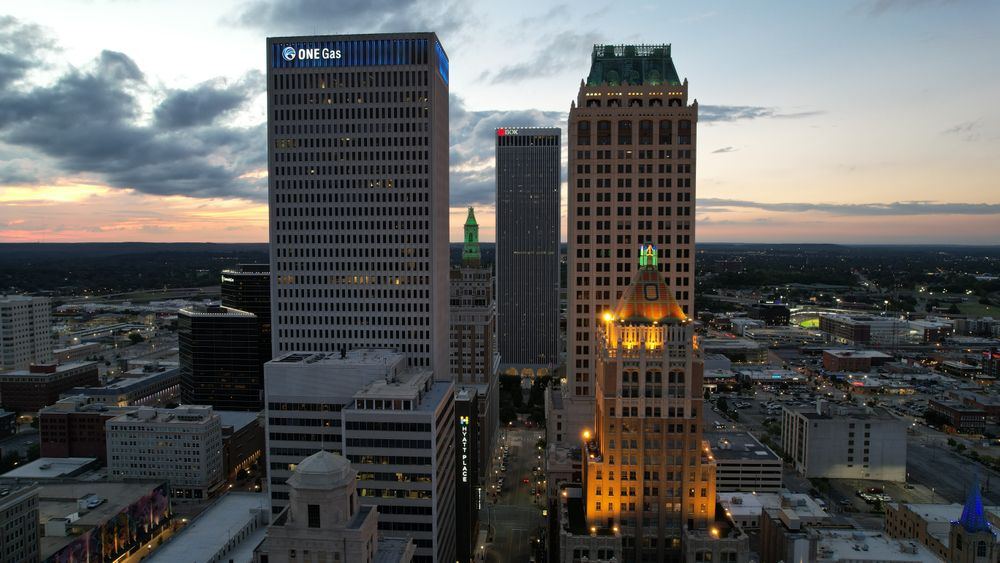 TulsaBiohazard cleanup in Tulsa
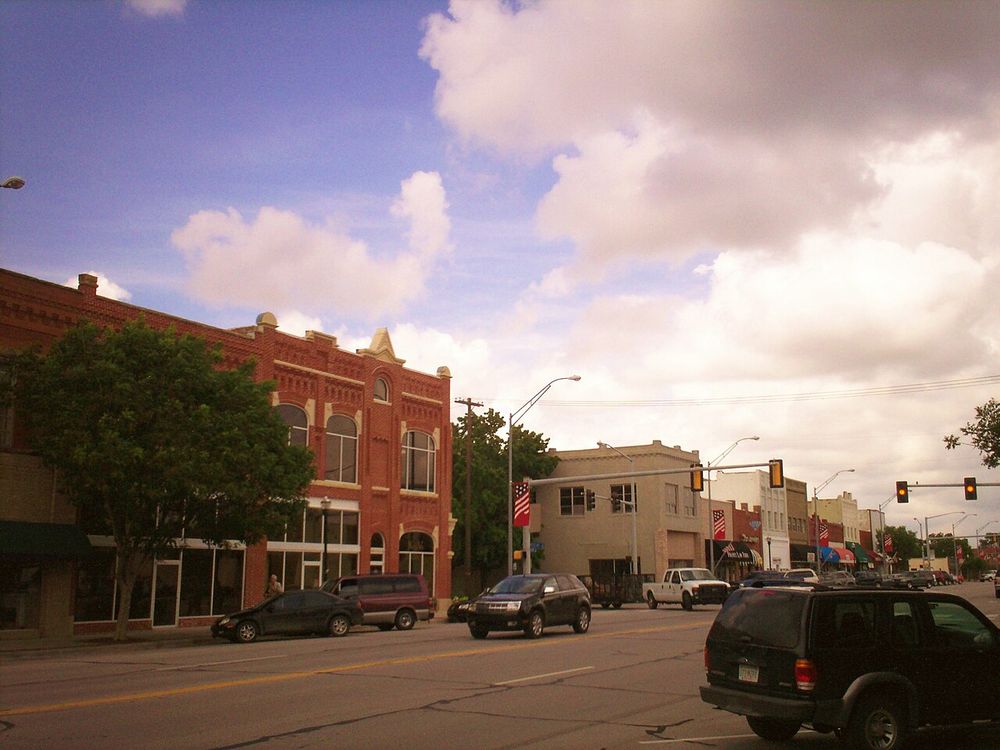 Broken ArrowBiohazard cleanup in Broken Arrow
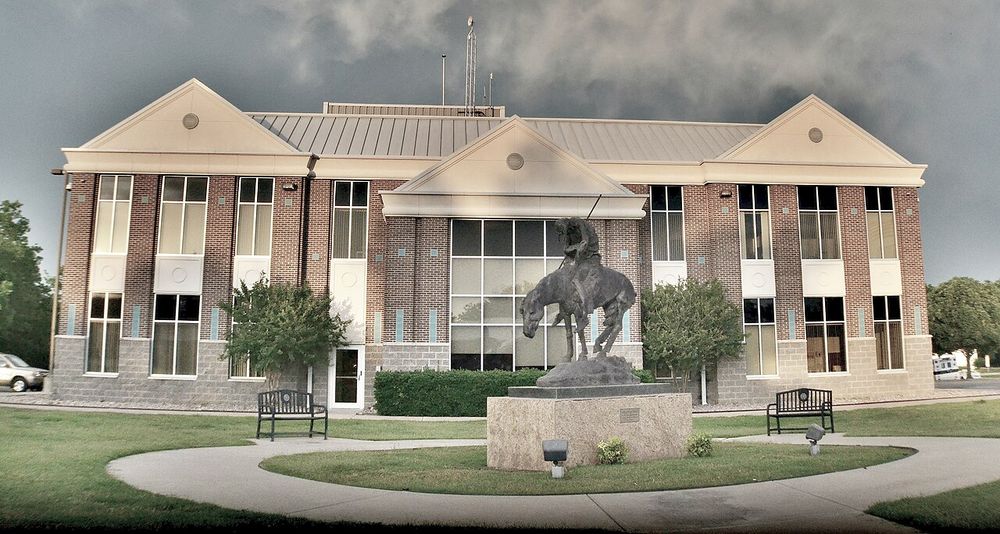 OwassoBiohazard cleanup in Owasso
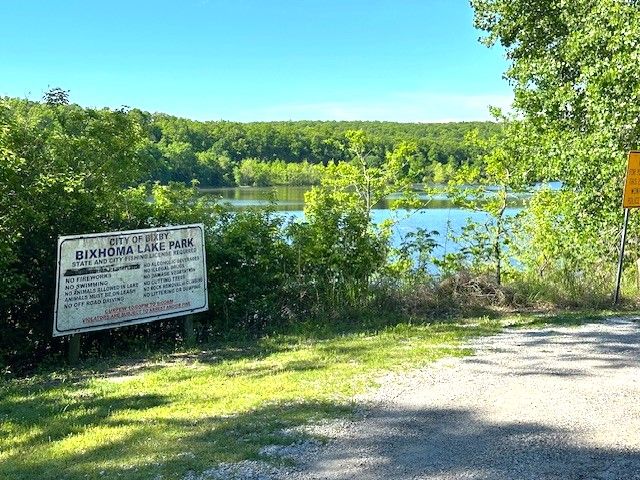 BixbyBiohazard cleanup in Bixby
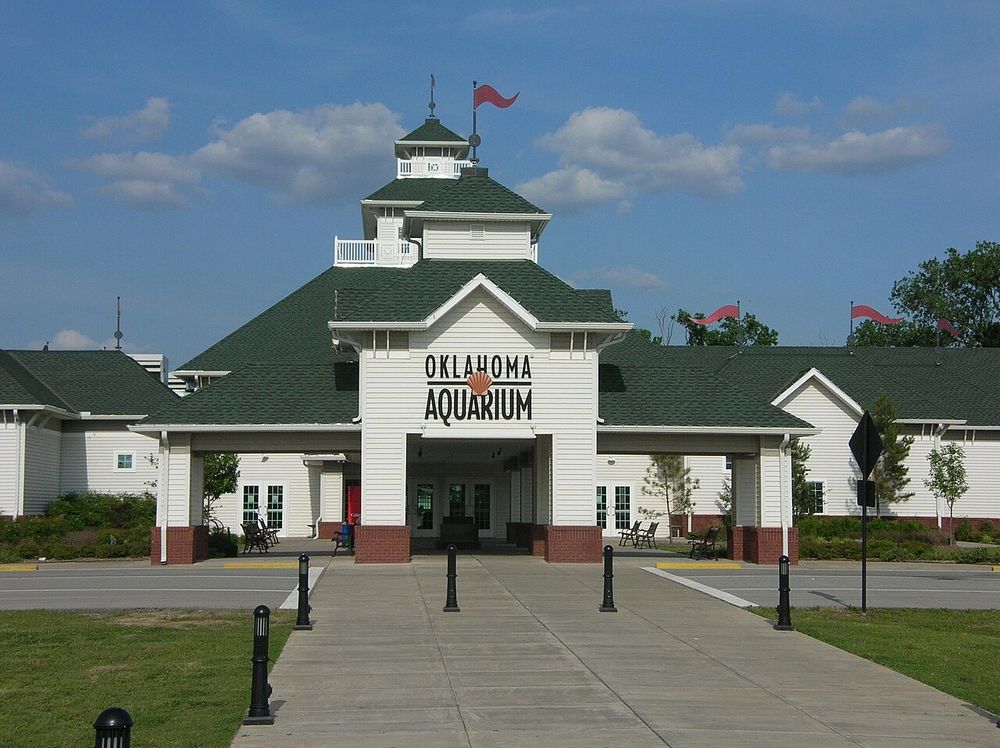 JenksBiohazard cleanup in Jenks
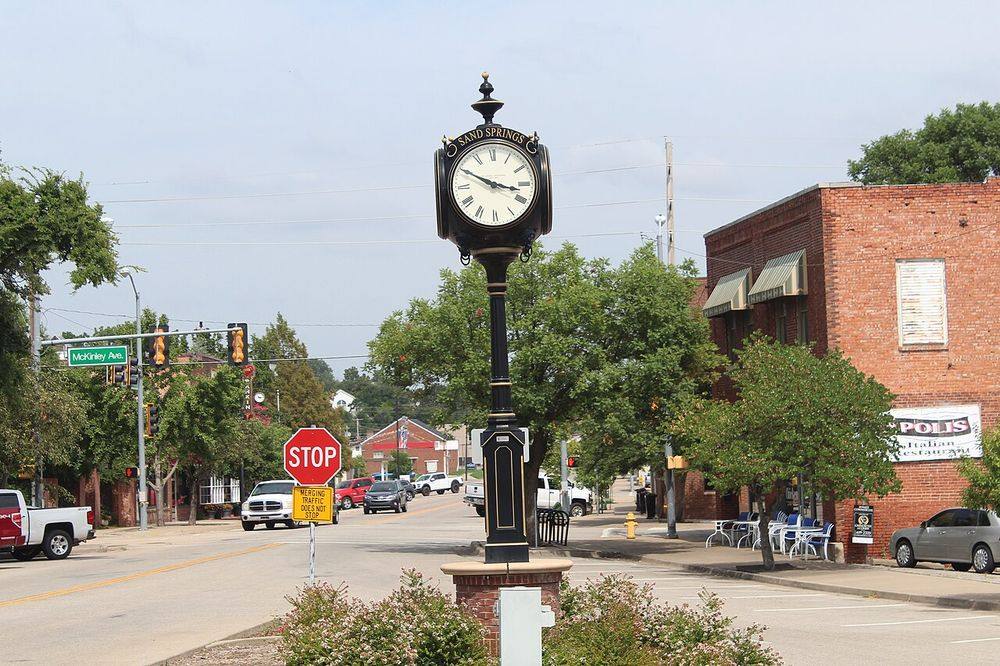 Sand SpringsBiohazard cleanup in Sand Springs
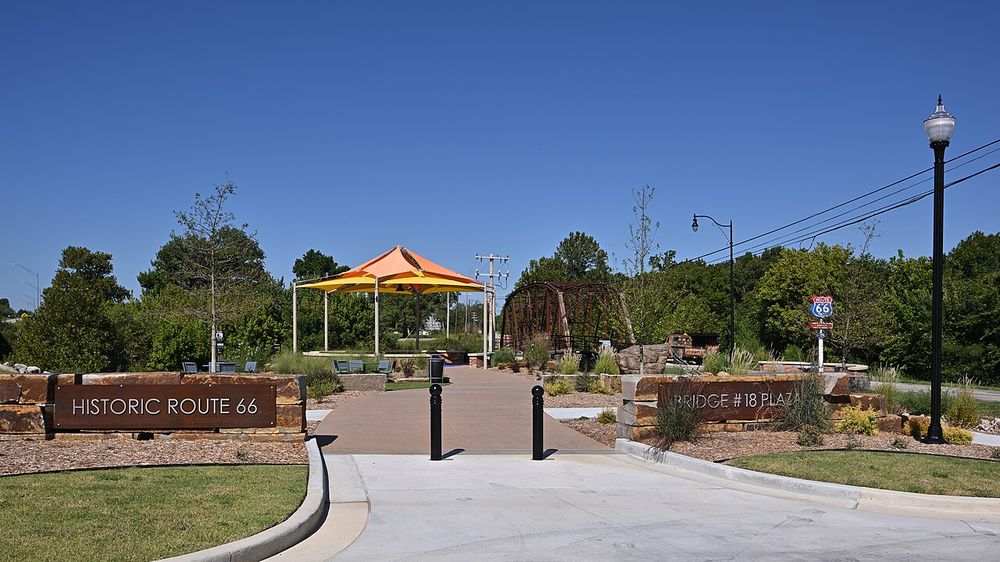 SapulpaBiohazard cleanup in Sapulpa
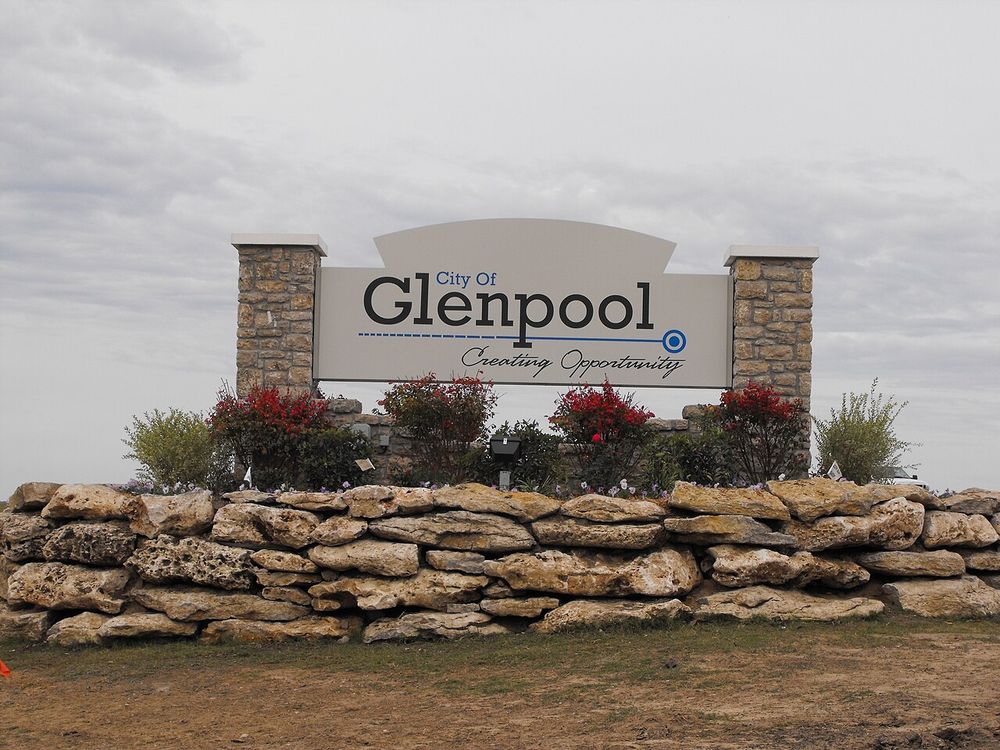 GlenpoolBiohazard cleanup in Glenpool
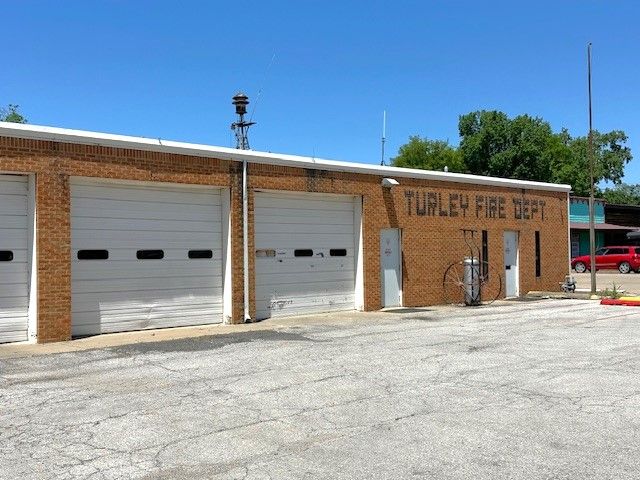 TurleyBiohazard cleanup in Turley
 CollinsvilleBiohazard cleanup in Collinsville
 SkiatookBiohazard cleanup in Skiatook
 CatoosaBiohazard cleanup in Catoosa
Frequently Asked Questions
Consumer-grade ozone generators produce ozone at concentrations too low to neutralize decomposition compounds in building materials. They may temporarily reduce airborne odor but do not address source material trapped in subflooring, wall cavities, or insulation.
Biohazard Cleanup Oklahoma
We answer 24 hours a day.
When you are ready, one call starts the process. A dispatcher assesses your situation and sends a crew.