From the Blog
Bodily Fluid Cleanup Kits: What's Inside and When They're Not Enough
A bodily fluid cleanup kit holds disposable gloves, a face mask or shield, an absorbent powder that turns liquid into gel, a scoop and scraper, disinfectant wipes, paper towels, and a red biohazard bag with a tie. It is built for small spills of blood, vomit or urine on hard surfaces. Larger spills, soaked carpet or anything involving serious injury need commercial biohazard cleanup.
Schools, gyms, restaurants, stores, offices and property managers in the Tulsa area keep these kits on hand for a reason. Spills happen without warning, and the people cleaning them need protection. This guide explains what belongs in a kit, how to use one correctly, and where a kit stops being the right tool.
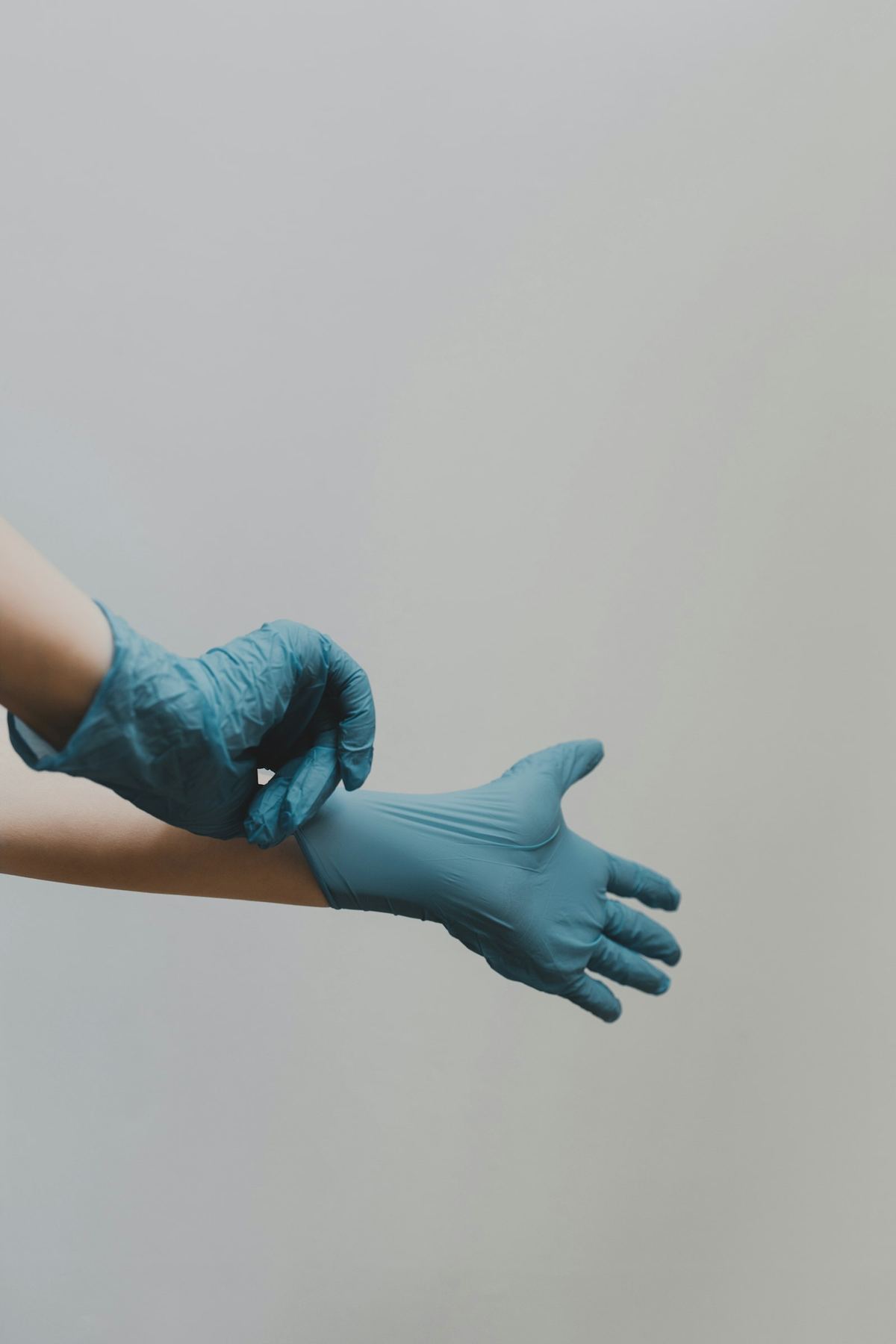
What's Inside a Bodily Fluid Cleanup Kit
A complete kit should include:
- Disposable nitrile gloves (two pairs, so you can double-glove)
- Face mask and eye protection, or a full face shield
- Disposable gown or apron
- Shoe covers
- Absorbent powder or solidifier
- Scoop and scraper
- Disposable paper towels
- EPA-registered disinfectant spray or wipes
- Red biohazard bag with tie
- Antiseptic hand wipes
- Instruction card
Check kits every few months. Disinfectant and powder can dry out, and missing gloves make the whole kit useless.
How to Use a Bodily Fluid Spill Kit Step by Step
- Keep people away. Block off the area so nobody walks through the spill.
- Put on protection. Gloves first, then gown, mask and eye protection.
- Cover the spill with absorbent powder. Wait until the liquid turns to gel, usually a minute or two.
- Scoop it up. Work from the outside of the spill toward the center so it doesn't spread.
- Bag the waste. Place the gel, scoop and scraper in the red biohazard bag.
- Disinfect the surface. Spray the area and leave the disinfectant wet for the full contact time printed on the label.
- Wipe and dry with disposable paper towels, then bag them too.
- Remove protective gear carefully, gloves last, and place everything in the bag.
- Seal the bag and dispose of it according to your facility's biohazard waste plan.
- Wash your hands with soap and water, even though you wore gloves.
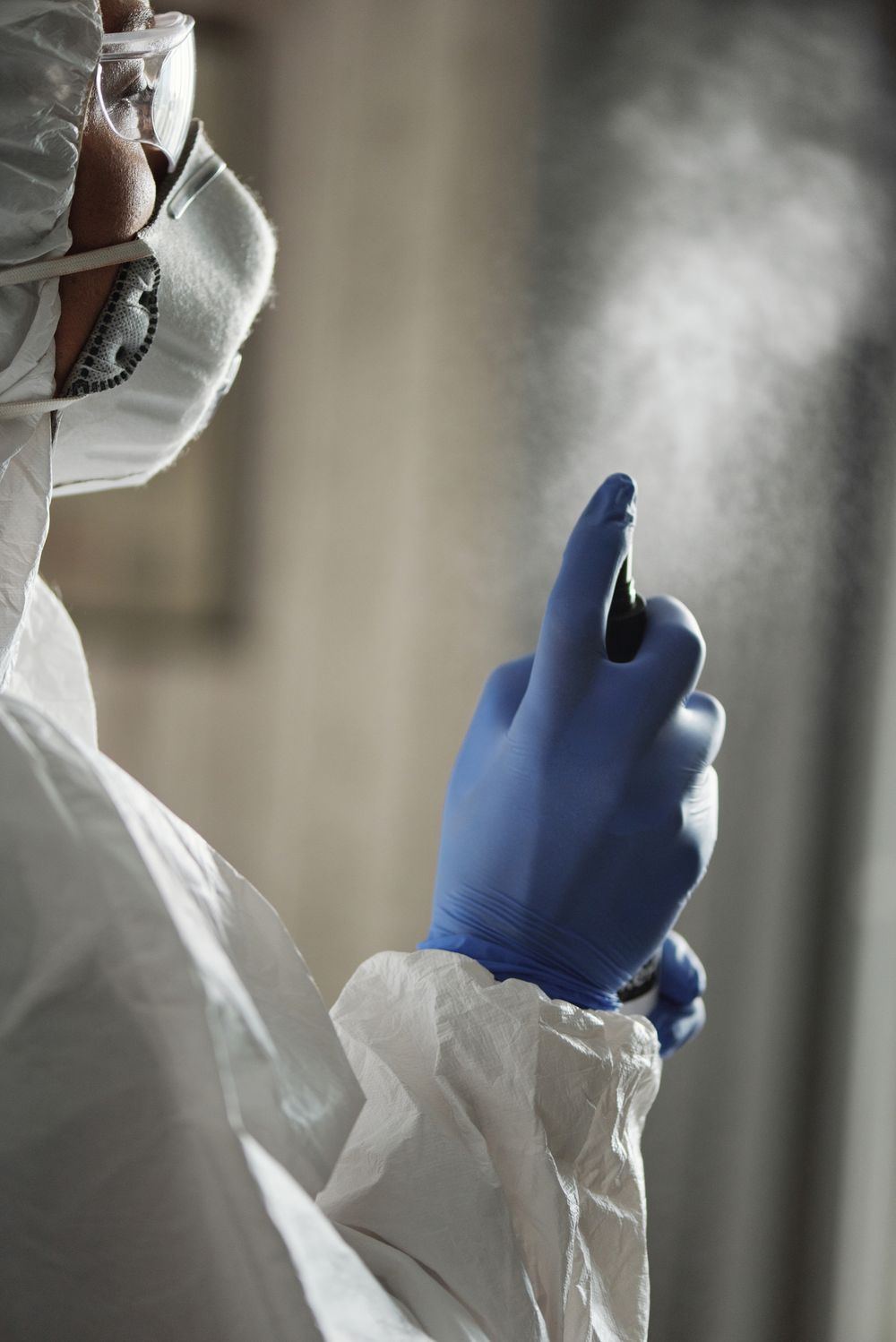
Should You Use Cloth Towels to Clean Up Blood?
No. When cleaning up blood or other bodily fluids, use disposable paper towels or absorbent, never reusable cloth towels. Cloth can hold pathogens such as hepatitis B, which the CDC says can survive in dried blood for at least seven days, spread contamination to the next surface it touches, and end up in a laundry load with other items. Everything that touches the spill should go into the biohazard bag.
Spill Too Big for a Kit? Call (918) 478-8596. Our Crew Is Dispatched Immediately.
Which Businesses Need a Bodily Fluid Cleanup Kit?
Under OSHA's bloodborne pathogens standard (29 CFR 1910.1030), employers whose workers can reasonably be expected to contact blood or other potentially infectious materials must have an exposure control plan, provide protective equipment, train staff, and offer the hepatitis B vaccine. A stocked spill kit is a practical part of meeting those duties.
Businesses that commonly keep kits include:
- Schools and daycares
- Gyms and sports facilities
- Restaurants, bars and food service
- Retail stores and grocery stores
- Hotels and apartment complexes
- Offices and warehouses
- Churches and event venues
- Buses, taxis and fleet vehicles
When a Spill Kit Isn't Enough
| Situation | Use a kit? | Call a professional? |
|---|---|---|
| Small amount of blood on tile or a counter | Yes | Not usually |
| Vomit or urine on a hard floor | Yes | Not usually |
| Blood or fluids soaked into carpet or upholstery | No | Yes |
| Large amount of blood after an injury, assault or accident | No | Yes |
| Fluids that ran under flooring, baseboards or into walls | No | Yes |
| A death on the premises | No | Yes |
| Human waste from a sewage backup or vandalism | No | Yes |
| Staff without bloodborne pathogens training | No | Yes |
When fluids soak into porous materials, surface cleaning can't reach them. That is when trained technicians remove the affected materials, disinfect what remains and dispose of waste properly. Learn more about blood and bodily fluid cleanup, or about human waste and sewage cleanup for waste-related incidents.
Choosing the Right Kit for Your Business
- Single-use kits suit offices, classrooms and vehicles.
- Larger response kits with extra absorbent and a full gown suit gyms, restaurants and warehouses.
- Wall-mounted stations keep supplies visible and easy to grab in busy public spaces.
Whichever you choose, store kits where staff can reach them within a minute, and train at least one person per shift to use them.
Commercial Biohazard Cleanup in the Tulsa Area
For spills a kit can't handle, our crew serves businesses in Tulsa, Broken Arrow, Owasso, Bixby, Jenks, Catoosa and nearby cities. We clean, disinfect and document the work so you can reopen with confidence. If an assault or serious injury happened on your premises, read who cleans up a crime scene in Oklahoma.
Frequently Asked Questions
Yes. Disinfectants and some absorbents have expiration dates. Check each kit every three to six months and replace used or expired items.
A spill your staff can't safely handle? Don't risk exposure or a missed spot. Our crew is dispatched immediately to Tulsa-area businesses to clean, disinfect and remove biohazard waste so you can reopen quickly.
Call (918) 478-8596 for Commercial Biohazard Cleanup
Blog
More From the Blog
 How Long Does It Take a Dead Body to Smell (and What It Smells Like)?Odor usually starts within 24 to 72 hours and spreads faster in heat. See the timeline, what causes the smell and why it stays in a home.
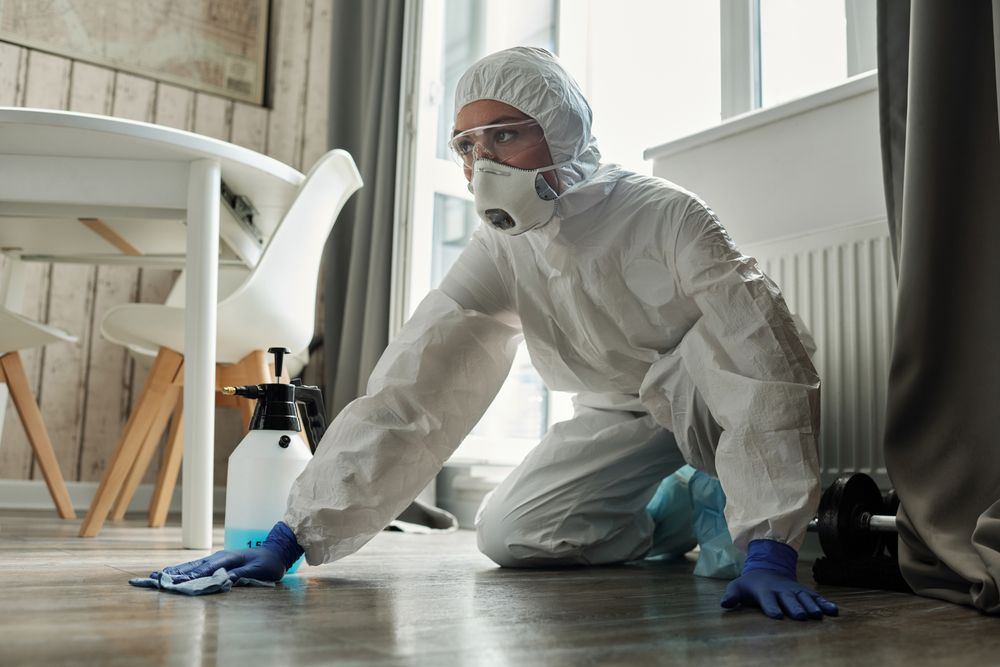 Decomposition Stains: Can Floors, Subfloors and Mattresses Be Saved?Decomposition fluids soak through carpet, pad and subfloor. Learn what can be cleaned, what must be removed, and why mold can follow.
 How to Test a House for Meth in Oklahoma: Test Kits vs Professional TestingHome meth test kits give a quick yes or no. Lab testing gives the number Oklahoma's disclosure rule depends on. Here's how each works.
 How Much Does Biohazard Cleanup Cost in Oklahoma?Biohazard cleanup cost guide for Oklahoma. Industry average pricing by service type. Crime scene, unattended death, hoarding & meth. Call (918) 478-8596.
 Who Picks Up Dead Bodies From Homes?Who picks up dead bodies from homes in Oklahoma? Step-by-step process from 911 call to medical examiner to cleanup. What families need to know.
Biohazard Cleanup Oklahoma
We answer 24 hours a day.
When you are ready, one call starts the process. A dispatcher assesses your situation and sends a crew.